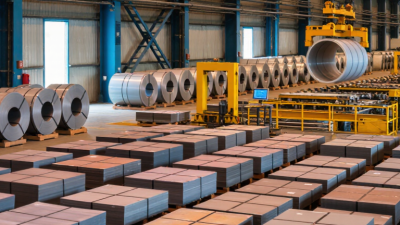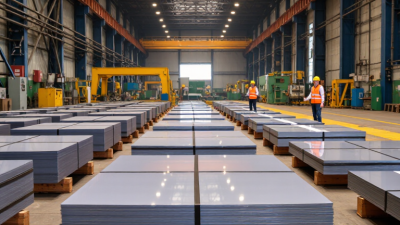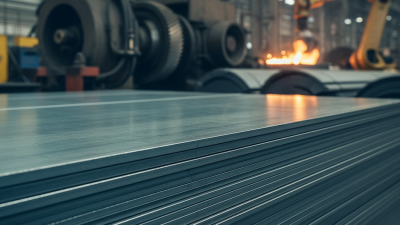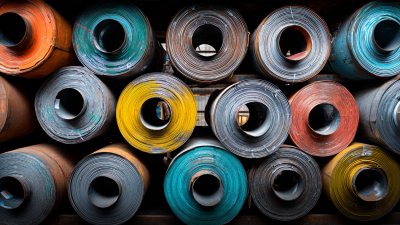
Choosing the right Hr Steel Sheet starts with the job it must perform. A panel for a welded frame has different needs from a formed bracket or a machine guard. Thickness, grade, width, flatness, and surface condition all matter. So does the route from the mill to the workshop. A sheet that looks smooth under warehouse lights may still show scale, edge variation, or handling marks.
Metallurgist John D. Verhoeven’s published work emphasizes how composition and processing shape steel’s properties. A practical paraphrase of that principle is: “Judge steel by its grade and processing, not appearance alone.” Use it as a reminder, not a substitute for a specification. Check the grade against the drawing, confirm thickness and tolerances, and ask whether hot-rolled, pickled-and-oiled, or another finish suits the next operation. For forming, review bend requirements and sample behavior. For welding, confirm the grade and thickness fit the procedure. Request traceable mill documentation when consistency matters.
Details count. A few tenths of a millimeter can affect fit-up. Rust on a stored edge may signal poor protection, though it does not tell the whole story. This guide compares key selection factors and shows what to verify with a supplier. It also leaves room for judgment: production conditions vary, and a neat checklist cannot predict every shop-floor surprise. That part deserves a second look.
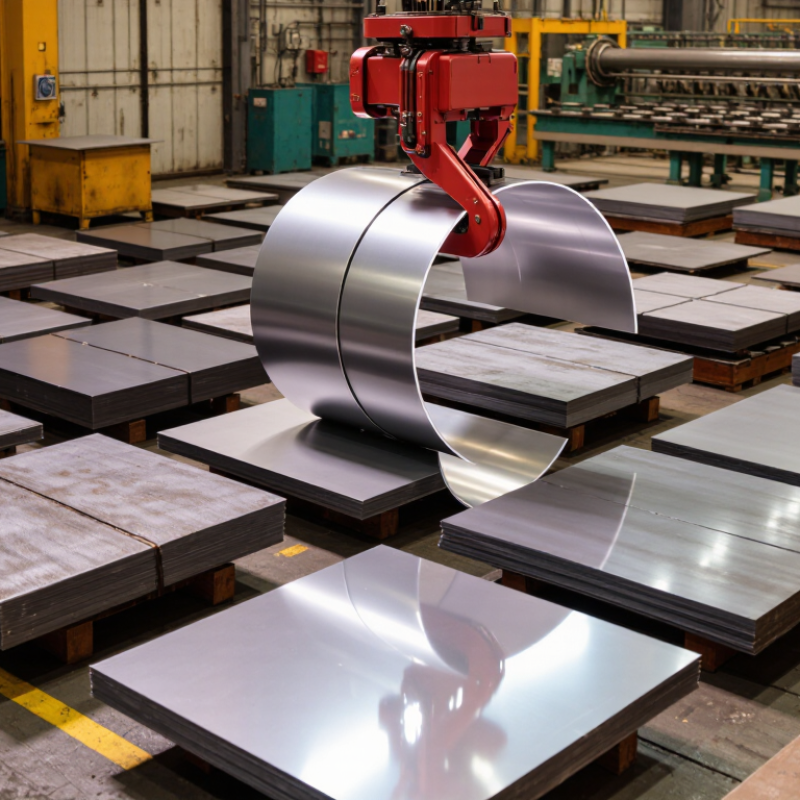
Before comparing grades, confirm that the material is hot-rolled sheet covered by ASTM A1011/A1011M. “HR” commonly means hot rolled, but an abbreviation on a quote is not proof of the governing specification. Check the purchase description, product form, and standard edition. The standard covers several types of hot-rolled sheet and strip, so the grade name alone may not identify the full requirement.
Check the paperwork. A mill test report should connect the heat or coil number to the material supplied and state the applicable specification and grade. Compare the ordered thickness and width with the report and dimensional requirements. Also verify whether values are stated in inch-pound or metric units; mixing systems can create avoidable ordering errors. If the documents say only “A1011,” ask which grade and required condition apply before approving the order.
A grade comparison is useful only after the product identity is clear. For example, a shop cutting a flat blank needs reliable thickness and formability information, while a structural application may prioritize specified strength. Surface appearance can also vary with hot-rolled processing, so inspect the actual finish if it affects fabrication. Paperwork helps, but it cannot show every coil’s condition. That distinction is easy to overlook.
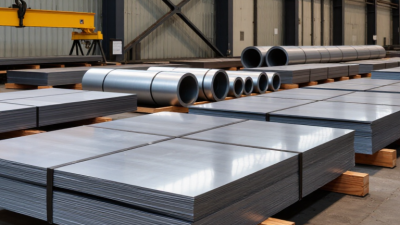
When choosing hot-rolled steel, treat 6 mm as a common naming boundary, not a universal rule. In many supply settings, material up to 6 mm is called sheet, while thicker stock is called plate. However, terminology can vary by supplier and specification. That matters when comparing quotations. Confirm the stated thickness, tolerance, grade, and applicable product standard before ordering.
Choose thickness for the job, not the label. A 6 mm panel may suit a bracket or cover, but a loaded support may need engineering checks for bending, span, and connection details. Thicker steel adds weight and can make cutting or forming harder. Hot-rolled surfaces may also carry scale, so consider the finish required before fabrication. Shop terms can be messy; I would verify the actual dimensions rather than assume “sheet” means one precise thickness.
Tips: Ask whether 6 mm is included in the supplier’s sheet or plate range. Check a cut edge with a suitable gauge, and compare it with the order documents. For safety-critical parts, have a qualified engineer confirm the design.
Choosing the right hot-rolled steel sheet starts with the strength your part actually needs. ASTM International’s A1011/A1011M specification sets Grade 36’s minimum yield strength at 36 ksi, or about 250 MPa. Yield strength marks the stress at which steel begins to deform permanently. That is a floor, not a promise that every coil will test at exactly 250 MPa. Check the mill test certificate for the heat-specific results.
For a bracket or formed panel, Grade 36 can offer a useful balance of strength and workability. But gauge, bend radius, and forming direction matter too. A 2 mm sheet bent around a tight corner may behave differently from a thicker panel, even when both carry the same grade designation. Compare the certified properties with the design load, and confirm applicable thickness and dimensional tolerances. The grade alone does not answer every shop-floor question.
Tips: Match the certificate to the coil tag before cutting. Check yield strength and thickness together. If a bend cracks, pause and review the tooling and bend radius; the grade may not be the only cause.
Compare minimum yield strength across selected ASTM A1011 Structural Steel grades. Grade 36 requires a minimum yield strength of 250 MPa (36 ksi).
Higher yield strength means greater resistance to permanent deformation. Confirm the applicable ASTM A1011 edition, grade, thickness, and product requirements when selecting material.
When choosing hot-rolled steel sheet, check the order against ASTM A568/A568M and the applicable product specification. Confirm nominal thickness, width, length, and permitted tolerances before comparing supplier quotes. The standard’s dimensional provisions depend on factors such as ordered size and product type, so avoid treating one tolerance as universal. Keep inch-pound and SI measurements consistent.
Surface expectations need equal care. Specify whether the sheet is pickled, oiled, or supplied with mill scale, then describe acceptable rust, pits, roll marks, and edge burrs. ASTM A568/A568M provides general requirements; the purchase order should make the required finish and inspection criteria clear. A calibrated micrometer and checks at several points can reveal thickness variation that one center reading misses. Small differences matter.
The scale of supply makes clear specifications useful: the World Steel Association’s World Steel in Figures 2024 reports global crude steel production of 1,892.2 million tonnes in 2023. That figure covers steel broadly, not HR sheet alone, but it underscores the volume moving through industrial supply chains. A receiving check should record measurements, surface observations, and the coil or sheet identification. Still, visual judgments can vary between inspectors; define borderline defects with photos or agreed samples where appearance affects downstream painting or forming.
How to Choose the Right HR Steel Sheet?
Hot-rolled steel often carries mill scale, a dark oxide layer formed during rolling. It may suit indoor parts that will be painted later, but it is not dependable corrosion protection outdoors.
Pickled and oiled sheet has the scale removed and a temporary oil film, giving a cleaner surface for forming and painting. Not always better. The right choice depends on the next process and the storage conditions.
For deep drawing or tight bends, check surface cleanliness and forming requirements with your processor; trapped scale can mark tooling or the finished part. Welding plans matter too. Oil and coatings may need removal near the joint, and some protective coatings require suitable fume controls. The NACE IMPACT study estimated corrosion costs at US$2.5 trillion globally in 2013, or 3.4% of global GDP. That figure covers many industries, but it shows why exposure and maintenance deserve attention.
Tips: Match protection to the real risk: mill scale for sheltered, short-term use; pickled and oiled for cleaner forming; and a specified coating or post-fabrication paint system for corrosive service. Check edges and cutouts, where protection may be weaker. Ask for the steel specification and confirm coating compatibility before welding. A small trial piece helps. It may still miss a production problem, so review the first finished parts.