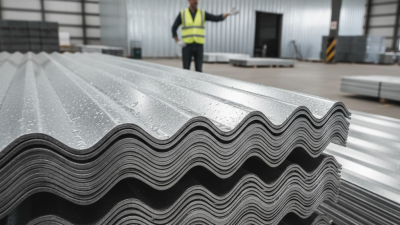
Top 10 Types of HR Steel Sheet for Global Buyers
Choosing the right Hr Steel Sheet requires more than comparing price per ton. Global buyers must match steel grade, thickness, width, surface condition, and forming requirements with the final application. A warehouse panel, a truck frame, and a welded structural beam may need very different material performance.
This guide examines ten common types of HR steel sheet used across construction, manufacturing, transportation, and heavy equipment. It considers commercial quality, structural grades, high-strength low-alloy options, pickled and oiled sheets, weathering steel, and other practical choices. Each type can offer advantages, but none fits every project. Cost matters. So does consistency.
Real purchasing decisions often depend on small details. A mill certificate should confirm chemical composition, yield strength, tensile strength, and elongation. Buyers should also check thickness tolerance, coil weight, edge condition, surface scale, and packaging. Moisture inside export wrapping can create problems before the shipment reaches the factory. That detail is easy to miss.
Reliable sourcing also requires supplier verification, sample testing, and clear inspection terms. Standards may differ between regions, so buyers should confirm the required specification before placing an order. Product names can sound similar while performance differs. That is a common mistake.
The following overview is practical, not absolute. Steel selection sometimes involves compromise. A lower-cost sheet may require more cleaning or processing. A stronger grade may reduce formability. Careful comparison remains essential for safe, efficient, and predictable purchasing.
HR Steel Sheet Classification by Manufacturing Process and Grade
Top 10 Types of HR Steel Sheet for Global Buyers
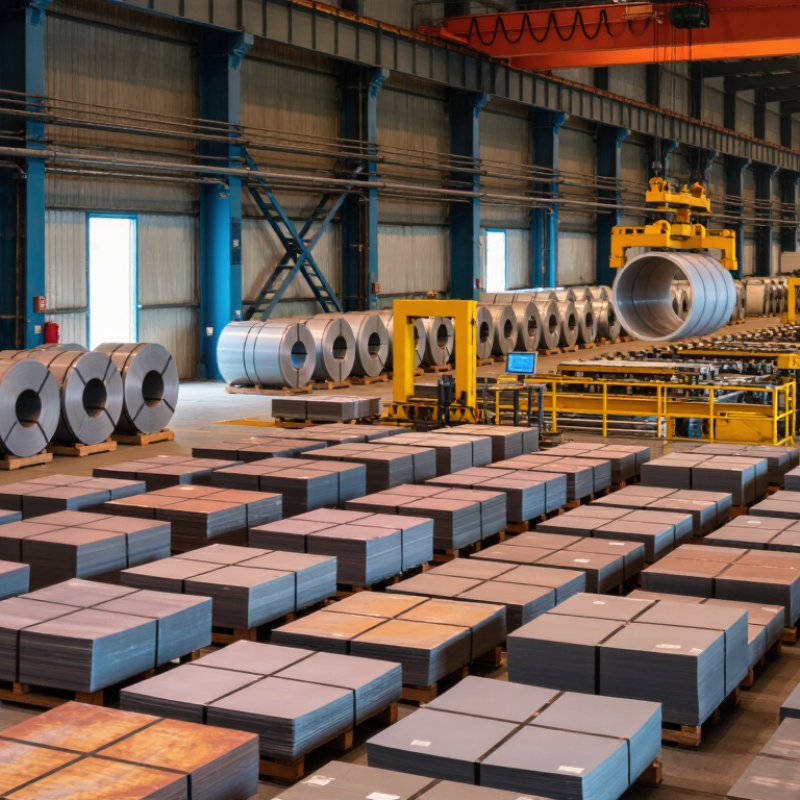
HR steel sheet is classified mainly by its manufacturing process and finished grade. Steel slabs are reheated, rough-rolled, finish-rolled, cooled, and coiled. This route creates a textured surface, wider thickness tolerance, and strong formability for many industrial uses. Some sheets receive pickling and oiling after rolling. That treatment removes scale and improves storage protection. It is practical, but not flawless.
Grades define performance more precisely. Commercial-quality sheet suits brackets, panels, and general fabrication. Drawing-quality grades support deeper forming with fewer surface cracks. Structural grades offer specified yield and tensile strength for frames, platforms, and machinery. High-strength low-alloy grades reduce weight while maintaining load capacity. Weather-resistant grades may suit outdoor structures, depending on exposure and design requirements. Standards differ across markets, so equivalent grade names are not always identical.
Tips: Check the mill certificate, heat number, thickness tolerance, yield strength, tensile strength, and elongation. Confirm whether the sheet is as-rolled or pickled and oiled. Ask for sample testing when forming performance matters. Do not select a grade from strength alone. Bend radius, weldability, surface condition, and cutting method also affect results. In my experience, buyers often overlook coil width and edge condition. That mistake can increase trimming waste. A classification table helps, but real production trials still provide the strongest evidence.
Top 10 Types of HR Steel Sheet for Global Buyers
HR steel sheet classification by manufacturing process and grade
The chart compares representative minimum yield strengths for commonly specified hot-rolled carbon, structural, and HSLA sheet grades. Values are shown in MPa and are based on ASTM A1011/A36 and EN 10025 grade designations; actual requirements can vary with thickness, product form, and standard edition.
Key Specifications: Thickness, Width, Surface, and Mechanical Properties
Top 10 Types of HR Steel Sheet for Global Buyers
Key Specifications: Thickness, Width, Surface, and Mechanical Properties
Global buyers commonly compare hot-rolled carbon, commercial-quality, structural, HSLA, weather-resistant, pressure-vessel, shipbuilding, automotive, pickled-and-oiled, and checkered sheets. Each type serves a different fabrication need. Thickness affects weight, forming behavior, and welding heat. Confirm whether the stated value is nominal or measured. A difference of 0.2 mm can affect fit-up in large assemblies. Width and length should match cutting plans, transport limits, and available processing equipment. Narrower coils may create extra joints and material waste.
Surface condition deserves equal attention. Black mill scale suits general fabrication, while pickled-and-oiled sheet offers a cleaner surface for painting or forming. Check for rust, edge cracks, scale loss, and uneven coils during inspection. Mechanical properties should include yield strength, tensile strength, elongation, and impact performance when required. Structural and HSLA grades often improve load capacity, but higher strength may reduce formability. The strongest sheet is not always the best choice.
Tips: Request a mill test certificate, dimensional tolerance data, and surface photographs before shipment. Define testing standards clearly. Ask about flatness and camber. Store sheets on dry supports with airflow beneath them. I have seen buyers specify strength carefully but overlook flatness. That mistake can slow fabrication. Specifications still need practical review.
Applications and Selection Criteria for Each HR Steel Sheet Type
Top 10 Types of HR Steel Sheet for Global Buyers
Hot-rolled steel sheet serves different jobs, and selection should begin with the finished part. Commercial-quality sheet suits brackets, frames, and general fabrication. Choose it when moderate forming and economical supply matter. Drawing-quality sheet supports panels, trays, and curved covers. Deep-drawing quality handles tighter bends with lower cracking risk. Extra-deep-drawing quality fits complex automotive-style stampings, but it demands careful forming control.
Structural-grade sheet works well for beams, platforms, and machinery bases. Compare yield strength, tensile strength, and weldability before ordering. High-strength low-alloy sheet reduces weight in trailers, lifting equipment, and transport frames. It may spring back during forming. Weathering steel suits outdoor structures when alternating wet and dry exposure allows a protective surface to develop. It is not a universal solution for coastal or constantly wet locations.
Pressure-vessel sheet is selected for tanks and heated equipment. Verify the required code, impact performance, and heat-treatment condition. Boiler-grade sheet needs dependable strength at elevated temperatures. Abrasion-resistant sheet protects chutes, buckets, and mining liners; hardness matters more than easy bending. Carbon steel sheet offers flexible fabrication for plates, guards, and welded assemblies, but corrosion protection must be planned.
Check thickness tolerance, coil width, surface scale, edge condition, and certificate data. My receiving inspections often find that “standard” tolerances are not suitable for laser cutting. A small mismatch can create costly rework. Ask about forming radius, welding process, service temperature, and delivery condition. Standards differ across markets, so the purchasing specification should state every critical property clearly.
Global Purchasing Standards, Quality Checks, and Shipping Considerations
Top 10 Types of HR Steel Sheet for Global Buyers
Global buyers commonly source commercial-quality, drawing-quality, structural, high-strength low-alloy, weathering, pressure-vessel, boiler, shipbuilding, automotive, and wear-resistant hot-rolled sheets. Each type serves a different purpose. Structural sheet may suit frames, while drawing-quality sheet supports deeper forming. Confirm the grade against the final application, thickness range, and required mechanical performance. Do not rely on a familiar grade name alone. Standards can differ between regions.
Purchasing documents should state chemical limits, yield strength, tensile strength, elongation, thickness tolerance, flatness, surface condition, and inspection rules. Ask for mill test certificates linked to coil numbers. Independent testing can verify chemistry, hardness, tensile results, and ultrasonic quality when required. Check the sheet edge, scale, rust staining, dents, and uneven camber under clear lighting. Small surface marks may become serious after cutting or coating. They are easy to overlook.
Shipping planning deserves equal attention. Confirm coil or sheet dimensions, bundle weight, lifting points, moisture protection, rust-prevention treatment, and container limits. Use strong wrapping and desiccants for humid routes. Photograph the cargo before loading, including labels and damaged corners. Incoterms, export documents, and packing lists must match the purchase order. A checklist helps, but it is never perfect. In practice, buyers sometimes inspect certificates carefully but forget the actual loading condition. That mistake deserves reflection. Temperature changes and port delays can also expose weak packaging, especially when sheets travel through marine climates.