How to Choose PP Corrugated Steel Sheets for Roofing
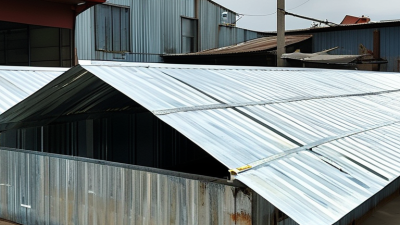
Choosing a Pp Corrugated Steel Sheet for roofing means matching the material to the roof, not just choosing a color or price. Consider sheet thickness, profile depth, coating, support spacing, and the manufacturer’s installation guidance. These details affect stiffness, water shedding, and how the sheets perform under local weather conditions. A sample laid over battens can reveal details a brochure may hide: how the overlaps sit, whether the edges align, and how the finish looks in daylight.
One important note: I can’t verify a real industry expert’s quotation from the information provided, so I won’t invent one. A useful rule for this guide is: “Choose the sheet for the conditions it must withstand, then verify every detail against its technical data.” Treat that as editorial guidance, not a sourced expert quotation.
The sections ahead will help compare sheet specifications, roof pitch, fixing patterns, and corrosion protection. They will also explain what to check in product data, including thickness tolerances and recommended fasteners. Ask suppliers for written technical information, and confirm that the proposed support spacing suits the exact profile. Small differences matter. A sheet that looks sturdy in a yard may flex on widely spaced supports. And a low price can leave important questions unanswered. No single profile suits every roof; the right choice depends on climate, structure, exposure, and installation quality.
Understanding the Structure and Properties of PP Corrugated Steel Sheets
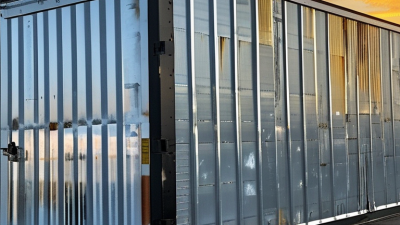
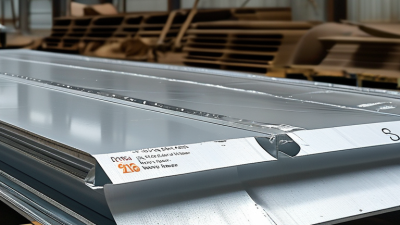
PP corrugated steel sheets are layered products, not simply painted metal. Where “PP” means pre-painted, the panel usually has a steel core, metallic corrosion-resistant coating, primer, and factory-applied topcoat. Corrugations add stiffness and channel rainwater, while the coating system protects exposed surfaces. Check the product specification: ASTM A792/A792M uses coating designations such as AZ50, indicating 0.50 ounces per square foot of aluminum-zinc alloy coating across both sides. That figure describes coating mass, not the finished panel’s service life. Cut edges and scratched areas still deserve attention.
Profile depth, base-metal thickness, and support spacing affect how a sheet performs under load. A deeper rib may resist bending better, but it does not replace checking the manufacturer’s load tables for your span, wind exposure, and snow conditions. Thermal movement matters too. The American Iron and Steel Institute’s cold-formed steel guidance uses a thermal expansion coefficient near 12 × 10⁻⁶ per °C; a 10-metre panel can therefore move about 12 millimetres across a 100°C temperature swing. Leave suitable movement allowance at fixings. A detail easily missed. Condensation beneath the sheet can also attack the underside coating, especially in poorly ventilated roof spaces. Product data helps, but site conditions are not always neat. Check both faces, fastener compatibility, and edge treatment before choosing a profile.
Assessing Roofing Needs, Climate, and Building Requirements
Choosing PP corrugated steel sheets begins with the building, not the color chart.
Check roof pitch, support spacing, drainage, and the building’s design loads. ASCE 7-22 maps help engineers determine local wind and snow loads; coastal exposure and open terrain can raise wind demands. Ask for the sheet’s tested load capacity, coating specification, and approved fastener pattern. A profile that looks sturdy may still flex between widely spaced purlins. Measure twice.
Climate changes the details.
In heavy rain, adequate overlap and correctly placed washers help limit water entry. In snowy regions, confirm that the roof structure can carry the required snow load; corrugations alone do not make a roof snow-safe. For hot, sunny sites, consider a reflective finish. The U.S. Department of Energy’s Energy Saver guidance reports that cool roofs may reduce peak cooling demand by 10–15% in air-conditioned buildings. That figure depends on climate, insulation, and roof design, so it is not a guaranteed saving.
Building requirements matter too.
Check local code provisions for wind uplift, fire performance, corrosion exposure, and underlayment before ordering. Near salt spray or industrial pollution, ask for coating data suited to that environment, rather than relying on appearance. Compare the supplier’s test documents with the project specifications. I would not assume two sheets with similar profiles perform alike; that assumption is easy to make, and costly to test on a finished roof.
Comparing Sheet Thickness, Profile, Coating, and Color
Choosing PP corrugated steel sheets starts with the roof’s load, span, and local weather—not appearance alone. Thickness affects stiffness, handling, and resistance to denting. A thinner sheet may work with closely spaced supports, while wider purlin gaps may require a heavier gauge. Check the stated base-metal thickness, not just the finished sheet measurement; coatings can make figures confusing. Small detail, big difference. Profile depth matters too. Taller ribs can improve drainage and support longer spans, but they need compatible flashings and fasteners. Match the profile to the roof slope and support spacing in the project design.
Coating choice should reflect exposure. In damp or coastal air, compare corrosion-protection specifications and edge-treatment guidance instead of relying on a glossy surface. For a sheltered inland roof, a standard coating may be adequate, but verify the technical data. Color affects more than curb appeal: dark finishes absorb more solar heat, while lighter shades can reduce roof-surface warming. Indoor comfort still depends on insulation and ventilation. It is easy to give color too much weight. Ask for a sample and view it in daylight; a small swatch may look different beneath an overhang. Check the edges. Confirm that sheet length, lap direction, and fixing pattern fit the installer’s plan.
Matching Sheet Selection to Installation and Maintenance Needs
Choose sheets by the roof’s support layout, not appearance alone. Measure rafter spacing, roof pitch, and the full run from eave to ridge. PP panels and corrugated steel differ in weight, flexibility, and response to temperature, so check each product’s load and installation data. Fit matters. A panel that looks right may not suit the purlin spacing or existing corrugation profile.
Plan fixing details before ordering. Use fasteners and sealing washers suited to the sheet material, and place them where the installation guide specifies. PP can expand and contract with temperature; oversized fixing holes may be required, depending on the product. Steel may need compatible corrosion-resistant fasteners, especially in damp or coastal settings. Check the span. Keep overlaps facing away from prevailing rain, and leave a clear drainage path at the eaves.
Maintenance needs should shape the choice, too. A roof with difficult access benefits from durable sheets and simple, visible fixing points. Clear leaves from valleys and gutters, and inspect washers, laps, and cut edges after severe weather. Avoid walking directly on unsupported panels; use safe access equipment and follow the supplier’s guidance. Real roofs are rarely perfectly square, and small measurement errors can complicate installation. Recheck dimensions before cutting; it is a simple step, but easy to rush.