Leave Your Message

Top 10 GI Steel Sheet Manufacturers for Global Buyers

Choosing a reliable Gi Steel Sheet manufacturer requires more than comparing prices. Global buyers must examine coating weight, zinc consistency, substrate quality, and documented production controls. A bright surface can look impressive, yet hidden weaknesses may appear during forming, welding, or coastal storage.

This guide reviews ten leading manufacturers serving international markets. It considers plant capacity, export experience, quality certifications, delivery performance, and technical support. Factory audits, mill certificates, and independent testing can reveal details that brochures often omit. Buyers should also check thickness tolerance, surface finish, packaging methods, and after-sales response. A well-packed coil should arrive dry, tightly secured, and free from white rust.

Real purchasing experience shows that the cheapest offer is rarely the complete cost. Freight routes, minimum order quantities, customs documents, and replacement policies can change the final result. Different projects also demand different solutions. Roofing panels need dependable corrosion resistance, while automotive parts may require stronger formability and precise dimensional control.

No ranking is permanent. Market conditions change. Some public data may be incomplete, and supplier performance can vary by region or order size. Therefore, this selection should support due diligence, not replace it. Request recent test reports, confirm production dates, and compare samples before signing a contract. These practical checks help buyers identify manufacturers that deliver consistent Gi Steel Sheet products, not merely attractive quotations.
Top 10 GI Steel Sheet Manufacturers for Global Buyers

What GI Steel Sheets Are and Why Global Buyers Use Them

Galvanized iron (GI) steel sheets are flat steel products protected by a zinc coating. Manufacturers usually apply zinc through a hot-dip galvanizing process. The molten zinc forms a bonded protective layer around the steel surface. It also offers sacrificial protection when small scratches expose the underlying metal. This makes GI sheets suitable for roofing, wall panels, ducting, storage equipment, and general fabrication.

They are widely used because they balance durability, cost, and availability. A properly selected sheet can withstand humidity, rain, and outdoor handling better than untreated steel. The familiar spangled surface also provides a practical finish for many construction applications. Yet coating thickness matters greatly. A thin zinc layer may perform poorly in aggressive coastal or industrial environments. Paint compatibility matters too.

Buying decisions should include steel grade, sheet thickness, zinc coating mass, dimensions, and surface condition. Request mill certificates and verify measurements with independent inspection when order values are high. Standards such as ASTM, EN, and ISO can clarify testing requirements, but buyers should confirm the exact edition and grade. Salt-spray results alone may not represent real outdoor exposure. That is an easy detail to overlook. In my experience, packaging and transport damage can undermine a good specification. Sheets need dry storage, stable stacking, and protection from trapped moisture. Even reliable suppliers cannot correct careless unloading or prolonged wet storage.
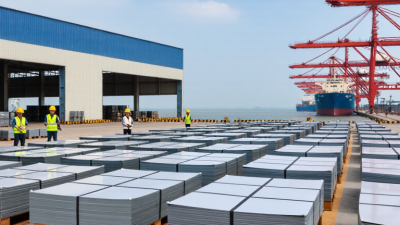
How the Top 10 Manufacturers Are Selected

A credible Top 10 list should measure more than annual output. The World Steel Association reported 1.89 billion tonnes of crude steel production worldwide in 2023. That figure shows scale, not sheet quality or export dependability. Our selection therefore combines production capacity, galvanized sheet specialization, coating consistency, and delivery performance. Each manufacturer should provide traceable mill certificates, recent test results, and evidence of stable overseas shipments. No ranking is flawless. Regional data can be incomplete.

Technical screening follows recognized requirements, including ASTM A653/A653M and EN 10346. We compare zinc coating mass, thickness tolerance, surface finish, formability, and weldability. Independent laboratory testing matters when claims appear unusually strong. Customer complaint handling also reveals practical experience. Sustainability receives careful attention. The International Energy Agency identifies steelmaking as responsible for about 8% of global energy-system carbon dioxide emissions, so credible producers should disclose energy use, emissions data, and reduction targets. Marketing language alone is weak evidence.

Tips: Request samples before signing large contracts. Check coating mass at several points, not one corner. Ask for inspection records from the actual production lot. Confirm packing details, port experience, and replacement procedures. A polished website proves little. One overlooked issue remains common: buyers often compare price before comparing coating consistency. That mistake can create visible rust spots, rework, and delayed installation.

Top 10 GI Steel Sheet Manufacturers for Global Buyers

Top 10 GI Steel Sheet Manufacturers for Global Buyers

Selecting among the top 10 GI steel sheet manufacturers requires more than comparing quoted prices. Reliable producers control steel chemistry, rolling accuracy, and zinc coating consistency. Buyers should check thickness ranges, coating weights, and available grades before requesting samples. Common specifications include ASTM A653, EN 10346, and JIS G3302. A capable manufacturer should provide mill test certificates, coating inspection records, and traceable batch numbers. Clear documentation matters.

Look closely at production details. Galvanized sheets may range from 0.25 to 3.00 millimeters in thickness, while zinc coatings often vary from 40 to 275 grams per square meter. Ask about coil width tolerance, surface finish, edge condition, and packaging for sea transport. Moisture-resistant wrapping and strong steel straps can prevent damage inside a container. Small details matter.

Do not trust claims alone.

Independent inspection can verify coating weight, dimensions, tensile strength, and surface defects before shipment. Communication also reveals manufacturing discipline. Slow replies, unclear tolerances, or changing test data deserve attention. A lower price may hide thinner coatings or inconsistent flatness. However, inspection adds cost and time, which smaller buyers may underestimate. Even experienced procurement teams can overlook local import requirements, labeling rules, or port handling conditions. A practical supplier assessment should balance technical capability, production capacity, delivery history, and after-sales response.

Top 10 GI Steel Sheet Manufacturers for Global Buyers
Rank Anonymous Manufacturer Profile Main Production Region Galvanizing Route Typical Thickness Typical Width Common Zinc Coating Common Steel Grades Relevant Standards Surface Finish Typical Applications
1 Profile A East Asia Continuous hot-dip galvanizing 0.30–3.00 mm 900–1,850 mm Z80–Z350
G30–G90
Commercial quality, structural quality, forming quality ASTM A653/A653M
EN 10346
JIS G3302
Regular spangle, minimized spangle, skin-passed Roofing, wall cladding, HVAC components, general fabrication
2 Profile B South Asia Continuous hot-dip galvanizing 0.25–2.50 mm 800–1,600 mm Z60–Z275
G30–G90
Commercial quality, drawing quality, structural quality ASTM A653/A653M
EN 10346
ISO 3575
Regular spangle and zero-spangle options Construction panels, ducting, agricultural buildings, light engineering
3 Profile C East Asia Continuous hot-dip galvanizing 0.40–4.00 mm 1,000–2,000 mm Z100–Z450
G40–G140
Structural grades, high-strength low-alloy grades EN 10346
ASTM A653/A653M
JIS G3302
Minimized spangle, skin-passed, tension-leveled Structural sections, industrial roofing, storage systems, machinery parts
4 Profile D Europe Continuous hot-dip galvanizing 0.40–2.00 mm 1,000–1,800 mm Z100–Z275 DX51D, DX52D, DX53D, S250GD–S550GD EN 10346
EN 10143
EN 10204
Regular spangle, minimized spangle, passivated Automotive components, appliances, construction products, profiles
5 Profile E North America Continuous hot-dip galvanizing 0.28–3.40 mm 900–1,850 mm G30–G90
Z90–Z275
Commercial steel, structural steel, forming steel ASTM A653/A653M
ASTM A924/A924M
Regular spangle, minimized spangle, dry or oiled Metal roofing, framing, garage doors, building components
6 Profile F Middle East Continuous hot-dip galvanizing 0.30–2.50 mm 900–1,600 mm Z80–Z275
G30–G90
Commercial quality, structural quality, bending quality ASTM A653/A653M
EN 10346
ISO 3575
Regular spangle and minimized spangle Roofing sheets, fencing, ducts, prefabricated buildings
7 Profile G Southeast Asia Continuous hot-dip galvanizing 0.20–2.00 mm 750–1,600 mm Z60–Z275
G30–G90
Commercial quality, drawing quality, structural quality JIS G3302
ASTM A653/A653M
EN 10346
Regular spangle, minimized spangle, skin-passed Residential roofing, ceiling systems, cabinets, light fabrication
8 Profile H Oceania Continuous hot-dip galvanizing 0.30–2.50 mm 900–1,800 mm Z100–Z350 Commercial quality, structural quality, high-strength grades AS 1397
EN 10346
ASTM A653/A653M
Regular spangle, minimized spangle, passivated Roofing, walling, agricultural structures, structural framing
9 Profile I Latin America Continuous hot-dip galvanizing 0.35–3.00 mm 900–1,850 mm Z80–Z350
G30–G90
Commercial quality, structural quality, forming quality ASTM A653/A653M
EN 10346
ISO 3575
Regular spangle and minimized spangle Construction, transportation equipment, agricultural and industrial use
10 Profile J Eastern Europe and Central Asia Continuous hot-dip galvanizing 0.35–2.50 mm 900–1,600 mm Z100–Z275 DX51D–DX54D, S250GD–S350GD EN 10346
EN 10143
EN 10204
Minimized spangle, skin-passed, passivated Roofing, facade systems, ventilation equipment, steel profiles

Note: The specifications shown are representative market ranges for GI steel sheet procurement. Final values depend on the selected mill, applicable standard, order quantity, coating designation, inspection requirements, and destination-market regulations.

How to Compare Quality, Coating, Capacity, and Delivery

For global buyers, comparing galvanized steel sheet manufacturers requires more than ranking output. Quality starts with traceable heat numbers, tensile data, dimensional checks, and independent inspection records. Request the applicable standard, such as ASTM A653 or EN 10346. Then compare coating mass, not only visual brightness. For example, G90 under ASTM A653 represents about 275 g/m² across both surfaces, while Z275 under EN 10346 indicates the same nominal coating mass. Edge coverage matters too. A bright surface can still hide thin corners or uneven adhesion.

Capacity needs evidence. The OECD reported global steelmaking capacity near 2.5 billion tonnes in 2023, with substantial excess capacity. Large numbers alone prove little. Ask for audited monthly production, line width, minimum order quantities, and recent utilization rates. Delivery should be measured from confirmed order to port departure, not from quotation date. The World Steel Association recorded about 1.89 billion tonnes of crude steel production in 2023, showing the scale of a crowded market. Still, congestion, vessel schedules, and customs documents can disrupt a strong factory plan. A polished certificate is not proof. I would verify two recent shipments, inspect packaging photographs, and test a retained sample. That extra step feels slow. It often prevents expensive coating failures, rejected coils, and unpredictable construction delays.

What Buyers Should Verify Before Choosing a Manufacturer

Choosing a GI steel sheet manufacturer requires more than comparing prices. Buyers should verify the base steel grade, zinc coating mass, thickness tolerance, and mechanical properties. These details must match the purchase specification, not only the sales quotation.

Ask for recent mill test certificates and confirm whether an independent laboratory issued them. Check heat numbers, batch records, and production dates. A reliable manufacturer should connect every coil to traceable inspection data. Request physical samples, then measure coating thickness, width, flatness, and surface quality. Small errors matter.

Factory capability also deserves close attention. Review galvanizing line capacity, quality-control equipment, packaging methods, and export experience. Inspect how coils are protected from moisture during transport. Ask about lead times, replacement procedures, and documented handling of claims. Certificates can help, but their scope and validity require verification. A logo alone proves little.

Even experienced buyers can overlook storage conditions after delivery. GI sheets may develop white rust when moisture becomes trapped between tightly packed surfaces. The manufacturer should provide clear packaging and storage guidance. No checklist is perfect. A factory visit or independent inspection may reveal details hidden in polished documents. Pay attention to how staff answer technical questions. Vague replies often deserve a second review.