Leave Your Message

Top 10 Prepainted Corrugated Steel Sheet Manufacturers

Choosing reliable suppliers for Prepainted Corrugated Steel Sheet requires more than comparing prices or catalog photographs. Coating quality, base-metal strength, forming performance, and delivery consistency can determine whether a roof remains attractive after years of sunlight and rain. This guide introduces the Top 10 Prepainted Corrugated Steel Sheet Manufacturers through practical criteria that matter on real projects.

Dr. Robert W. Revie, a recognized corrosion scientist and editor of corrosion engineering references, wrote, “Corrosion is the deterioration of a material, usually a metal, by reaction with its environment.” His observation remains highly relevant. A painted sheet is not merely colored steel. It is a layered protection system, where metallic coating, primer, paint, and profile work together. A small scratch near a fastener can become a serious weakness if production control is poor.

The manufacturers discussed here are assessed through technical capability, coating options, dimensional consistency, testing practices, and market reliability. Their performance can differ by region. One producer may offer excellent color retention, while another performs better with custom lengths or rapid container loading. There is no perfect ranking. Real outcomes also depend on installation, storage, local climate, and maintenance.

Look closely at the details. Check coating thickness. Ask for test reports. Inspect packaging before unloading. These steps are unglamorous, but important. This introduction may not predict every project result, and that limitation deserves recognition. Still, it provides a grounded starting point for buyers, engineers, contractors, and distributors seeking dependable Prepainted Corrugated Steel Sheet suppliers.
Top 10 Prepainted Corrugated Steel Sheet Manufacturers

Definition and Key Features of Prepainted Corrugated Steel Sheets

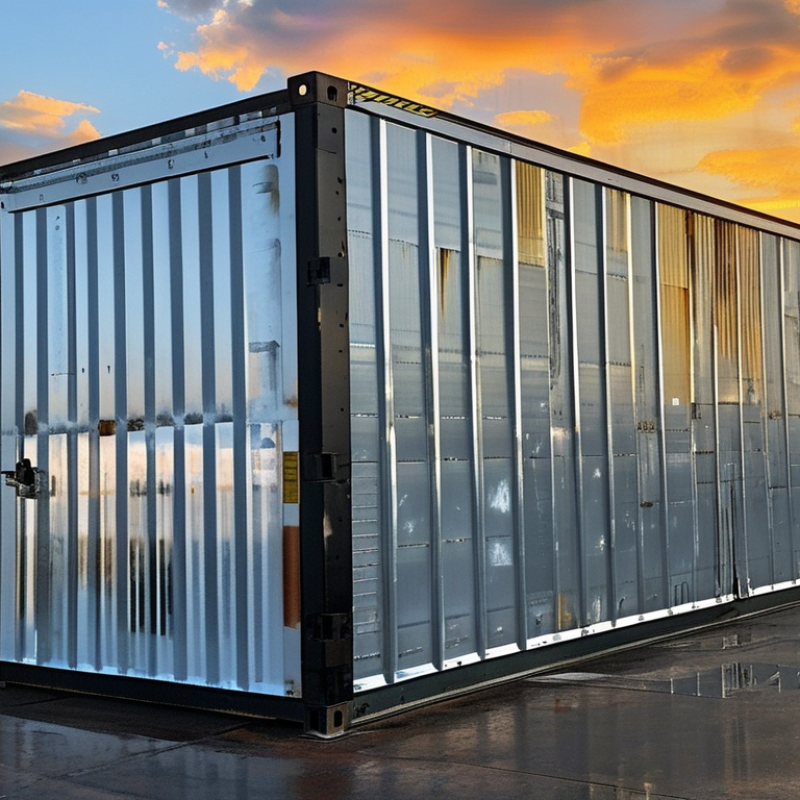
Prepainted corrugated steel sheets are factory-coated steel panels formed into repeating ribs. The steel core is commonly galvanized or aluminum-zinc coated. A conversion layer, primer, and finish coat protect the surface. Roll forming creates stiffness without adding much weight. That geometry matters on roofs and wall cladding. It helps panels span between supports, although spacing still requires engineering. The World Steel Association reported 1.89 billion tonnes of crude steel production in 2023. That scale supports broad material availability, but it does not guarantee coating quality. Buyers should verify substrate mass, coating thickness, paint chemistry, and batch records.

Key features include corrosion resistance, consistent color, quick installation, and low routine maintenance. Performance depends on exposure, cut edges, fasteners, and drainage. Coastal salt, trapped moisture, and industrial fumes can shorten service life. High-reflectance finishes may reduce roof heat gain. The U.S. Department of Energy reports that cool roofs can lower peak cooling demand by 10–30% in suitable buildings. That figure is not a promise for every corrugated panel. It depends on insulation, ventilation, climate, and surface aging. Testing under ASTM or ISO methods improves comparison. Still, laboratory results can miss careless installation. A scratched rib is small, but it may become the first visible failure.

Top 10 Prepainted Corrugated Steel Sheet Manufacturers - Definition and Key Features of Prepainted Corrugated Steel Sheets

Definition: Prepainted corrugated steel sheets are factory-coated steel panels formed into regular waves or ribs to improve stiffness, weather resistance, and drainage performance. The comparison below uses anonymized manufacturer profiles and representative industry specifications rather than company or brand data.
Representative technical ranges commonly available in the prepainted corrugated steel sheet industry. Exact values depend on the applicable standard, coating system, steel grade, roll-forming profile, and project requirements.
Profile Typical Substrate Common Steel Thickness Effective Width Corrugation Depth Coating System Paint Film Thickness Metallic Coating Typical Yield Strength Relevant Standards Key Features and Suitable Uses
Manufacturer 01 Hot-dip galvanized steel 0.35–0.80 mm 800–1,100 mm 18–35 mm Polyester over chromate-free pretreatment Top 15–25 μm; back 5–10 μm Zinc, commonly Z100–Z275 280–550 MPa EN 10346; EN 10169 Economical general-purpose roofing and wall cladding with good formability.
Manufacturer 02 55% aluminum-zinc alloy-coated steel 0.40–0.90 mm 900–1,250 mm 25–76 mm Silicone-modified polyester Top 20–30 μm; back 5–15 μm Al-Zn alloy, commonly AZ50–AZ150 300–550 MPa ASTM A792/A792M; ASTM A755/A755M Enhanced atmospheric corrosion resistance for industrial and agricultural buildings.
Manufacturer 03 Galvanized high-strength steel 0.45–1.20 mm 850–1,100 mm 35–50 mm High-durability polyester or SMP Top 25–35 μm; back 10–15 μm Zinc, commonly Z180–Z275 420–550 MPa EN 10346; ASTM A653/A653M Higher structural capacity and improved resistance to denting and wind loads.
Manufacturer 04 Aluminum-zinc coated structural steel 0.50–1.00 mm 900–1,200 mm 40–60 mm Polyurethane or modified polyester Top 25–40 μm; back 10–15 μm Al-Zn alloy, commonly AZ100–AZ150 350–550 MPa EN 10169; ISO 12944 guidance Suitable for long-span roofing where reduced support spacing and durability are important.
Manufacturer 05 Galvanized cold-forming steel 0.30–0.60 mm 750–1,050 mm 18–30 mm Standard polyester Top 15–20 μm; back 5–10 μm Zinc, commonly Z100–Z200 220–350 MPa EN 10346; ASTM A653/A653M Lightweight and easy to cut, suitable for residential roofs, sheds, and partitions.
Manufacturer 06 Galvanized steel with PVDF finish 0.45–0.90 mm 800–1,200 mm 25–50 mm PVDF over primer and pretreatment Top 25–35 μm; back 10–15 μm Zinc, commonly Z180–Z275 280–550 MPa EN 10169; AAMA 2605 performance principles Superior color and gloss retention for architectural façades and premium roofs.
Manufacturer 07 55% aluminum-zinc coated steel 0.40–0.75 mm 850–1,150 mm 20–45 mm Matt polyester with anti-fingerprint layer Top 20–30 μm; back 5–15 μm Al-Zn alloy, commonly AZ50–AZ150 280–450 MPa ASTM A792/A792M; EN 10169 Low-glare appearance, good scratch resistance, and suitability for visible exterior panels.
Manufacturer 08 Galvanized steel for cold environments 0.40–0.80 mm 800–1,100 mm 25–40 mm Flexible polyester coating Top 20–25 μm; back 5–10 μm Zinc, commonly Z180–Z275 280–450 MPa EN 10346; EN 10169 Good coating flexibility and impact tolerance for cold-weather construction.
Manufacturer 09 Galvanized steel with antimicrobial paint option 0.35–0.70 mm 750–1,100 mm 18–35 mm Polyester or coated hygienic finish Top 20–30 μm; back 10–15 μm Zinc, commonly Z100–Z275 220–450 MPa EN 10169; ASTM A653/A653M Easy-clean surfaces for food-processing, cold-storage, and interior lining applications.
Manufacturer 10 Aluminum-zinc coated high-strength steel 0.50–1.00 mm 900–1,250 mm 40–76 mm Silicone-modified polyester or polyurethane Top 25–35 μm; back 10–15 μm Al-Zn alloy, commonly AZ100–AZ150 420–550 MPa ASTM A792/A792M; EN 10346 Long-span structural performance with reduced maintenance requirements in demanding environments.
Key selection factors: substrate type, metallic coating mass, paint chemistry, film thickness, yield strength, profile geometry, effective cover width, corrosion category, color-retention requirements, fire performance, and compliance with the project’s specified standard.

Criteria for Evaluating Leading Manufacturers

Top 10 Prepainted Corrugated Steel Sheet Manufacturers: Criteria for Evaluating Leading Manufacturers

A strong manufacturer should prove more than production scale. The World Steel Association reported 1,892.2 million tonnes of crude steel production in 2023. However, volume does not guarantee reliable corrugated sheets. Evaluate substrate strength, zinc or zinc-aluminium coating mass, paint adhesion, colour consistency, and forming performance. Request mill certificates, batch records, and independent test results. ASTM A755/A755M and EN 10169 provide useful references for coated steel quality and organic coating performance.

Manufacturing experience becomes visible in small details. Check whether the supplier controls coil cleaning, primer thickness, curing temperature, and roll-forming pressure. Ask for coating thickness measurements from several points, not one convenient sample. ISO 9223 can help match coating systems with the intended corrosion environment. The World Steel Association’s sustainability data also shows why recycled content, energy use, and lifecycle documentation deserve attention. A credible producer should provide traceability, realistic tolerances, storage guidance, and a warranty with clear exclusions. I would not rank capacity above consistency. That mistake is common.

Tips: Compare at least three recent production batches. Inspect cut edges, corners, and overlapping ribs. Ask for accelerated corrosion testing, but do not treat salt-spray hours as a complete forecast of outdoor life. Review an environmental product declaration when project sustainability targets matter. Some evaluations remain imperfect because actual exposure, installation quality, and maintenance can change performance dramatically.

Top 10 Prepainted Corrugated Steel Sheet Manufacturers

Top 10 Prepainted Corrugated Steel Sheet Manufacturers

The top 10 prepainted corrugated steel sheet manufacturers should be judged beyond production volume. Buyers need stable coating quality, accurate profiling, and dependable delivery. The World Steel Association reported global crude steel production of about 1.89 billion tonnes in 2023. This huge supply base supports strong competition among coated-sheet producers.

Quality starts with the substrate. Manufacturers should disclose steel grade, yield strength, coating mass, and paint-system thickness. ASTM A755/A755M and EN 10169 provide useful references for coated steel performance. Independent laboratory reports should verify adhesion, gloss retention, corrosion resistance, and dimensional tolerance.

Small details matter. A slight profile error can create leaks during roof installation.

Industry market reports continue to forecast growth in prepainted steel demand, driven by construction, warehouses, and modular buildings. However, rankings can become misleading when they rely only on revenue or installed capacity. A practical top 10 list should also examine service life, batch traceability, color consistency, and technical support. Real project experience reveals weaknesses that brochures often hide. Even so, no manufacturer performs perfectly in every climate. Coastal exposure, ultraviolet radiation, and poor handling can reduce coating life, despite strong factory data.

Product Range, Coatings, and Manufacturing Capabilities

Leading prepainted corrugated steel sheet manufacturers usually offer several profiles, including corrugations for roofing, wall cladding, fencing, and agricultural buildings. Common products range from thin residential panels to heavier industrial sheets. Width, rib height, steel grade, and cut-to-length accuracy affect installation speed. In practical factory inspections, clean edges and consistent rib spacing often reveal more than polished brochures.

Coating capability separates experienced producers from basic roll-forming plants. Galvanized or zinc-aluminum substrates support different service conditions. Polyester coatings suit general construction, while higher-performance systems resist ultraviolet exposure, moisture, and industrial pollutants more effectively. Manufacturers may provide multiple colors, gloss levels, and coating thicknesses. A durable finish begins with controlled cleaning, chemical pretreatment, primer application, and oven curing. Small temperature variations can weaken adhesion.

Quality control should cover incoming steel, coating thickness, color consistency, hardness, bending performance, and salt-spray results. Ask for batch records and test samples. Real manufacturing strength also depends on automated slitting, precision roll forming, protective film application, and reliable packaging. Some producers run modern lines but struggle with delivery changes or technical communication. That matters on a busy construction site. No coating system is perfect. Coastal exposure, sharp cutting, and poor storage can still cause early damage. Buyers should compare published data with project conditions, because a strong specification can fail when handling practices are ignored.

Applications, Quality Standards, and Supplier Selection Factors

Top 10 Prepainted Corrugated Steel Sheet Manufacturers

Prepainted corrugated steel sheets serve roofs, wall cladding, warehouses, workshops, and agricultural buildings. World Steel Association data recorded about 1.89 billion tonnes of crude steel production in 2023. This scale supports broad availability, but production volume alone proves little about coating performance. Real projects face sunlight, coastal salt, temperature changes, and repeated handling damage.

Quality screening should include substrate grade, zinc or aluminium coating mass, paint thickness, adhesion, gloss, and colour variation. EN 10169 addresses continuously organic-coated steel products. ASTM A755/A755M covers metallic-coated steel sheet with factory-applied organic coatings. ISO 12944 helps evaluate corrosion protection environments. Ask for batch inspection records, coating certificates, and independent test results. Salt-spray hours can look impressive. They do not perfectly represent every outdoor climate.

Supplier selection requires more than comparing price per tonne. Check forming limits, panel tolerances, delivery consistency, warranty conditions, and technical support. A reliable manufacturer should explain whether the sheet suits roofing, siding, cold storage, or high-humidity interiors.

World Steel Association reports that steel production remains a major industrial energy user, so recycled content and environmental data deserve attention. I would also inspect sample edges and cut surfaces. Small defects matter. No ranking is perfect. A supplier may pass laboratory tests yet perform poorly after careless installation. That uncomfortable possibility should remain part of the evaluation.