Top Uses of Steel Coil in Various Industries Are They Worth the Investment?
Steel Coil plays a vital role across multiple industries. From automotive to construction, its applications are extensive. According to the World Steel Association, global steel coil consumption increased by 5% in 2022. This upward trend points to its essential role in modern manufacturing. Industry expert Dr. Emily Harris noted, “Investing in high-quality steel coil is essential for durability and performance.”
In the automotive sector, steel coil is crucial for producing lightweight and fuel-efficient vehicles. The construction industry also heavily relies on steel coil for frameworks and structural components. However, the initial investment in premium steel coil can be significant. Some companies may hesitate to make this expenditure, unsure of the long-term benefits.
Moreover, the fluctuating prices of raw materials add uncertainty. Despite these challenges, many industries report improved efficiency and reduced maintenance costs with superior steel coil. It's essential to evaluate these factors when considering whether to invest in steel coil. The decision requires careful thought and analysis, recognizing both risks and rewards.
Key Properties of Steel Coil That Drive Its Industrial Applications
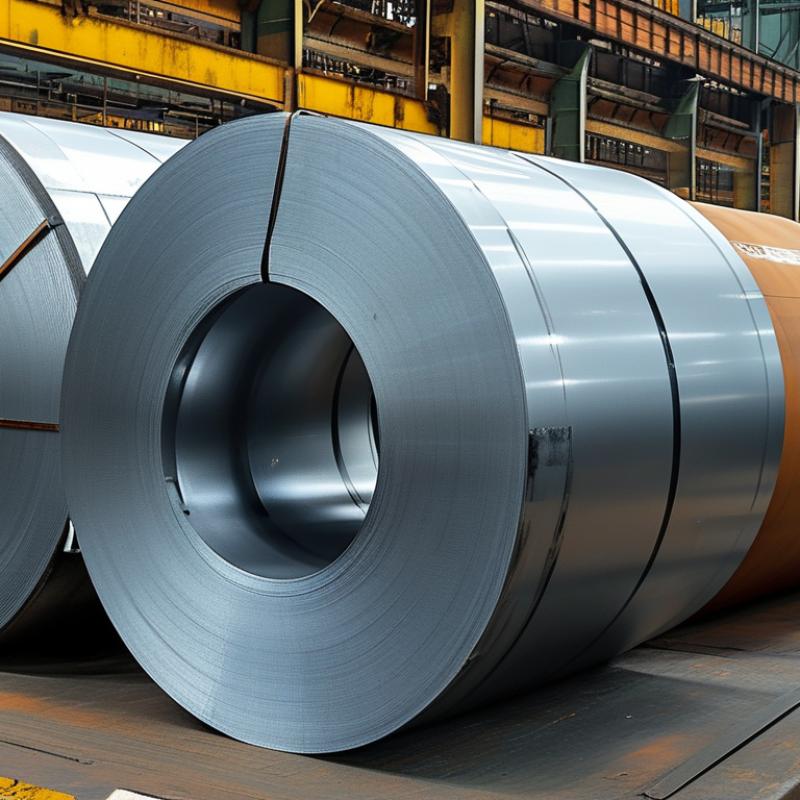
Steel coils are essential in modern industries due to their unique properties. One key feature is their high tensile strength. This attribute allows for the creation of durable products that withstand significant stress. The ability to resist deformation makes steel coils ideal for construction and manufacturing applications.
Another important property is their excellent corrosion resistance. Many industries rely on this characteristic to enhance the lifespan of their products. Steel coils are treated or coated to prevent rust and deterioration. This treatment is vital for automotive and appliance sectors, where appearance and longevity are crucial.
Additionally, steel coils are versatile. They can be easily shaped, cut, and welded to meet specific requirements. This flexibility supports innovation and efficiency across various sectors. However, the costs associated with high-quality steel coils can prompt businesses to evaluate their investment carefully. Balancing cost and performance is an ongoing challenge in the industry.
Major Industries Utilizing Steel Coil and Their Specific Requirements
Steel coil is a crucial material utilized in various industries, with specific requirements tailored to each sector’s needs. The automotive industry, for instance, demands steel coils that offer lightweight solutions. According to market research, this sector alone accounted for over 25% of global steel usage in 2021. The focus is on high-strength, durable materials that enhance fuel efficiency while ensuring safety.
In the construction industry, steel coil serves a different purpose. Builders require coils that resist corrosion and provide structural integrity. A report from the World Steel Association indicates that coatings on steel coils can improve durability by 30%. Additionally, the HVAC sector relies on steel coils for manufacturing ductwork and systems. These components must meet strict insulation standards and thermal efficiency ratings, illustrating the diverse applications of steel coil.
Yet, the investment in steel coils is not without challenges. Fluctuating raw material prices can impact budgets. Companies must consider potential waste and rework from improperly specified materials. As industries evolve, the demand for innovation in steel coil applications continues to grow. It raises questions about long-term sustainability and economic viability, encouraging manufacturers to reassess their strategies.
Top Uses of Steel Coil in Various Industries
| Industry |
Primary Use |
Specific Requirements |
Investment Justification |
| Automotive |
Body panels, chassis |
High strength-to-weight ratio |
Reduced manufacturing costs |
| Construction |
Beams, roofing sheets |
Corrosion resistance |
Long term durability |
| Manufacturing |
Machinery components |
High precision and strength |
Enhanced operational efficiency |
| Electronics |
Enclosures, brackets |
Surface finish quality |
Improved product reliability |
| Appliances |
Fridge shells, washers |
Insulation compatibility |
Cost-effective production |
Cost-Benefit Analysis: Is Investing in Steel Coil Worth It?
Investing in steel coil can be a strategic decision for various industries. Steel coils are essential components in construction, automotive, and manufacturing sectors. According to a report by the World Steel Association, global steel demand is expected to grow by 1.8% annually, indicating a robust market for steel products.
When conducting a cost-benefit analysis, factors like durability and versatility become key. Steel coils are known for their strength, making them suitable for a range of applications. This can lead to reduced maintenance costs over time. For instance, using steel in construction can reduce material waste by up to 20%. However, initial investment costs can be a significant barrier for small businesses. The price of steel has fluctuated, which may impact long-term budgeting.
Moreover, reliance on steel coil also requires consideration of sustainability practices. The production process has a notable environmental footprint. Exploring recycled steel can mitigate this issue, enhancing overall value. Data from the American Iron and Steel Institute suggests that recycling steel can save over 74% of the energy compared to producing new steel. Balancing investment against potential savings and environmental impacts is critical for making informed decisions.
Emerging Trends in Steel Coil Usage Across Different Sectors
Steel coil usage has evolved significantly in various industries. One emerging trend is the increased demand for lighter and stronger materials. Manufacturers are looking to improve efficiency and cut costs. This shift pushes steel coil production towards advanced technologies. In turn, this enhances sustainability and reduces waste during manufacturing.
Another notable trend is the customization of steel coils. Companies are increasingly seeking tailored solutions for specific projects. Customization allows for better compatibility with diverse applications. This flexibility often leads to enhanced performance in automotive, construction, and packaging sectors. As industries adopt more innovative designs, the relevance of steel coil remains pivotal.
Despite these advancements, some challenges linger. The initial investment for high-quality steel coils can be substantial. Price fluctuations in raw materials can impact long-term planning. Therefore, companies must conduct careful assessments. Weighing short-term costs against potential benefits is crucial for making informed decisions.
Top Uses of Steel Coil in Various Industries
This chart illustrates the top applications of steel coil across various industries, highlighting their significance and the value they represent in terms of investment.
Environmental Impact and Sustainability of Steel Coil Production
Steel coil production has significant environmental implications. It is crucial to consider the sustainability of its manufacturing process. The production of steel coils often involves high energy consumption and releases greenhouse gases. However, advancements in technology are improving efficiency. More companies are adopting methods to reduce waste and emissions. This shift is promoting a greener approach to steel coil production.
Tips: Look for producers committed to sustainability. Many have certifications that indicate their environmental performance. This can guide your investment decisions, ensuring you support responsible practices.
Recycling plays a major role in reducing the environmental impact. A substantial percentage of steel utilized today is recycled material. This practice not only conserves resources but also reduces the energy needed for production. Investing in recycled steel coils can yield long-term benefits—both economically and environmentally.
On the flip side, some steel coil manufacturers still prioritize profit over sustainability. It’s essential to research their practices. This will help avoid companies damaging the environment for short-term gains. Critical evaluation of production methods is necessary to ensure a responsible investment.