Choosing a pipe is rarely a small decision. It affects installation time, maintenance, and long-term reliability. Crews notice practical details on site: straight lengths, clean cut ends, and sections that align without a struggle. Erw Steel Pipe is formed from steel strip, then joined along a seam using electric resistance welding. This process can support consistent dimensions and efficient production across common sizes. Small details matter.
Project teams often consider it for water, structural, and general industrial applications when the specified grade and dimensions suit the design. Its relatively smooth exterior may simplify handling and coating, though the surface still needs inspection. Yet a familiar product is not automatically the right one. Pressure, temperature, fluid, wall thickness, corrosion exposure, and project standards all affect suitability. For example, a line exposed to moisture may need a protective coating and maintenance plan, not just a suitable steel grade.
Ask suppliers for traceable material certificates, weld and dimensional inspection records, and clear manufacturing specifications. Check actual requirements. Comparing those records with the design can prevent mismatches that are costly to correct after installation. ERW pipe can offer a practical balance of availability, consistency, and cost, but these benefits depend on quality control and correct selection. A careful review may feel slow. It is usually worth it.
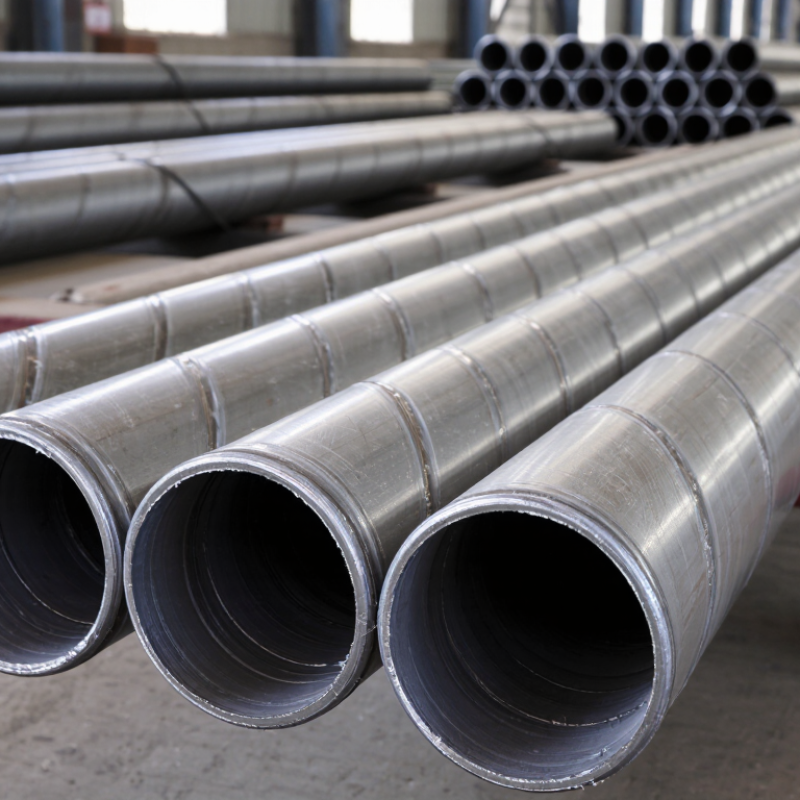
ERW means electric resistance welded. The pipe starts as a flat steel strip, formed into a cylinder with a straight longitudinal seam. Electric current heats the strip’s edges. Pressure rolls join them. No filler metal is added. After welding, mills size and straighten the pipe, then inspect it for defects. Requirements vary by grade and application. API Spec 5L and ASTM A53, for example, specify requirements for certain pipe products and uses.
The World Steel Association’s World Steel in Figures 2024 reports global crude steel production of 1,892.2 million tonnes in 2023. That figure is not ERW pipe output; it provides broader context for the steel supply chain. For a project, check the specified grade, wall thickness, dimensions, weld inspection, and testing requirements. A visible seam is part of the pipe’s construction, not by itself proof of quality. Corrosion protection also deserves attention, especially where cut ends or coating damage may expose steel. ERW may suit many applications, but the manufacturing method alone cannot confirm suitability.
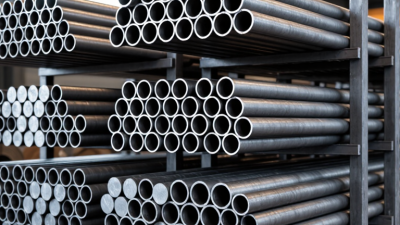
ERW steel pipe starts as a flat coil of steel. The coil is unrolled, leveled, and slit into strips sized for the required pipe diameter. Forming rolls gradually bend each strip into a round shape, bringing its edges together. A close fit matters.
Electric current heats the meeting edges, and rollers press them together to form a longitudinal weld. No filler metal is normally added. The resulting weld bead is trimmed, inside and out where required, before the pipe is sized, straightened, and cut to length. The process is efficient, but it is not magic: edge alignment and welding settings affect consistency. Each production line can behave a little differently.
Tips: Ask what inspection applies to your pipe specification. Depending on the intended service, checks may include visual inspection, ultrasonic testing, or a hydrostatic test. Keep the grade, dimensions, and test requirements aligned with the project drawings. Small mismatches are easy to overlook.
| Topic | Process or Characteristic | Project Relevance |
|---|---|---|
| Starting material | ERW pipe is commonly made from coiled steel strip, also called steel coil or skelp. | Coil-based production supports continuous manufacturing and consistent dimensions along the pipe length. |
| Uncoiling and preparation | The strip is uncoiled, leveled, and its edges are prepared before forming. | Flat, properly aligned material helps the strip enter the forming section consistently. |
| Forming | Rolls progressively shape the flat strip into a cylindrical tube, bringing its edges together. | The forming setup determines the pipe’s outside diameter and helps maintain dimensional consistency. |
| Longitudinal welding | Electrical resistance heats the adjoining edges; pressure forges them together to create a longitudinal weld. Modern ERW lines commonly use high-frequency current, and the process generally uses no filler metal. | The process creates a continuous seam without adding a separate welding consumable. Weld quality still depends on suitable process control and inspection. |
| Weld-bead removal | Excess material, known as flash, is typically trimmed from the inside, outside, or both sides of the weld as required. | Trimming can provide a smoother bore or exterior surface where the application or specification calls for it. |
| Sizing and straightening | Additional rolls size the pipe and correct its shape; the pipe may also be straightened. | These steps help achieve the specified diameter, roundness, and straightness. |
| Inspection and testing | Depending on the product standard and order, inspection may include dimensional checks, visual examination, and nondestructive examination of the weld. | Confirm the required inspection method and acceptance criteria in the applicable standard and purchase specification. |
| Cutting and finishing | The continuous pipe is cut to length and may receive end finishing, coating, or other specified treatment. | Cut lengths, end preparation, and corrosion protection can be selected to suit fabrication and service requirements. |
| Production efficiency | ERW production forms and welds strip in a continuous line, making it suitable for high-volume manufacture. | For projects with suitable dimensions and service conditions, this production route can offer an economical pipe option. |
| Selection considerations | Available dimensions, steel grades, tolerances, and testing requirements depend on the applicable product standard and manufacturer’s production range. | Match the pipe specification to design pressure, temperature, fluid or environment, fabrication needs, and relevant codes; ERW is not automatically suitable for every application. |
Note: Manufacturing details and inspection requirements vary by product standard, order specification, and production line.
ERW steel pipe is made by forming steel strip into a tube and joining its edges with electrical resistance heat and pressure. Its defining properties include the steel grade, outside diameter, wall thickness, and weld quality. These determine how the pipe handles pressure, loads, and exposure to its working environment. Details matter. ERW pipes can offer consistent dimensions and a smooth surface, which may simplify fitting and installation. Mechanical performance still depends on material specifications and manufacturing controls; the process alone does not guarantee suitability. For a project, check the specified grade, tolerances, and inspection requirements rather than relying on the pipe type as a shortcut.
Tips: Match wall thickness and grade to the design conditions. Confirm whether weld inspection or pressure testing is required. Ask for material test documentation, and compare it with the project specification.
A close fit can save time when aligning pipe sections on site. Corrosion resistance, however, is not a fixed ERW property; it depends on the steel and any coating or lining. Consider moisture, chemicals, temperature changes, and handling damage. I would not treat a clean-looking seam as proof of soundness. Review relevant inspection records, and have a qualified engineer verify the selection for critical service.
ERW steel pipe is commonly used in building frames, handrails, scaffolding, and fence posts. Its consistent dimensions make fabrication and installation more predictable. In municipal and industrial systems, it may carry water, air, or other fluids when the pipe grade and specifications suit the service. Some oil and gas applications also use ERW pipe, subject to the required standards and operating conditions. Useful, but not universal.
You will also find ERW pipe in agricultural irrigation, greenhouse structures, and vehicle components. Picture a long irrigation line crossing a field: manageable weight and repeatable sizing can simplify assembly. For structural work, engineers check wall thickness, loading, and connection details rather than relying on the manufacturing method alone. I have seen projects specify pipe by habit; that is worth reconsidering. Corrosion exposure, temperature, pressure, and inspection needs can change the right choice.
Tips: Confirm the applicable specification, grade, outside diameter, and wall thickness before ordering. Check whether coating or other corrosion protection is needed. For pressure service, verify suitability against the design requirements and qualified engineering guidance. Don’t guess. A small mismatch can complicate installation or service life.
ERW (electric resistance welded) steel pipe is widely used in water and gas distribution, structural applications, fencing, and industrial piping, subject to the applicable material specification and design requirements. The chart shows standard outside diameters for selected nominal pipe sizes; nominal size is not the measured outside diameter. Pipe size, wall thickness, and grade should be selected for the project’s service conditions and governing code.
Start with the service, not the price. Is the pipe carrying water, structural loads, or pressurized fluid? Record the working pressure, temperature, fluid chemistry, and expected loads. Then compare the project specification with the required material grade, outside diameter, wall thickness, and dimensional tolerances. A pipe that fits the drawing may still be unsuitable for corrosive service.
Check the manufacturing and inspection requirements. ERW pipe is formed from steel strip and welded along its length, so ask for traceable mill test certificates and records of weld inspection. Match the purchase specification to the relevant standard, such as ASTM A53 or API 5L, where applicable.
Consider installation, too. Confirm whether the selected wall thickness supports handling, joining, and operating conditions; review coating needs and delivery lengths before ordering. For critical service, have a qualified engineer check pressure design and corrosion allowances.
One detail is easy to miss: the cheapest quote may omit testing or coating requirements. I would not assume those costs are included without written confirmation.