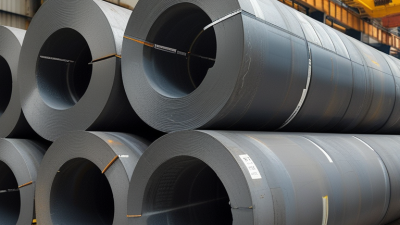
Choosing a Steel Bar supplier in 2026 is not just a price comparison. Buyers need consistent dimensions, dependable delivery, and documentation they can verify. A quote may look attractive, yet unclear grades or vague tolerances can create costly problems later. Small details matter. Ask for current mill test certificates, product specifications, and clear batch identification. Confirm the stated grade matches project requirements, and check whether the supplier can provide traceability from production to shipment.
Then examine the realities of supply. Review stock availability, minimum order quantities, packaging, transport arrangements, and realistic lead times. A supplier’s answer about a delayed truck or a changed production slot can reveal how well they communicate. Request samples when practical, and compare measured diameter, straightness, surface condition, and cut length against the agreed specification. Do not treat a polished website as proof of quality. Verify references, inspection processes, and relevant quality certifications directly.
Price still matters, but the lowest offer may not represent the lowest total cost. Freight, rejected material, schedule disruption, and replacement time can quickly change the calculation. Keep written records of specifications and acceptance criteria. Even careful buyers can miss a detail. Recheck the details. This guide explains how to assess suppliers with practical questions, evidence, and a clear comparison process. No checklist is perfect; the right choice depends on application, quantity, location, and risk tolerance. A thoughtful review helps buyers choose a Steel Bar supplier they can rely on, while recognizing what still needs confirmation before placing an order.

How to Choose a Steel Bar Supplier in 2026?
Define Your Steel Bar Requirements and Project Specifications
Before comparing suppliers, define what the project actually needs. Specify the bar type, grade, diameter, length, quantity, and required tolerances. A 12-millimeter bar may suit one component, while a heavier section may be needed elsewhere. Note the operating environment, too. Exposure to moisture, chemicals, or high temperatures can affect material selection. Include delivery location and schedule, since these details influence packaging and handling. Clear requirements make quotations easier to compare and reduce the risk of ordering unsuitable stock.
Tips: Share drawings or a cut list when available. State whether bars need cutting, machining, or special packaging. Ask what inspection records can accompany the material. Keep it measurable.
Avoid vague requests such as “standard steel bar.” Identify the relevant material specification and acceptance criteria, then confirm them with a qualified engineer when design requirements are uncertain. It is tempting to list every possible condition, but over-specification can add cost without improving performance. Review each requirement against the actual use. Before placing an order, check that the supplier’s proposed grade, dimensions, tolerances, and documentation match your written specification—not just the product description.
When choosing a steel bar supplier in 2026, look beyond price lists and polished websites. Compare the company’s credentials, product certifications, and relevant industry experience. Ask for current documents that identify the issuing body, covered products, and validity period. Paperwork matters.
Match certification details to the steel grade and intended application you need. For example, check that test certificates list the heat or batch number, chemical composition, and mechanical properties. Confirm that those numbers correspond to the material being offered, not simply a similar product. Verify whether the supplier can provide traceable records with each shipment. Ask how documents are corrected when errors appear. Ask for proof.
Industry experience is useful when it reflects work with comparable grades, order sizes, and delivery requirements. A supplier serving construction projects may handle routine bar sizes well, but your specifications could be different. Discuss tolerances, cutting needs, packaging, and how delays are communicated. Listen for clear, specific answers rather than broad promises. No checklist catches everything; even a careful review can miss a weak handoff between sales and dispatch. A modest trial order can reveal how accurately the supplier labels, documents, and delivers material before you commit to larger volumes.
Check Supplier Credentials, Certifications, and Industry Experience
Use these suggested evaluation weights as a due-diligence scorecard, not as results from an industry survey. Verify material test certificates and heat-number traceability, check that certifications are current and relevant to the supplier’s scope, and assess experience with your required grades, standards, and delivery volumes.
Choosing a steel bar supplier in 2026 starts with evidence, not polished claims. The World Steel Association’s World Steel in Figures 2024 reports 1,892.2 million tonnes of crude steel produced worldwide in 2023. At that scale, heat-level traceability matters: each bundle should link to a mill test certificate, heat number, and stated grade. Numbers matter.
Check the certificate against the purchase specification and applicable standard, such as ASTM A615/A615M or EN 10080, where relevant. Confirm chemical composition, yield and tensile strength, elongation, and bend-test results. Ask how samples were taken, which laboratory tested them, and whether its equipment is calibrated. ISO/IEC 17025 accreditation supports confidence in a lab’s testing competence, but does not verify every delivered bar.
Inspect bundles on arrival. Tags, bar markings, dimensions, and visible damage should match the paperwork. For higher-risk projects, request independent sampling and repeat testing before installation. Paperwork can look perfect. That is not enough. A useful supplier explains out-of-range results, replacement procedures, and record retention clearly. Requirements vary by project and jurisdiction, so ask the responsible engineer to confirm the governing standard and acceptance limits. A standard name on an invoice is not proof of compliance.
| Assessment Dimension | What to Verify | Useful Evidence or Test | Relevant Standard or Reference | Good Supplier Practice |
|---|---|---|---|---|
| Material grade and intended use | Confirm that the quoted grade, product form, dimensions, and application match the purchase specification and design requirements. | Review the order documents and the material test certificate; confirm grade designation and heat or batch identification. | Examples include ASTM A615/A615M or ASTM A706/A706M for reinforcing bars, and ASTM A36/A36M for carbon structural steel. Requirements depend on product type and application. | Identifies the exact governing specification and grade before production or shipment, rather than offering a generic “equivalent” without approval. |
| Chemical composition | Check the reported elements against the limits for the specified grade and product standard. Include carbon equivalent when required for weldability assessment. | Heat analysis reported on the material certificate; product analysis or independent laboratory testing when contractually required. | Use the chemical requirements in the applicable product specification and purchase contract. | Provides results traceable to the production heat and explains any required chemistry limits before accepting an alternative grade. |
| Tensile properties | Verify the required yield strength, tensile strength, elongation, and any specified tensile-strength-to-yield-strength relationship. | Tensile test results tied to the relevant heat, lot, or test sample; confirm the test method and specimen identification. | ASTM product specifications define grade-specific requirements; ASTM A370 is a commonly referenced mechanical testing method for steel products. | Supplies complete, legible test results and does not treat a test method as a substitute for the product’s acceptance limits. |
| Bend and rebend performance | Determine whether the product specification or project requires a bend or rebend test, and verify the applicable specimen size and test conditions. | Recorded bend or rebend test results and the applicable inspection records. | Requirements vary by product specification and grade; reinforcing-bar requirements are covered by the applicable rebar specification. | Confirms which tests are contractually required and provides results from the correct product lot. |
| Dimensions and tolerances | Check nominal size, length, straightness, shape, mass, and permitted tolerances against the order and governing specification. | Documented dimensional inspection using suitable calibrated measuring equipment; verify markings and bundle labels. | Use the dimensional provisions of the specified product standard and the agreed purchase documents. | Records inspection results and notifies the buyer before shipment if a requested size or tolerance cannot be met. |
| Surface condition and visible defects | Inspect for damage, excessive corrosion, cracks, laminations, contamination, or other conditions that could affect use or violate the specification. | Visual inspection at receipt; additional examination if required by the contract, application, or product specification. | Acceptance criteria depend on the product standard, project specification, and intended service conditions. | Defines inspection and disposition procedures and keeps affected material identifiable while a nonconformance is reviewed. |
| Test certificates and traceability | Ensure each delivered bundle or batch can be linked to its grade, heat or lot, production records, and test results. | Material test certificate, bundle tags, heat numbers, delivery documents, and a traceability record connecting them. | EN 10204 Type 3.1 is one commonly used inspection-document designation for specific inspection results validated by the manufacturer’s authorized inspection representative. | Maintains consistent identification from the certificate through the delivered product and promptly supplies missing or corrected documentation. |
| Laboratory competence | Check who performed the tests, whether the laboratory is competent for the relevant methods, and whether the reported scope covers the tests requested. | Laboratory scope of accreditation, test reports, method references, and equipment calibration records where applicable. | ISO/IEC 17025 specifies general requirements for the competence of testing and calibration laboratories. | Uses appropriately qualified testing resources and distinguishes accredited tests from tests outside an accreditation scope. |
| Quality management and nonconformance control | Assess how the supplier controls purchasing, production, inspection, corrective action, and customer complaints. | Quality-management-system certificate, audit records, inspection plans, and examples of nonconformance and corrective-action procedures. | ISO 9001 addresses quality-management systems; certification alone does not prove that a particular steel batch meets its product specification. | Provides evidence of process controls while separately demonstrating product conformity through relevant inspection and test records. |
| Welding suitability, when applicable | For steel intended to be welded, verify that the grade and chemistry are suitable for the application and that the welding procedure meets project requirements. | Relevant chemistry and mechanical test data; welding procedure qualification and welder qualifications when required by the project. | ASTM A706/A706M covers reinforcing bars with controlled mechanical properties and chemistry intended to enhance weldability; welding still requires appropriate procedures. | Does not assume that all reinforcing bars or structural steel grades are interchangeable or automatically suitable for welding. |
| Specification editions and contract review | Confirm the exact standard designation, edition or revision, supplementary requirements, inspection frequency, and acceptance criteria in the contract. | Purchase-order review, approved technical submittals, and a compliance checklist completed before shipment. | ASTM, EN, and other standards are product- and region-specific; the edition named in the contract governs unless formally amended. | Identifies conflicts or omissions before manufacture and obtains written approval for any proposed deviation or substitution. |
Note: Standards and acceptance limits vary by product, grade, jurisdiction, and contract. Confirm the governing specification and its applicable edition with the project documents before purchasing or accepting steel.
Choosing a steel bar supplier in 2026 means checking more than a price sheet. Ask about monthly production capacity, available bar sizes, and how orders are scheduled during busy periods. A supplier may quote a large volume but still lack the right grade or diameter in stock. Request recent production records or a sample inspection report. Check heat numbers and dimensions against your specification. Small mismatches can slow fabrication.
Compare like with like. Confirm whether the quoted price includes cutting, packing, inspection documents, and delivery. A lower unit price may hide extra handling costs. Ask how prices change with order size or raw-material movement, and get the terms in writing. Delivery reliability matters just as much. Request typical lead times, recent on-time delivery performance, and a clear process for delays. One missed shipment can leave workers and equipment waiting. Even a good supplier can have a bad week, so keep a realistic backup plan.
Tips: Share a dated forecast and confirm stock before placing urgent orders. Ask for dispatch updates and tracking details. Check a small trial order first. It may feel cautious, but it can reveal communication gaps before they affect a larger project.
A steel bar order can look straightforward until the first delivery arrives with a different length tolerance or an unclear test record. Read the contract against the actual job drawings. Confirm grade, dimensions, permitted variation, packaging, delivery dates, and the documents supplied with each batch. Ask how the supplier handles rejected material, shortages, and price changes before signing. Details matter.
Support is easier to judge through specific questions than a sales promise. Who answers when a truck is delayed? Can the team trace a heat number to its inspection records? Ask for a sample certificate and a written escalation path. A clear reply is useful; a fast reply that avoids the question is not. I have seen buyers focus on price and miss the time needed to resolve a small paperwork gap.
Long-term fit depends on whether the supplier can serve changing demand without weakening consistency. Discuss forecast updates, minimum order quantities, stock availability, and lead times during busy periods. Compare promises with recent delivery records, not only a polished quotation. If possible, begin with a manageable order and review communication, packaging, and documentation afterward. This takes effort, and a trial order cannot predict every disruption. Still, it can reveal whether both sides address problems plainly and adjust expectations before larger commitments are made.