Top 10 Benefits of Galvanized Corrugated Steel Sheet for Buyers?
In the world of construction and manufacturing, the "Galvanized Corrugated Steel Sheet" has gained significant traction. Industry expert Dr. Emily Carter, who specializes in materials engineering, emphasizes its importance: “The durability of galvanized sheets transforms how we approach building projects.” This material's benefits stretch beyond mere durability. It combines strength and adaptability, making it a favored choice among buyers.
The galvanized coating offers protection against corrosion, enhancing the material's longevity. When discussed in construction forums, many agree that its lightweight nature simplifies transportation and installation. However, some critics argue that while the benefits are substantial, cost considerations can deter some buyers.
Awareness of the varying grades available in the market is crucial. Buyers must reflect on their specific needs before selecting a grade, as not all sheets are created equal. Despite its advantages, an informed choice often requires balancing cost with long-term benefits. Thus, understanding the myriad benefits of "Galvanized Corrugated Steel Sheet" is essential for making wise purchasing decisions.
Benefits of Corrosion Resistance in Galvanized Steel Sheets
Galvanized corrugated steel sheets are a popular choice for construction and manufacturing. One of the most notable benefits is corrosion resistance. Corrosion can significantly weaken metal structures. According to a report by the National Association of Corrosion Engineers (NACE), corrosion costs the global economy approximately $2.5 trillion annually. Using galvanized steel can dramatically reduce these costs.
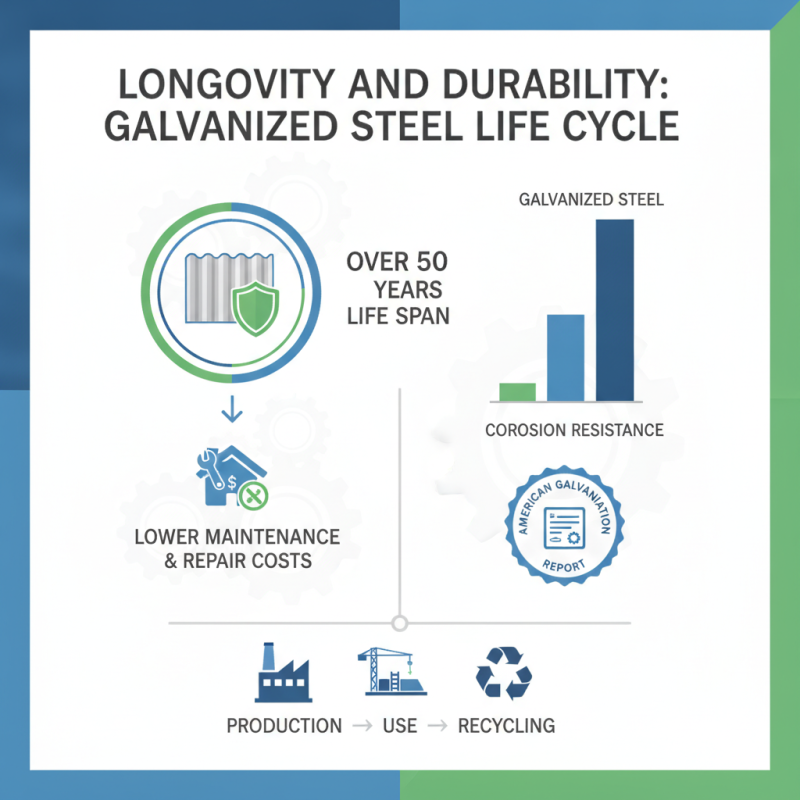
The protective zinc coating on galvanized steel prevents rust and deterioration. This coating ensures a lifespan that often exceeds 50 years. Studies have shown that galvanized steel has five to ten times the lifespan of ordinary steel. This means less frequent replacements and reduced long-term expenses. Additionally, galvanized sheets require less maintenance, making them ideal for various applications.
**Tips:** When selecting galvanized steel, check the thickness of the zinc layer. A thicker layer offers better protection. However, not all projects require the same level of protection. Reflect on the specific environment where the steel will be used. Coastal areas may require additional consideration due to humidity and salt exposure.
Cost-Effectiveness: Comparing Initial Costs vs. Maintenance Over Time
Galvanized corrugated steel sheets are increasingly popular in construction projects. Their cost-effectiveness shines through when evaluating initial costs versus long-term maintenance. Initial expenses may appear high, but the real savings come over time.
A report from the American Iron and Steel Institute indicates that galvanized steel can reduce maintenance costs by up to 50% compared to uncoated materials. This reduction results from the steel's enhanced resistance to corrosion. In many environments, this durability means fewer repairs and replacements are needed. Importantly, these sheets can last 50 years or more with minimal upkeep.
However, it is crucial to consider the installation process. Poor installation might lead to extra costs later. Additionally, while galvanized sheets are more durable than some alternatives, they can still be susceptible to damage under extreme conditions. Buyers should weigh these risks against the benefits of long-term savings and durability. Balancing upfront costs with maintenance needs is essential for informed decision-making.
Energy Efficiency: Thermal Properties of Galvanized Corrugated Steel
Galvanized corrugated steel sheet is well-known for its thermal properties. This material is excellent for energy efficiency in various applications. Its design enhances insulation, making indoor environments more comfortable. While it reflects sunlight effectively, reducing heat absorption, some users may overlook its thermal conductivity.
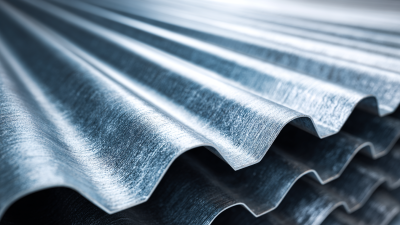
Consider how the ridges and valleys of the corrugated sheets trap air pockets. This can help maintain a more stable indoor temperature. However, not all installations achieve maximum benefit due to inadequate insulation layers. Buyers should consult with professionals to ensure proper installation techniques.
The longevity of galvanized steel is another appealing aspect. It resists corrosion, maintaining its thermal properties over time. Nevertheless, wear and tear can occur if not properly maintained. Buyers must remain vigilant and proactive in their upkeep efforts to fully enjoy the energy benefits.
Top 10 Benefits of Galvanized Corrugated Steel Sheet for Buyers
This chart illustrates the thermal properties and energy efficiency benefits of galvanized corrugated steel sheets. The data represents the thermal conductivity, thermal resistance, and reflectivity of galvanized steel compared to other materials.
Environmental Impact: Recycling and Sustainability of Steel Materials
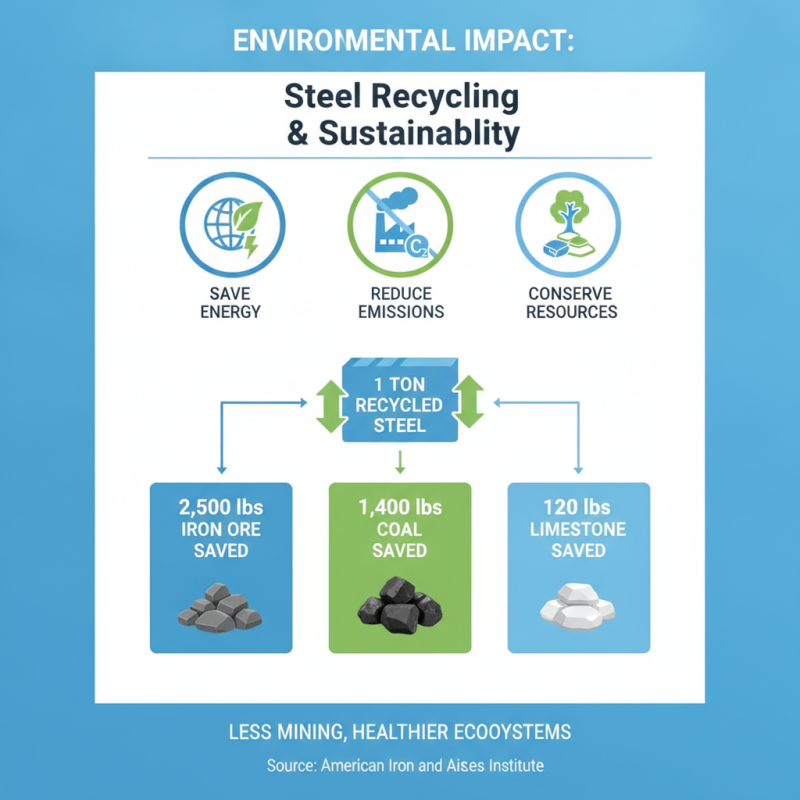
The environmental impact of galvanized corrugated steel sheets is significant. Recycling steel saves energy and reduces greenhouse gas emissions. According to the American Iron and Steel Institute, recycling one ton of steel can save 2,500 pounds of iron ore, 1,400 pounds of coal, and 120 pounds of limestone. This reduction translates to conserving natural resources and minimizing mining activities, which often devastate ecosystems.
Galvanized steel sheets are durable and resistant to rust. Their long lifespan means they need to be replaced less frequently, which further reduces the environmental footprint. The recycling process for steel is well-established, with approximately 88% of steel products being recyclable, as reported by the World Steel Association. However, the challenge lies in ensuring that materials are properly collected and processed. Improper disposal can lead to waste, countering the benefits of recycling.
While the advantages are clear, there remain areas for improvement. Not all regions have efficient recycling systems in place. Education about the lifespan and recyclability of galvanized steel is crucial. Increasing awareness can boost recycling rates and enhance sustainability efforts within the construction and manufacturing industries.