How to Choose the Right Galvanized Steel Sheet for Your Project?
Choosing the right galvanized steel sheet for a project can significantly influence its outcome. Galvanized steel sheets provide excellent corrosion resistance. According to a report by the American Galvanizers Association, they can last up to 70 years in certain environments. This durability makes them an attractive option for construction and manufacturing.
When selecting galvanized steel sheets, consider the thickness, coating weight, and intended application. The coating weight affects corrosion protection. A higher weight often translates to better longevity. However, thicker sheets may not always be necessary. Each project has unique requirements that should not be overlooked.
Additionally, it’s essential to understand the manufacturing process. Not all galvanized sheets are created equal. Variability in quality can affect performance. Some products may lack compliance with industry standards. Conducting thorough research and seeking expert advice can mitigate potential risks and mistakes. Ultimately, selecting the right galvanized steel sheet requires careful consideration and a strategic approach.
Factors to Consider When Selecting Galvanized Steel Sheets
When selecting galvanized steel sheets for your project, several factors are crucial. First, consider the thickness of the sheet. Thicker sheets offer better strength but may be harder to work with. Understand the specific requirements of your project. Is flexibility needed? Thin sheets may be beneficial here.
Next, examine the coating weight. A heavier zinc coating provides better corrosion resistance, which is essential for outdoor applications. Evaluate the environment where the steel will be used. Factors like moisture and environmental pollutants can shorten the life of the sheet.
Surface finish is another consideration. Different finishes can affect the sheet's appearance and performance. Some projects may not require a clean look, while others do. Reflect on your project's aesthetic needs and structural requirements. Remember, it’s easy to overlook these details, leading to potential project challenges. Seeking professional advice can provide insights and help avoid costly mistakes.
Understanding Different Grades of Galvanized Steel and Their Applications
When selecting a galvanized steel sheet, understanding the various grades is crucial. Each grade offers distinct properties suitable for specific applications. For instance, G90 is commonly used for roofing and siding due to its excellent corrosion resistance. This makes it ideal for outdoor structures. However, it may not be suitable for high-stress environments.
Another popular grade is G60. It provides a balance between cost and durability, often utilized in indoor applications like automotive parts. Despite its versatility, it may face limitations in harsh conditions. Always consider the environment when choosing a grade. A deeper understanding of these differences is essential.
It’s essential to reflect on the specific needs of your project. Not every grade is perfect for every situation. Some projects might benefit from higher grades, while others may require a more budget-friendly option. Balancing performance and price can be challenging, but it is crucial for project success. Conducting thorough research will ensure you make an informed decision.
Comparison of Different Grades of Galvanized Steel Sheets
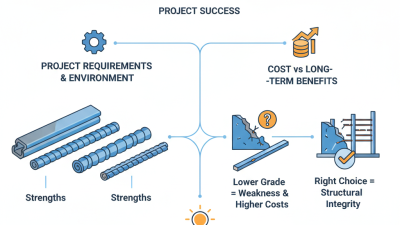
This chart illustrates the tensile strength of different grades of galvanized steel sheets. Selecting the appropriate grade is crucial for the success of your project, ensuring durability and effectiveness in various applications.
Thickness and Weight of Galvanized Steel Sheets: An Overview
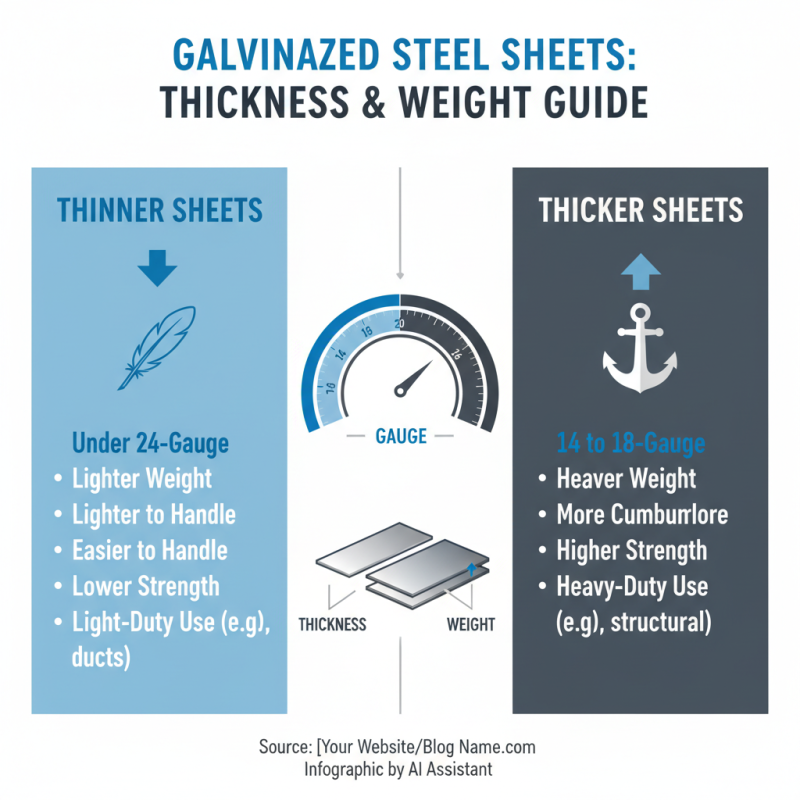
When selecting galvanized steel sheets for your project, understanding thickness and weight is essential. The sheet's gauge directly affects its strength and durability. Thinner sheets, like those under 24-gauge, are lighter and easier to handle. However, they may not provide the structural integrity required for heavy-duty applications. Thicker sheets, ranging from 14-gauge to 18-gauge, offer significant strength but are more cumbersome.
Weight is another critical factor. A heavier sheet often indicates increased thickness, enhancing its load-bearing capability. For structural uses, selecting a heavier sheet may be wise. However, consider the handling logistics; lifting heavy sheets can strain workers. It's vital to strike a balance between weight, strength, and ease of use.
Additionally, project requirements can vary. Different applications demand specific thicknesses. For roofing, a thinner sheet may suffice, while a framework may need a robust thickness. Reflecting on your project’s needs can help ensure appropriate selection. Each decision impacts not only the structure’s integrity but also overall costs and efficiency.
Corrosion Resistance Ratings and Their Importance for Your Project
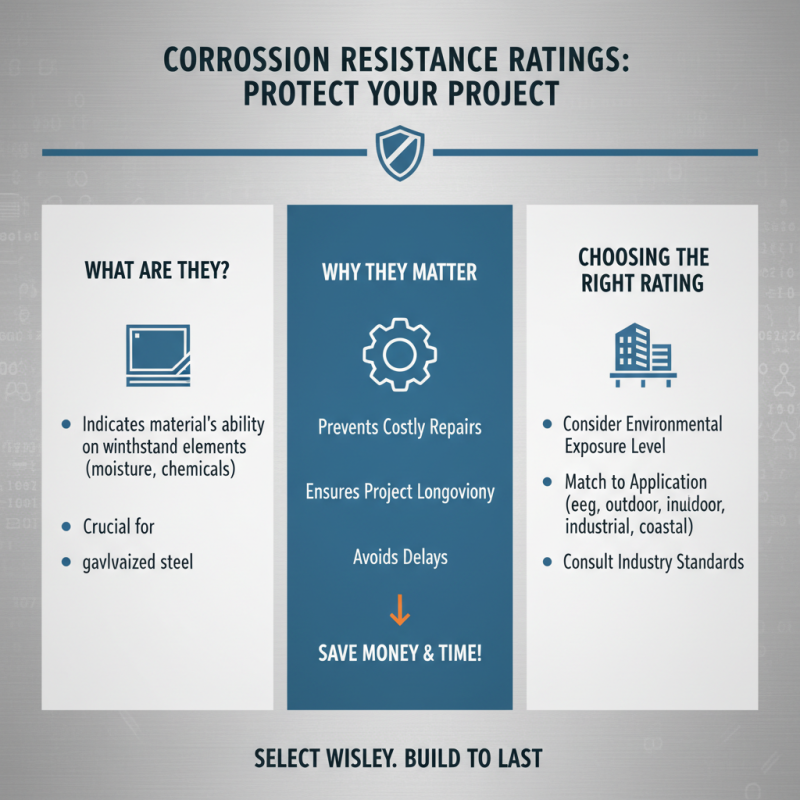
When selecting a galvanized steel sheet for any project, understanding corrosion resistance ratings is crucial. These ratings indicate how well the material will withstand the elements. Different applications have varying exposure levels to moisture, chemicals, and other corrosive factors. Thus, picking the right rating can prevent costly repairs down the line.
Some common ratings include G60, G90, and G140. A G90 sheet, for example, offers more protection than a G60 sheet. This distinction is vital when planning your project. Assess the environment where your steel will be used. If it’s in high-humidity areas or coastal regions, higher ratings are often necessary.
**Tip:** Always consider environmental factors. Before purchasing, check local weather conditions specific to your project.
Another consideration is how the steel will be finished. Protective coatings can further enhance corrosion resistance. Yet, if not applied properly, they may wear off quickly. Understanding the synergy between the type of galvanized steel and its protective layers can ensure longevity.
**Tip:** Research different finishes available. Some may seem appealing but lack real-world performance.
Ultimately, while general ratings provide a framework, reflect on your specific needs. Relying solely on numbers may overlook critical aspects of your project. Balancing corrosion resistance with other factors ensures a successful, durable application.
Cost Analysis: Budgeting for Galvanized Steel Sheet Procurement
When budgeting for galvanized steel sheet procurement, consider various factors that impact overall costs. The type, thickness, and quality of the steel directly influence the price. For example, heavier sheets may cost more but offer better durability. It’s essential to balance your budget with the necessary specifications.
Tip: Research local suppliers. Prices can vary significantly based on region and availability. Don’t overlook shipping costs, as they can add to your budget unexpectedly. Involving multiple suppliers in your procurement process might yield better deals.
Also, allocate a portion of your budget for unexpected expenses. Projects often encounter unforeseen challenges. For instance, if you miscalculate your material needs, it could lead to last-minute purchases at higher prices.
Tip: Always review your project needs and adjust your budget accordingly. A clear plan can prevent overspending. By anticipating these costs, you can make more informed decisions about which materials best fit your needs.
How to Choose the Right Galvanized Steel Sheet for Your Project? - Cost Analysis: Budgeting for Galvanized Steel Sheet Procurement
| Specification |
Dimensions (mm) |
Thickness (mm) |
Cost per Sheet ($) |
Quantity Available |
Total Cost ($) |
| Standard Galvanized Sheet |
2000 x 1000 |
0.8 |
50 |
100 |
5000 |
| Heavy Duty Galvanized Sheet |
2500 x 1250 |
1.2 |
80 |
50 |
4000 |
| Lightweight Galvanized Sheet |
3000 x 1500 |
0.5 |
30 |
200 |
6000 |
| Corrosion-Resistant Galvanized Sheet |
1800 x 900 |
1.0 |
65 |
75 |
4875 |