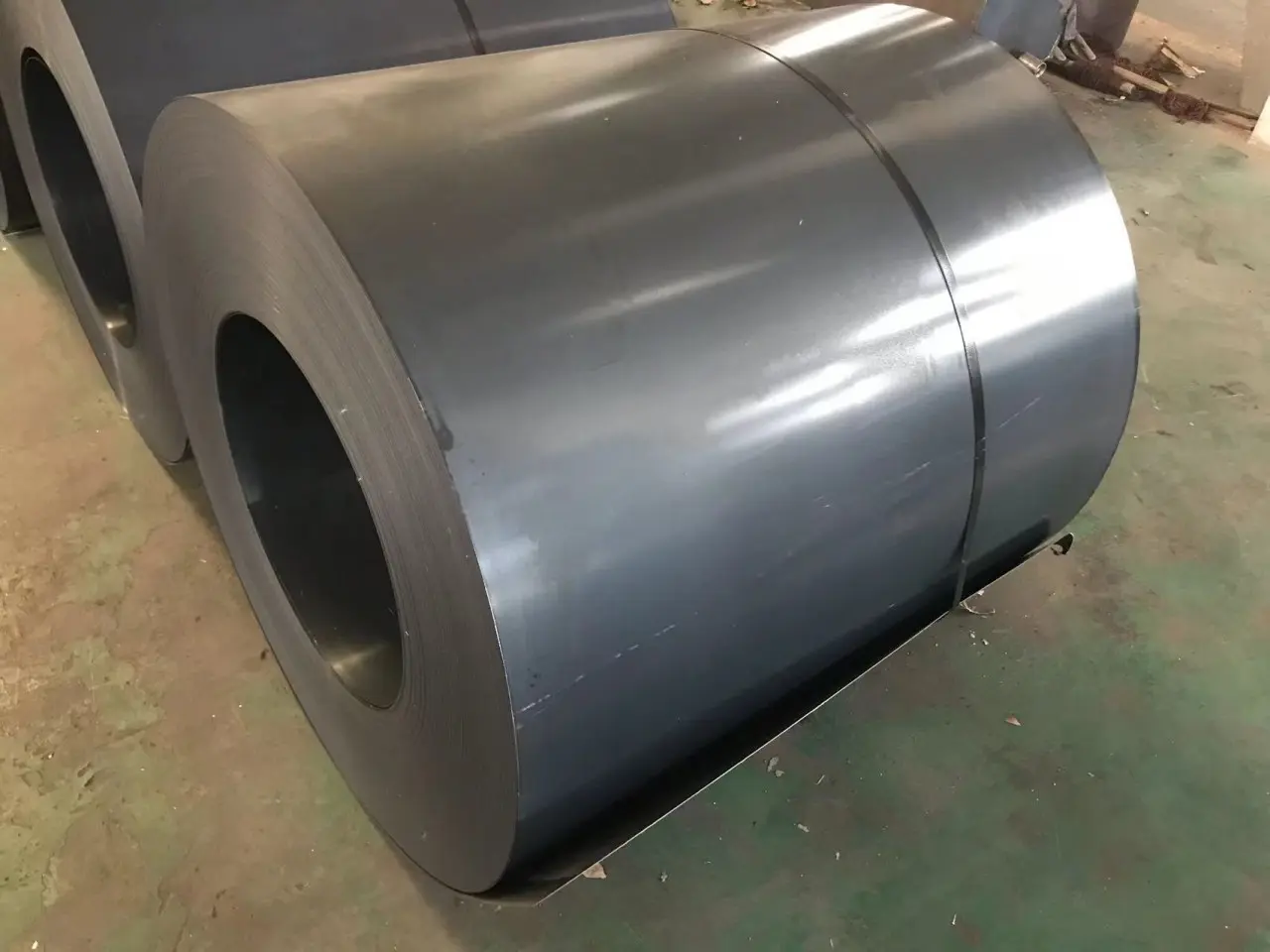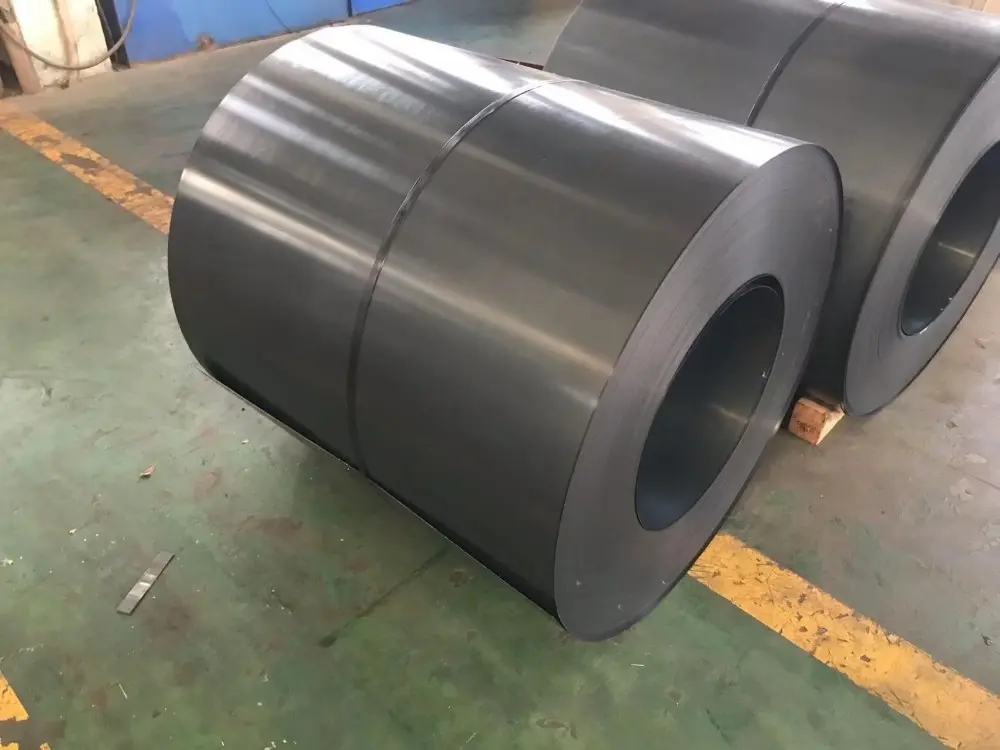
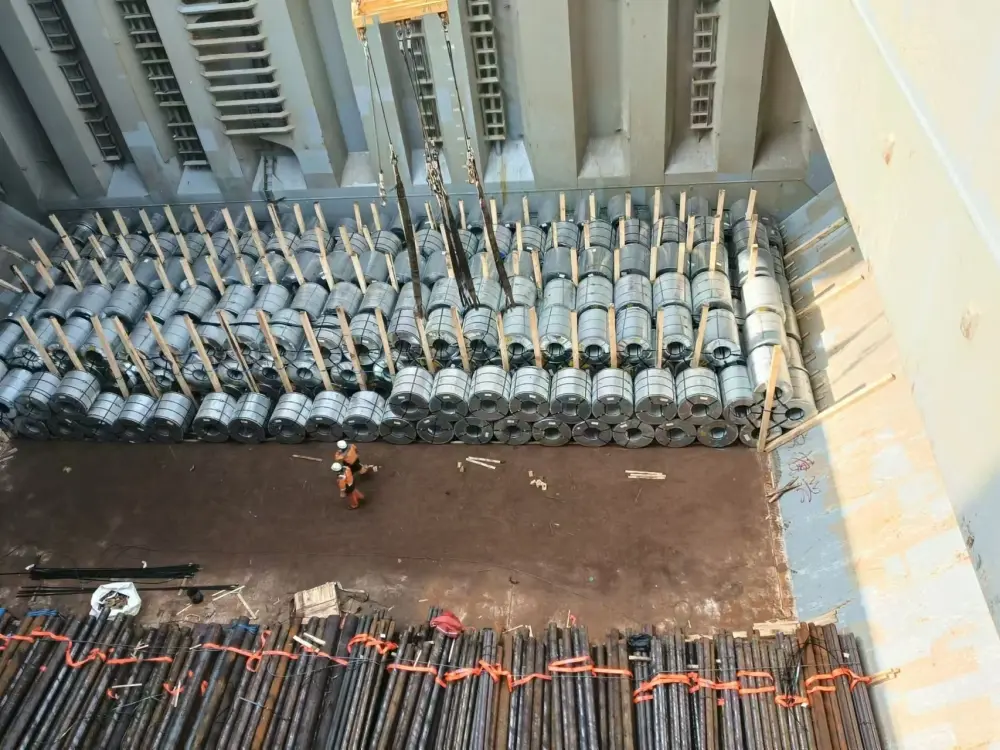
Why cold-rolled steel coils need pickling? What should be done if cold-rolled steel coils rust? How to perform pickling treatment on cold-rolled steel coils?
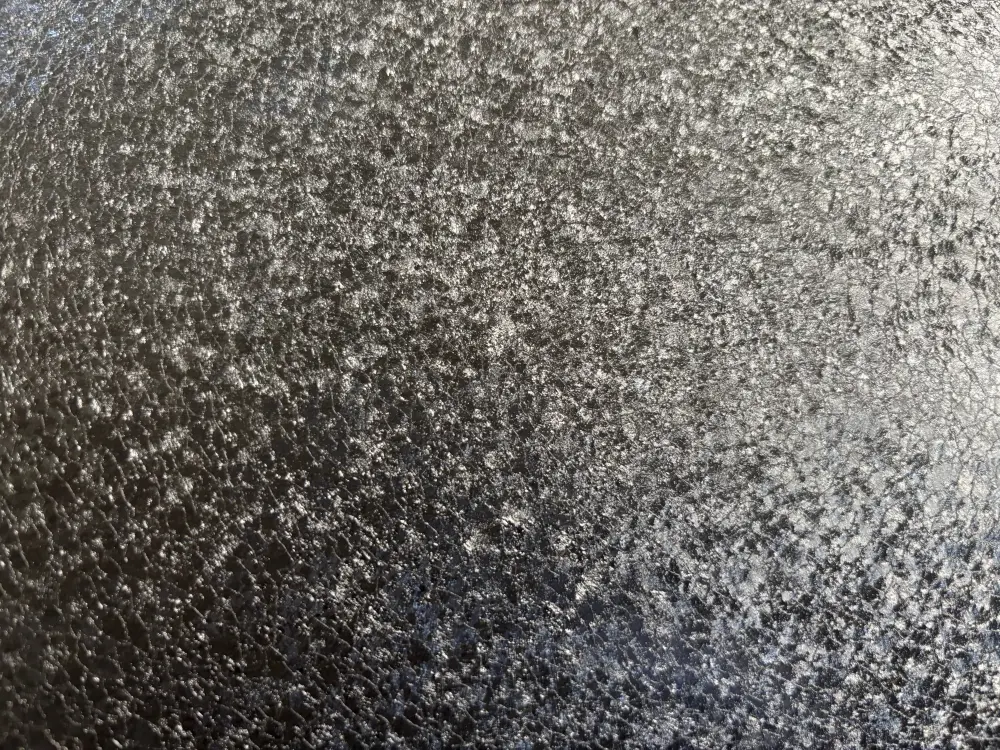
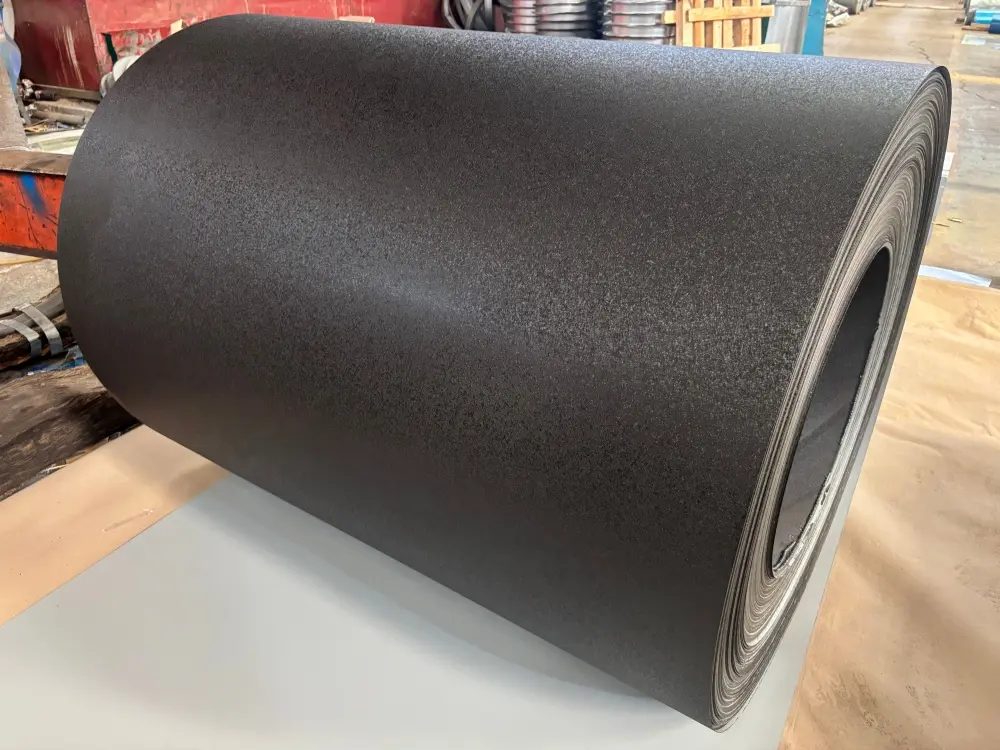
Cold-rolled steel coils are typically thin, thus requiring high surface quality. Their raw material is hot-rolled steel coil,which undergoes severe oxidation during transportation, especially after long-term storage. Pickling removes surface defects such as scale and rust, resulting in a smooth and clean surface.
1. Prevents steel breakage and sticking during the rolling process.
2. Prevents steel sticking during the rolling process, resulting in a smooth surface free of black spots and rust, thus reducing the production of defective products.
Currently, environmentally compliant companies choose organic acid rust removers instead of sulfuric acid and hydrochloric acid for pickling cold-rolled steel. This method avoids excessive corrosion of the cold-rolled steel surface, ensuring the environmental friendliness and safety of the clean metal surface.
Rust prevention treatment for cold-rolled Steel Coils typically involves surface oiling and rust-preventive packaging:
After pickling and passivation treatment and thorough surface cleaning, cold-rolled steel is immediately coated or immersed in rust-preventive oil. After the anti-rust layer dries, tightly wrap it with anti-rust paper reinforced with corrugated steel wire to prevent rusting during transportation and storage.