What are the differences between PPGI and PPGL sheets?
The main difference lies in the coating of the substrate (base material).
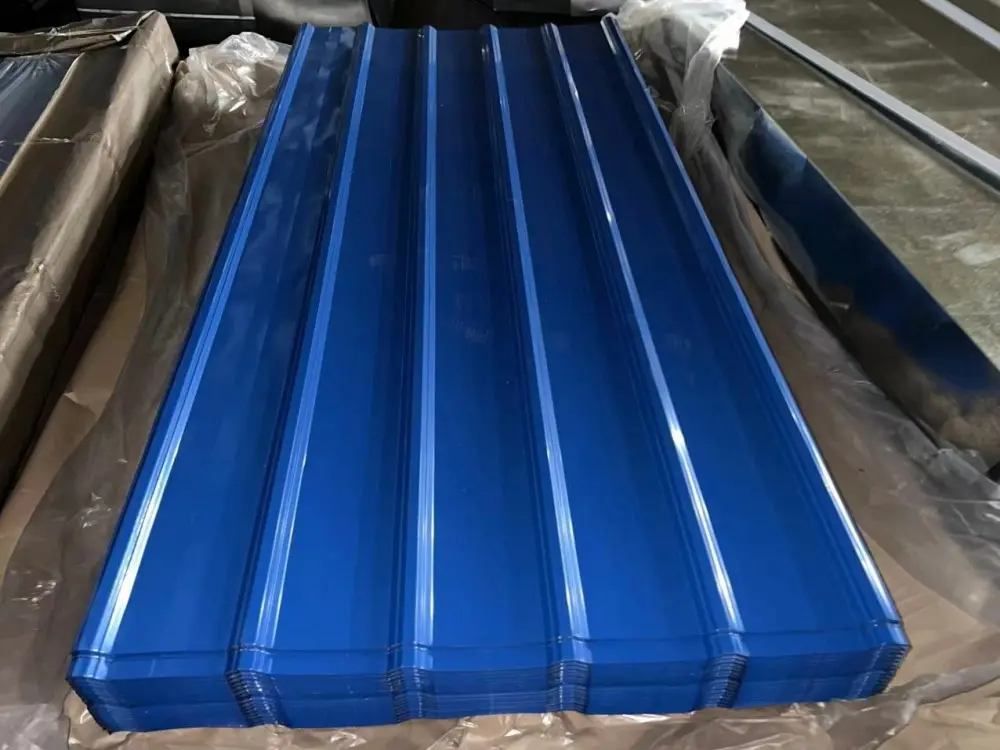
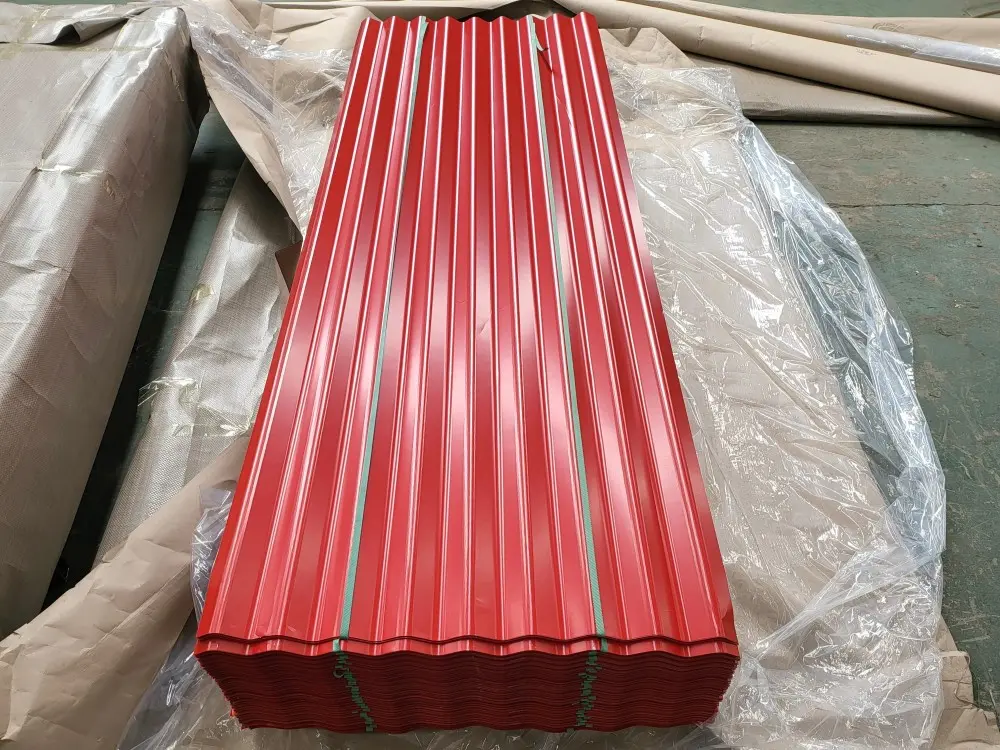
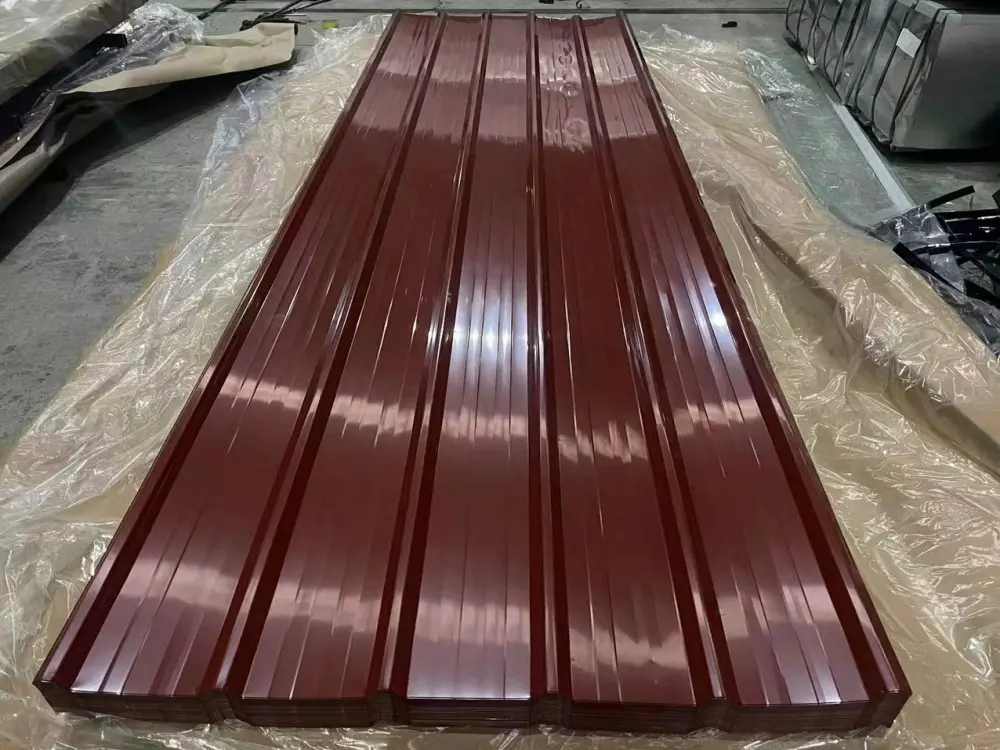
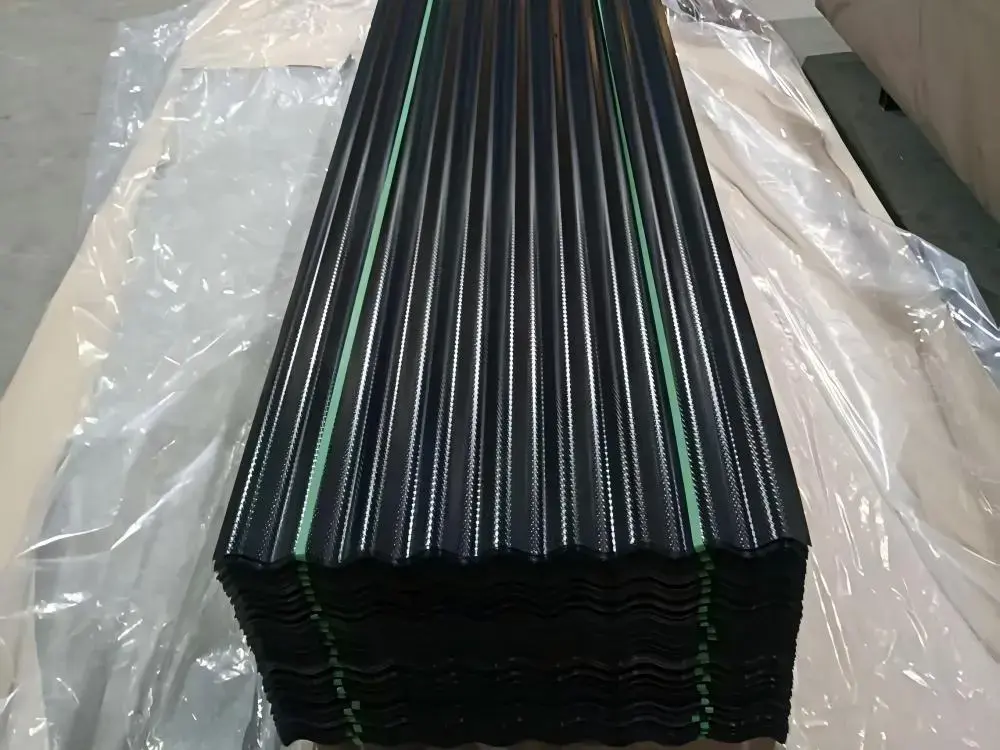
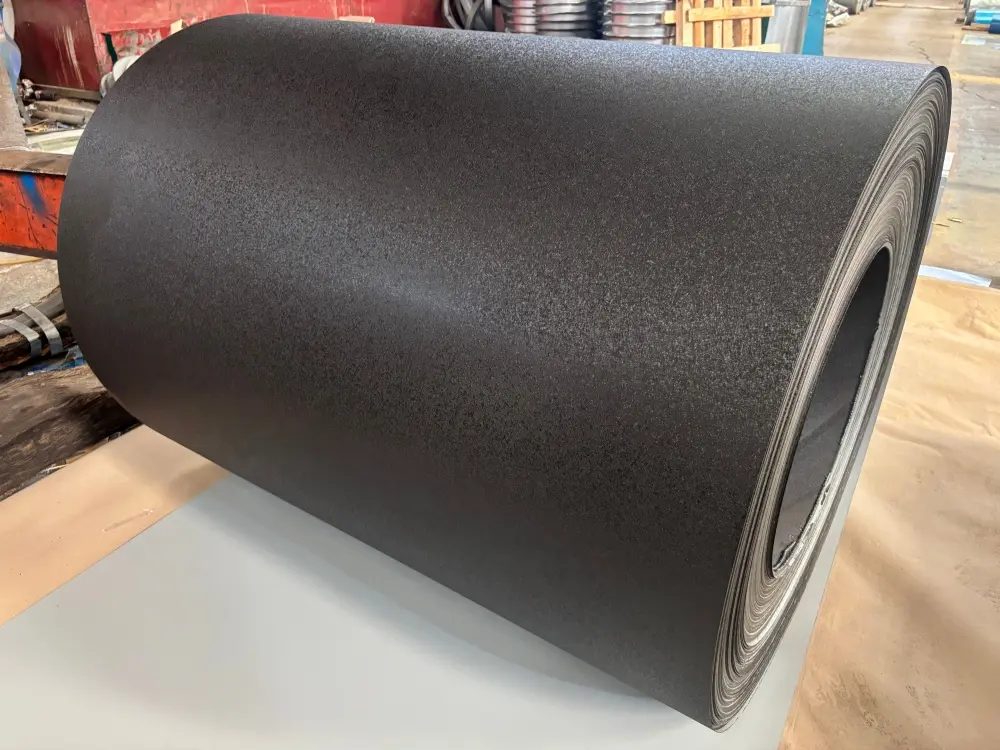
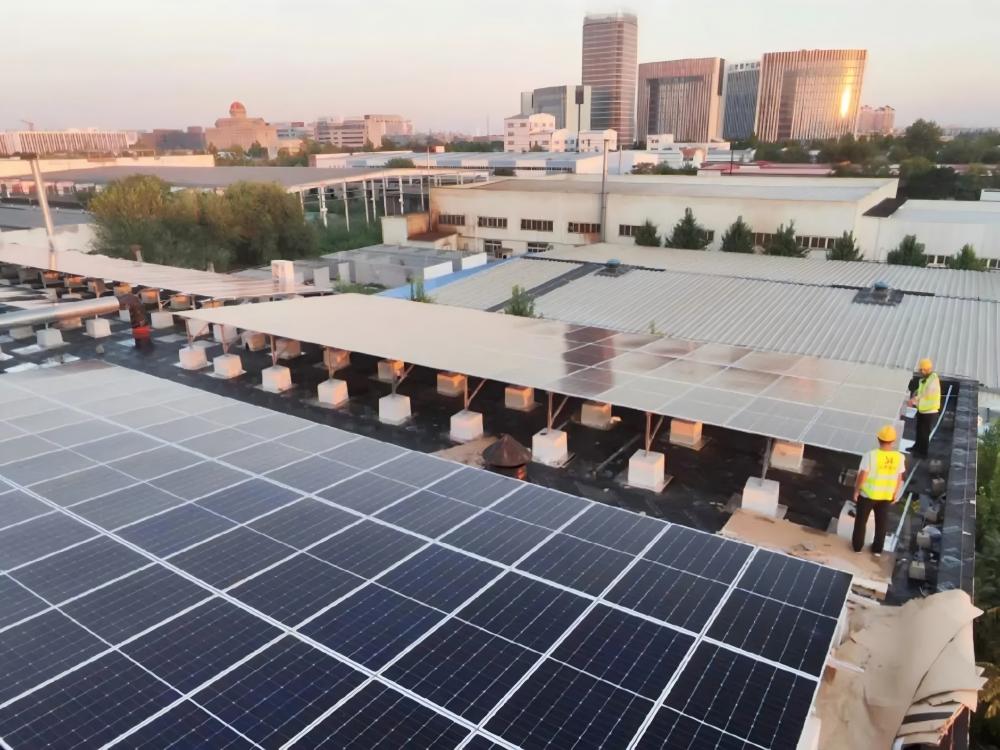
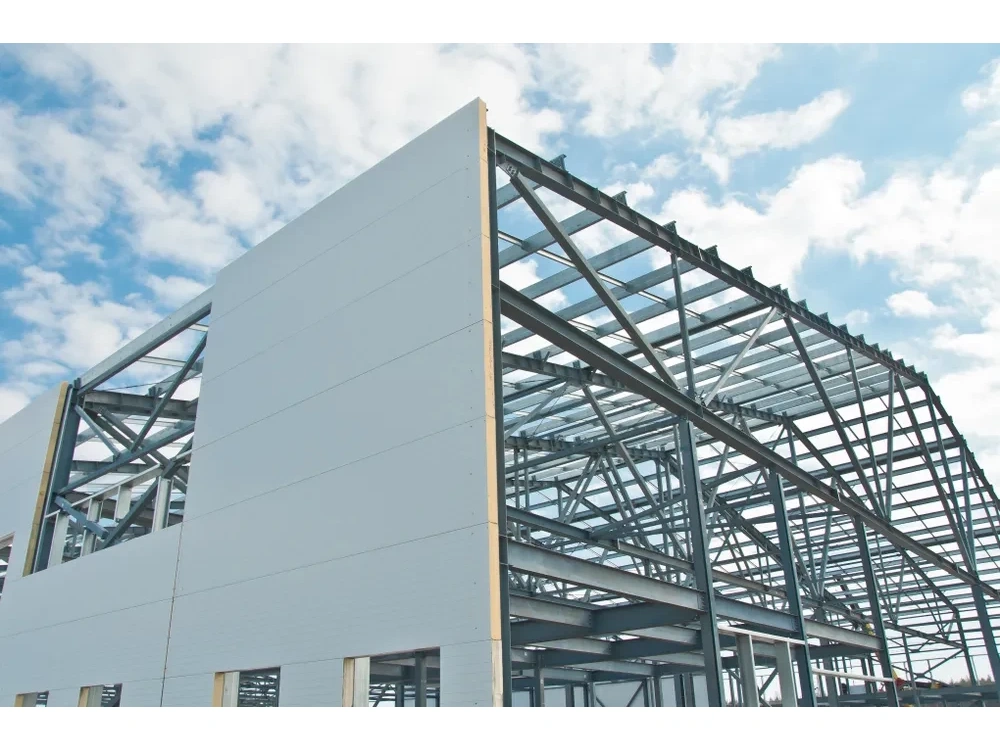
PPGI's substrate isgalvanized steel sheet. Its zinc coating has a bright white, snowflake-like crystalline appearance, good corrosion resistance, and moderate heat resistance. Long-term use temperature should not exceed 230℃. Zinc has a low melting point and relatively soft surface hardness, making it prone to scratches. It is the most widely used color-coated Steel Sheet due to its lower cost. Its main applications include building roofs/walls (in non-highly corrosive environments), appliance housings, general partitions, and warehousing.
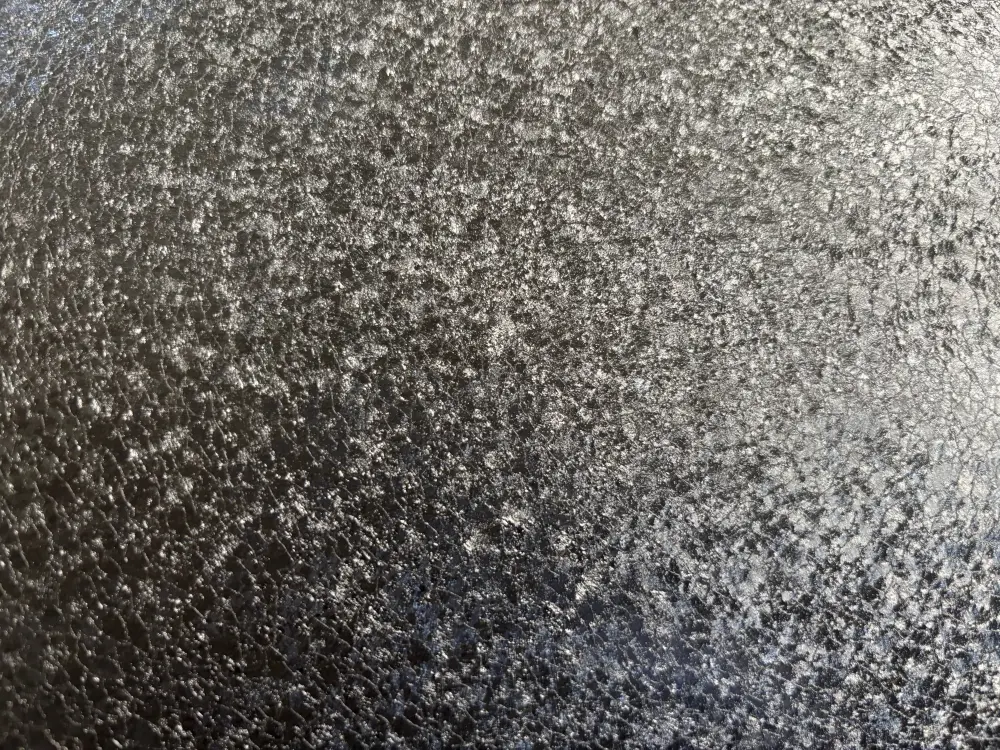
PPGL's substrate is made of aluminized zinc-coated steel sheet with a unique bright silver fish-scale or crackled surface coating. Its corrosion resistance is approximately 2-6 times that of ordinary zinc plating. A dense alumina protective film forms on the surface, providing both barrier protection and sacrificial anode protection. It can be used long-term at temperatures up to 315℃ and can withstand short-term temperatures up to 480℃. Aluminum has a high melting point and can prevent rapid oxidation of zinc. It is relatively hard, has better wear resistance and scratch resistance, and is more expensive. However, due to its longer lifespan, the total lifespan cost may be lower. It is mainly used in high-standard buildings (coastal areas, high humidity, high-pollution industrial areas), high-temperature applications (ovens, chimney interiors), and applications with high lifespan requirements.