

UAE Becomes Middle East Solar Hub, Chinese Exporters Broaden Overseas Channels Through Free Trade Zones
In recent years, relying on its superior geographical location, loose trade policies and clear green transformation goals, the UAE has rapidly emerged as a solar industry hub in the Middle East. The Masdar Zero-Carbon Free Trade Zone built by it has become a core springboard for global solar enterprises to layout the Middle East and African markets. Against this background, Chinese solar exporters have taken advantage of the policy dividends of the UAE free trade zones to optimize their overseas layout and further broaden their export channels to the Middle East and African markets.
As an energy hub and trade center in the Middle East, the UAE has introduced a series of supportive policies for the solar industry to provide convenience for solar enterprises. In core free trade zones such as Masdar, resident enterprises can enjoy a full tax exemption for up to 15 years, with no corporate income tax, value-added tax or personal income tax. At the same time, 100% foreign ownership is allowed, and goods can enter and exit freely with no customs duties, which greatly reduces the operation and logistics costs of Chinese solar exporters. In addition, located at the intersection of Asia, Africa and Europe, the UAE can efficiently radiate emerging solar markets such as the Middle East and Africa relying on its improved port logistics system, shortening the delivery cycle.
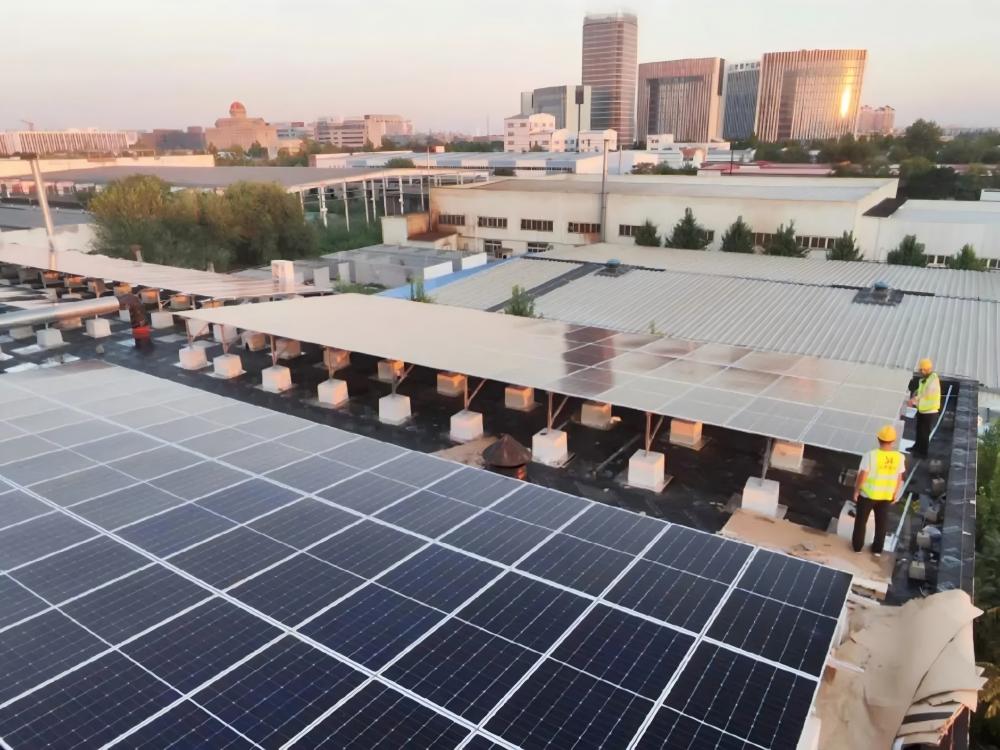
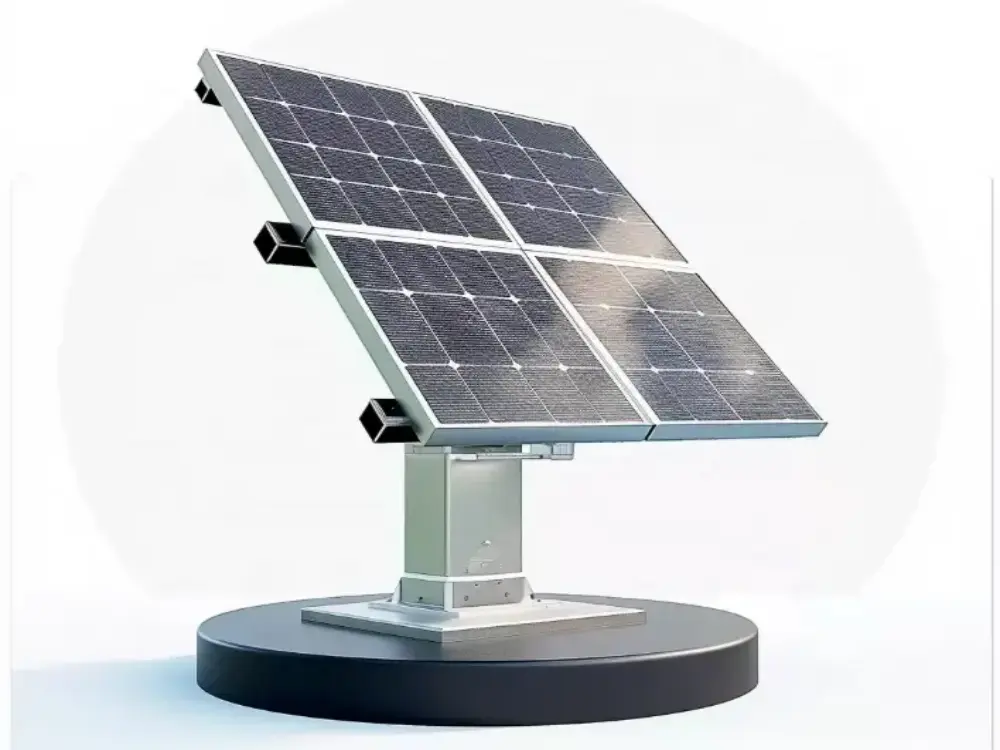
In response to the demand characteristics of the UAE and surrounding markets, Chinese solar exporters have optimized their product portfolios, focusing on supplying high-efficiency solar modules and distributed solar systems adapted to high-temperature and high-sunshine environments. At the same time, they provide full-process export services, including compliance verification, document preparation, and logistics coordination, to help overseas customers efficiently connect with the local market. At present, Chinese solar products have been widely involved in various solar projects in the UAE, from large-scale ground-mounted power stations to household distributed solar energy, all of which can see the presence of Chinese exported products.
A relevant person in charge of a Chinese solar export enterprise said that the UAE free trade zones provide important opportunities for Chinese solar products to go global. With this platform, enterprises can not only reduce operating costs but also better connect with the policies and demands of the Middle East and African markets. In the future, Chinese exporters will continue to deepen cooperation with local partners in the UAE, rely on the advantages of China's mature solar supply chain, provide cost-effective and highly adaptable products and services, promote the in-depth integration of Chinese solar energy with the Middle East and African markets, and share the dividends of the global energy transition.