
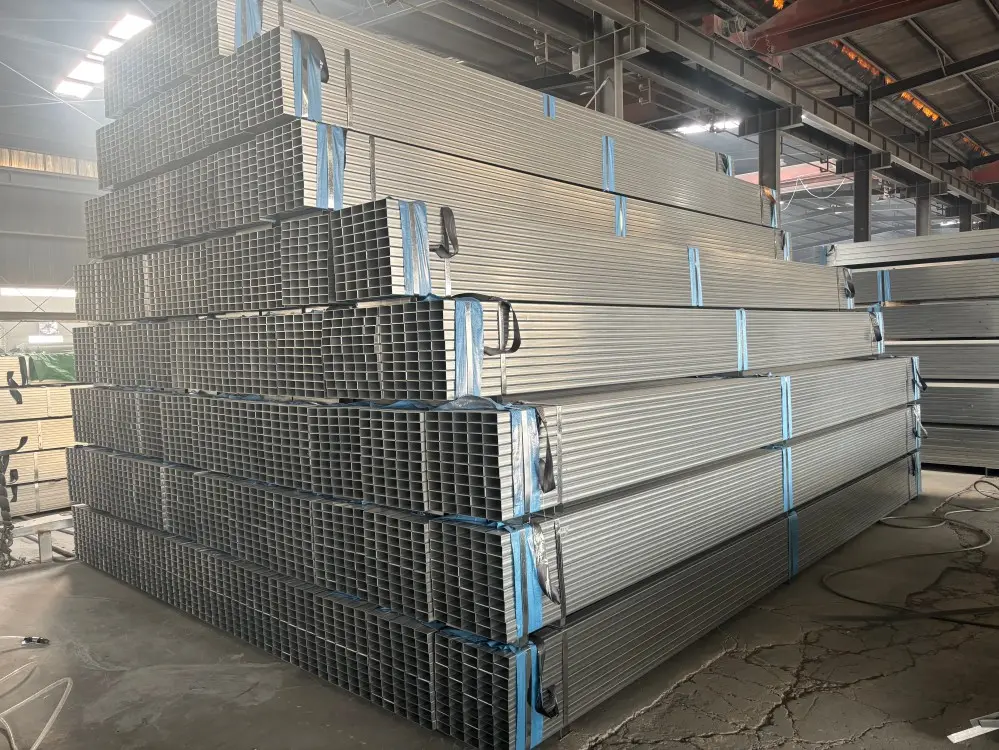

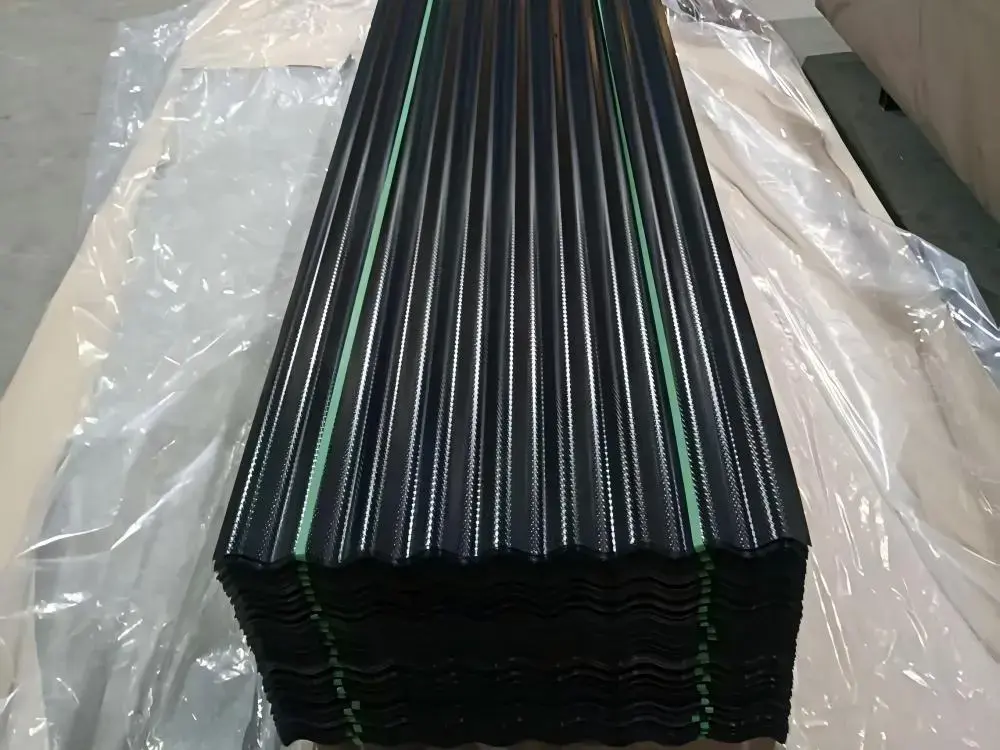
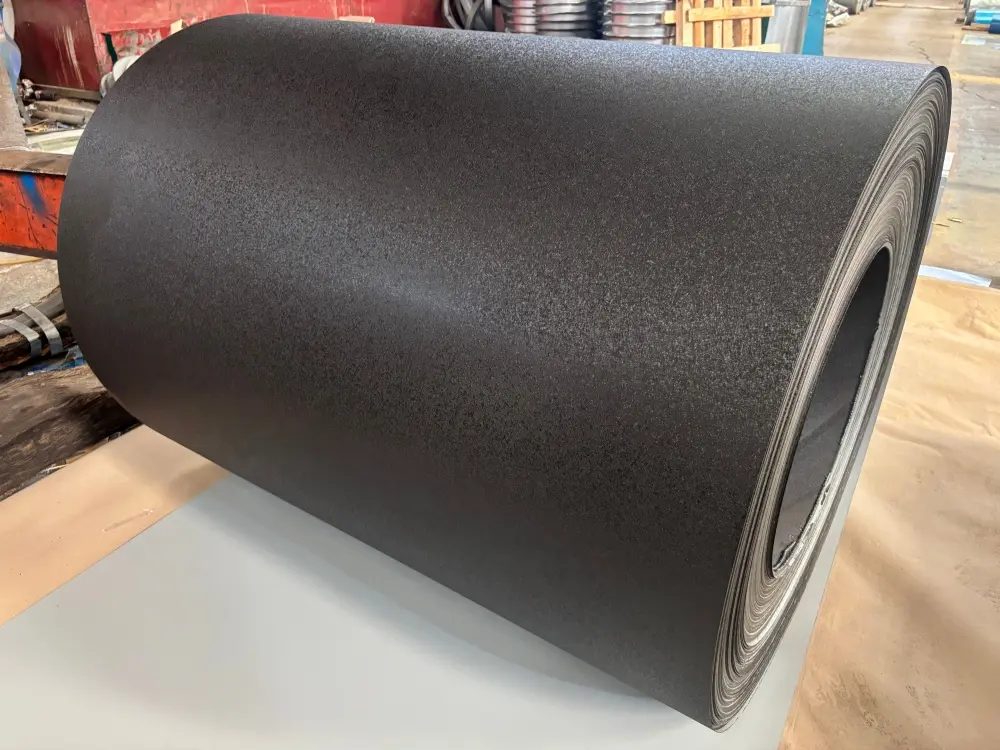

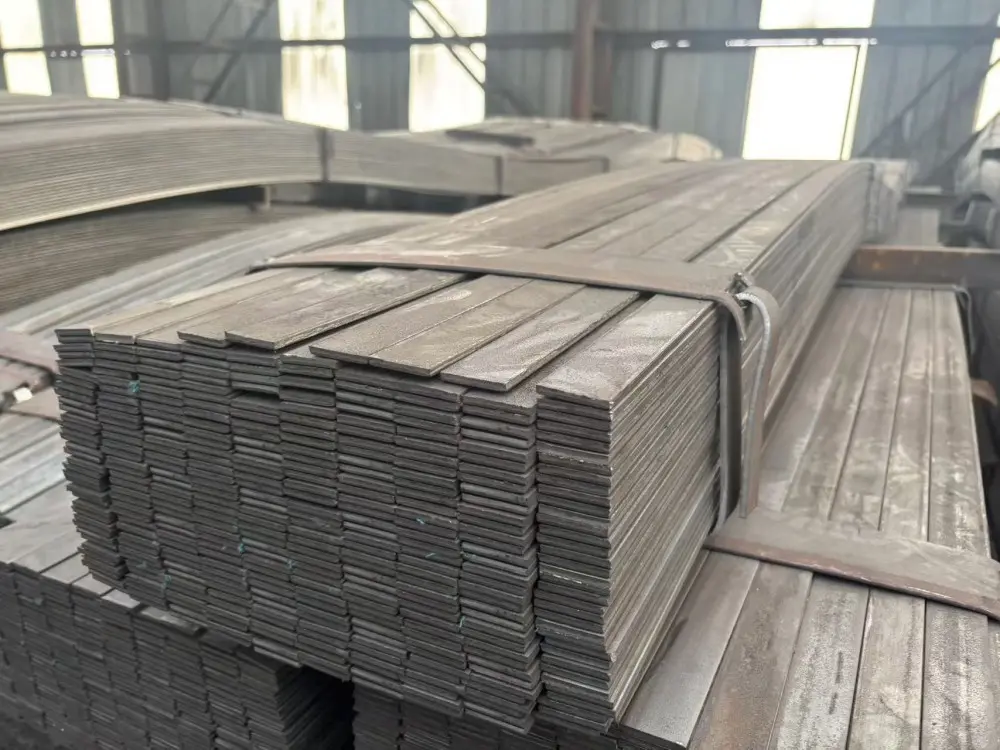

The steel market is expected to fluctuate with a slightly weaker trend in January.
In 2025, domestic steel prices are expected to decline, a trend that may continue into January. The supply-demand balance in the domestic steel market is projected to remain weak. However, supported by policies and costs, steel prices are expected to remain relatively resilient and not experience a significant drop.
From a supply perspective, limited supply growth in January will help alleviate the supply-demand imbalance. At the end of the year and the beginning of the new year, steel companies will increase their year-end maintenance efforts, leading to a corresponding decrease in steel production. Steel output in January will remain relatively low, with limited market supply, which will support steel prices.
From a demand perspective, the market will remain in the off-season in January, with weak downstream demand. Considering the later Spring Festival in 2026, winter and pre-holiday inventories are expected to be released in mid-to-late January, which may drive a slight increase in steel prices.
From a policy perspective, the export license management system for some steel products officially came into effect on January 1st. This will have multifaceted impacts on the steel market, including supply and demand, price trends, corporate behavior, and international trade. The implementation of this policy will lead to a reduction in low-end steel exports, which may exacerbate the supply-demand imbalance to some extent in the short term. However, in the long run, it will help regulate steel export behavior. Steel companies are advised to respond to this policy as soon as possible and make corresponding adjustments.