



01
The improvement in demand has fallen short of expectations and the price of rebar in September may first decline and then rise
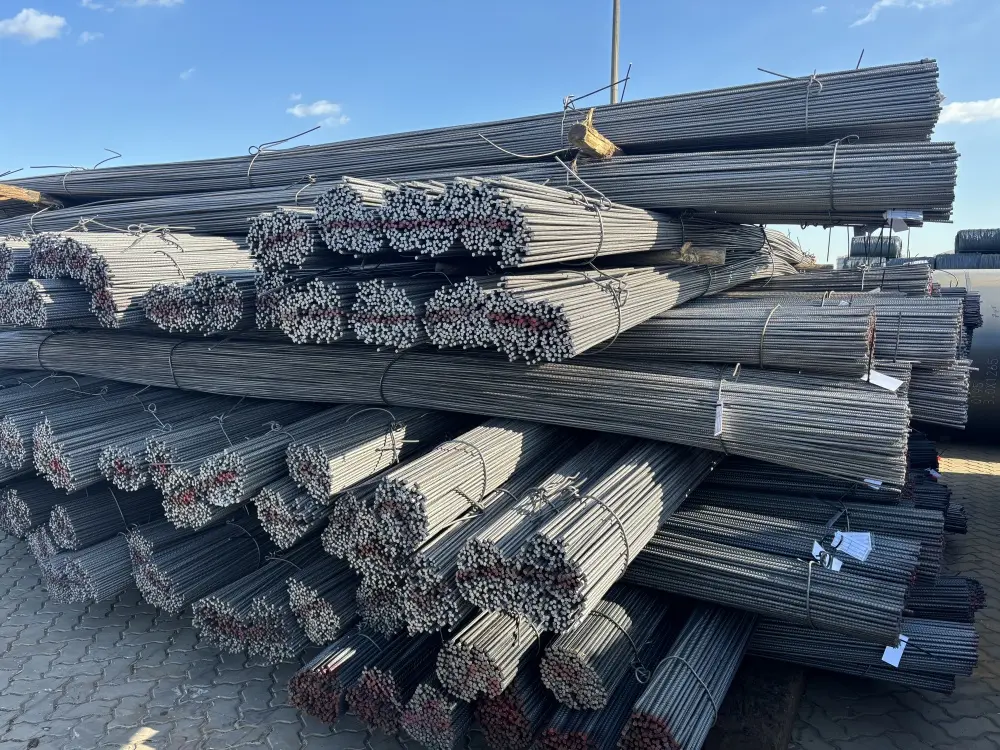
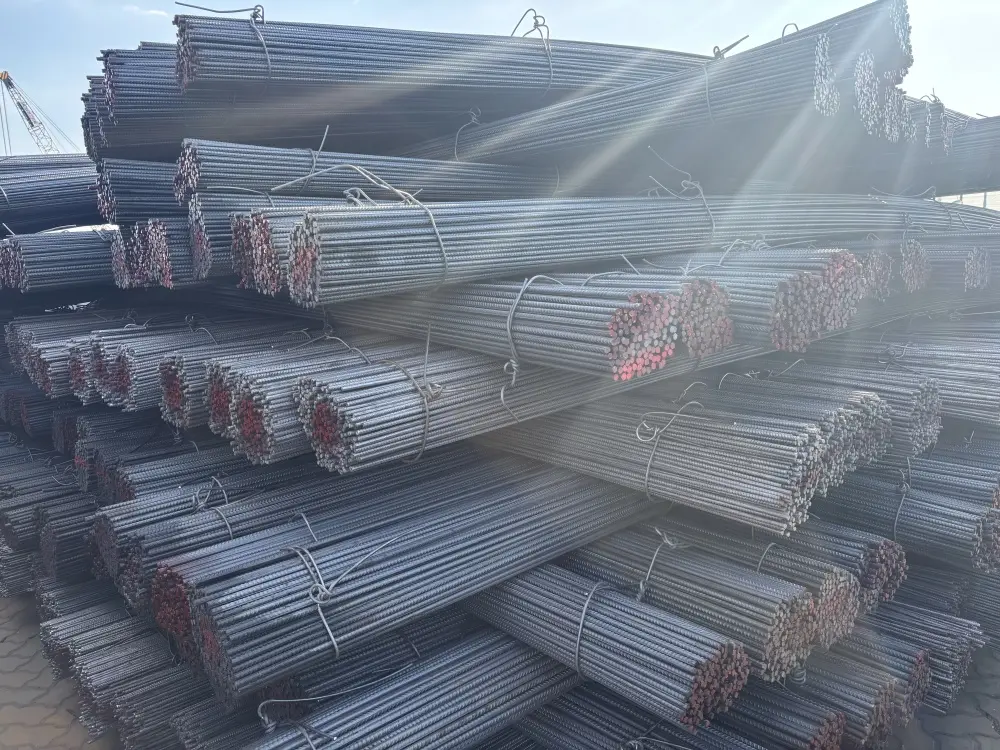
After a significant rebound in July, the futures and spot prices of Rebar have shown a one-sided downward trend since August. As of the first week of September (September 1st - 5th, the same below), the price of the main contract of rebar futures dropped by 114 yuan per ton compared with the beginning of August, and the spot price in East China fell by 130 yuan per ton. Regarding the price trend of rebar after September, although the improvement in demand is not as expected, it may show a pattern of first decline and then rise. Main logical analysis of the rebar market since August The significant rebound in rebar prices in July was mainly driven by expectations of "anti-involution" policies. After August, it returned to fundamental logic. Since late July, the inventory of rebar has risen month-on-month for six consecutive weeks, with a cumulative increase of 1.0141 million tons. Moreover, it has seen year-on-year growth for two consecutive weeks in the last week of August and the first week of September, with growth rates of 276,800 tons and 843,700 tons respectively. Meanwhile, after entering August, coal mines began to gradually resume production, and the upstream inventory pressure rose again, causing the cost line of rebar to drop temporarily. Demand improvement during the peak season in September may fall short of expectations After September, the traditional peak season for construction steel consumption will begin. However, considering the current fundamental data, the improvement in demand during the peak season may fall short of expectations. The downstream demand for rebar mainly comes from the real estate and infrastructure industries. Real estate sales continued to weaken in July, and other indicators also declined to varying degrees. The inventory reduction cycle of broad commercial housing has also risen again to over 40 months. Although real estate policies have been continuously strengthened, they mainly focus on reducing the inventory of the real estate sector, and their actual stimulating effect on the consumption of construction steel is limited. Infrastructure investment witnessed its first year-on-year decline in a single month in July. Given that the PMI (Purchasing Managers' Index) for the construction industry in August once again dropped below the boom-bust line, and the absolute value was the lowest since the beginning of this year. The operating rates of asphalt and concrete, which are leading indicators in the infrastructure industry, have also declined to varying degrees. The average operating rate of asphalt plants in August was 31.17%, and it was 28.1% in the first week of September. The average capacity utilization rate of concrete in August was 6.86%, and it was 6.6% in the first week of September. High position orders will still suppress the price of the near-month contract After August, the decline in the futures price of rebar was significantly greater than that of the spot price. The discount of the main contract's realized goods reached as high as 187 yuan per ton, and it remained around 100 yuan per ton at the beginning of September. The futures and spot direct hedging positions may enter the stage of profit realization. In August, the inventory of steel billets in Tangshan, Hebei Province, declined for two consecutive weeks, which indirectly validates the author's conclusion. From the end of August to the beginning of September, due to the phased shutdown of billet and rolling enterprises in the northern region, the inventory of steel billets has accumulated for two consecutive weeks and is approaching the inventory peak of 2024. According to the author's understanding, 70% of this part of the inventory is in cash position. It is expected that after September, this part of the inventory will gradually realize profits, further intensifying the selling pressure in the spot market. Meanwhile, the main contract of rebar futures has completed the rollover of positions, but due to weak demand, the delivery volume remains relatively high. At present, the volume of warehouse receipts on the exchange has reached 230,000 tons, which is at a high level in the same period of history. This has exerted considerable pressure on the near-month contract and also led to a weakening of the far-month contract. It is expected that the volume of warehouse receipts may still increase further before October. At the current profit level The supply of rebar in the fourth quarter may rise first and then fall The production restrictions in North China in early September led to a temporary decline in steel supply. In the first week of September, the average daily output of molten iron from blast furnaces at 247 steel mills across the country dropped by 112,900 tons compared with the previous week. However, this decline was mainly contributed by hot-Rolled Coil, with the output of rebar decreasing by only 18,800 tons compared with the previous week. Given that the profit margin of 247 steel mills across the country remains above 60%, and according to the author's understanding, the period of this phased production restriction is relatively short. It is expected that long-process steel mills will most likely resume production starting from the second week of September. However, it should be noted that due to the two major expectations of weak demand and the resumption of production by steel mills, the profits of steel mills continued to be compressed in August. The spot and market profits of rebar have both been compressed to near the break-even point, at 95 yuan per ton and 26 yuan per ton respectively. If profits continue to be compressed in the future, steel mills' willingness to voluntarily cut production will increase. After the end of September Strong expectations may once again become the dominant factor in the market Based on the previous analysis, before the end of September, the rebar market was still dominated by weak fundamentals, including the demand during the peak season falling short of expectations and the phased recovery of supply. However, after late September, it may once again switch to a strong expectation logic. On the one hand, in August, the number of new non-farm payrolls in the United States was only 22,000, and the unemployment rate rebounded to 4.3%. It is basically certain that the Federal Reserve will cut interest rates in September. Once this expectation is realized, the space for domestic monetary policy may also be further expanded. On the other hand, before the end of this year, a series of important domestic meetings will be held, and policies related to "anti-involution" may also be further strengthened. If the supply-side regulatory policies are further upgraded, the price of rebar may return to an upward trend at that time. Based on the above analysis, the improvement in demand during the peak season in September may fall short of expectations. The market is still suppressed by high warehouse orders. Coupled with the temporary recovery in supply, there is still a possibility of fluctuations in the price of rebar. However, in late September, the main logic of the rebar market may shift towards strong expectations. Moreover, it is not ruled out that there will be policy-based production control in the fourth quarter. Also, as the profits of steel mills continue to be compressed, their willingness to voluntarily reduce production will also increase. Therefore, the price of rebar may resume its upward trend.
After a significant rebound in July, the futures and spot prices of Rebar have shown a one-sided downward trend since August. As of the first week of September (September 1st - 5th, the same below), the price of the main contract of rebar futures dropped by 114 yuan per ton compared with the beginning of August, and the spot price in East China fell by 130 yuan per ton.
Regarding the price trend of rebar after September, although the improvement in demand is not as expected, it may show a pattern of first decline and then rise.
Main logical analysis of the rebar market since August
The significant rebound in rebar prices in July was mainly driven by expectations of "anti-involution" policies. After August, it returned to fundamental logic.
Since late July, the inventory of rebar has risen month-on-month for six consecutive weeks, with a cumulative increase of 1.0141 million tons. Moreover, it has seen year-on-year growth for two consecutive weeks in the last week of August and the first week of September, with growth rates of 276,800 tons and 843,700 tons respectively.
Meanwhile, after entering August, coal mines began to gradually resume production, and the upstream inventory pressure rose again, causing the cost line of rebar to drop temporarily.
Demand improvement during the peak season in September may fall short of expectations
After September, the traditional peak season for construction steel consumption will begin. However, considering the current fundamental data, the improvement in demand during the peak season may fall short of expectations.
The downstream demand for rebar mainly comes from the real estate and infrastructure industries. Real estate sales continued to weaken in July, and other indicators also declined to varying degrees. The inventory reduction cycle of broad commercial housing has also risen again to over 40 months. Although real estate policies have been continuously strengthened, they mainly focus on reducing the inventory of the real estate sector, and their actual stimulating effect on the consumption of construction steel is limited.
Infrastructure investment witnessed its first year-on-year decline in a single month in July. Given that the PMI (Purchasing Managers' Index) for the construction industry in August once again dropped below the boom-bust line, and the absolute value was the lowest since the beginning of this year. The operating rates of asphalt and concrete, which are leading indicators in the infrastructure industry, have also declined to varying degrees. The average operating rate of asphalt plants in August was 31.17%, and it was 28.1% in the first week of September. The average capacity utilization rate of concrete in August was 6.86%, and it was 6.6% in the first week of September.
High position orders will still suppress the price of the near-month contract
After August, the decline in the futures price of rebar was significantly greater than that of the spot price. The discount of the main contract's realized goods reached as high as 187 yuan per ton, and it remained around 100 yuan per ton at the beginning of September. The futures and spot direct hedging positions may enter the stage of profit realization.
In August, the inventory of steel billets in Tangshan, Hebei Province, declined for two consecutive weeks, which indirectly validates the author's conclusion. From the end of August to the beginning of September, due to the phased shutdown of billet and rolling enterprises in the northern region, the inventory of steel billets has accumulated for two consecutive weeks and is approaching the inventory peak of 2024. According to the author's understanding, 70% of this part of the inventory is in cash position. It is expected that after September, this part of the inventory will gradually realize profits, further intensifying the selling pressure in the spot market.
Meanwhile, the main contract of rebar futures has completed the rollover of positions, but due to weak demand, the delivery volume remains relatively high. At present, the volume of warehouse receipts on the exchange has reached 230,000 tons, which is at a high level in the same period of history. This has exerted considerable pressure on the near-month contract and also led to a weakening of the far-month contract. It is expected that the volume of warehouse receipts may still increase further before October.
At the current profit level
The supply of rebar in the fourth quarter may rise first and then fall
The production restrictions in North China in early September led to a temporary decline in steel supply. In the first week of September, the average daily output of molten iron from blast furnaces at 247 steel mills across the country dropped by 112,900 tons compared with the previous week. However, this decline was mainly contributed by hot-Rolled Coil, with the output of rebar decreasing by only 18,800 tons compared with the previous week. Given that the profit margin of 247 steel mills across the country remains above 60%, and according to the author's understanding, the period of this phased production restriction is relatively short. It is expected that long-process steel mills will most likely resume production starting from the second week of September.
However, it should be noted that due to the two major expectations of weak demand and the resumption of production by steel mills, the profits of steel mills continued to be compressed in August. The spot and market profits of rebar have both been compressed to near the break-even point, at 95 yuan per ton and 26 yuan per ton respectively. If profits continue to be compressed in the future, steel mills' willingness to voluntarily cut production will increase.
After the end of September
Strong expectations may once again become the dominant factor in the market
Based on the previous analysis, before the end of September, the rebar market was still dominated by weak fundamentals, including the demand during the peak season falling short of expectations and the phased recovery of supply. However, after late September, it may once again switch to a strong expectation logic.
On the one hand, in August, the number of new non-farm payrolls in the United States was only 22,000, and the unemployment rate rebounded to 4.3%. It is basically certain that the Federal Reserve will cut interest rates in September. Once this expectation is realized, the space for domestic monetary policy may also be further expanded.
On the other hand, before the end of this year, a series of important domestic meetings will be held, and policies related to "anti-involution" may also be further strengthened. If the supply-side regulatory policies are further upgraded, the price of rebar may return to an upward trend at that time.
Based on the above analysis, the improvement in demand during the peak season in September may fall short of expectations. The market is still suppressed by high warehouse orders. Coupled with the temporary recovery in supply, there is still a possibility of fluctuations in the price of rebar. However, in late September, the main logic of the rebar market may shift towards strong expectations. Moreover, it is not ruled out that there will be policy-based production control in the fourth quarter. Also, as the profits of steel mills continue to be compressed, their willingness to voluntarily reduce production will also increase. Therefore, the price of rebar may resume its upward trend.