
Policy Dividends Reach Rural Areas! Uzbekistan's Full VAT Exemption Spurs Popularization of Small-Power Solar Systems in Villages
Tashkent News – The Government of Uzbekistan has recently announced a landmark new tax policy, granting full Value-Added Tax (VAT) exemption to all renewable energy projects, including solar energy. This initiative not only injects strong momentum into the national energy structure transformation but also brings an unprecedented golden opportunity for the popularization of small-power photovoltaic (PV) systems suitable for rural scenarios, boosting rural livelihood improvement and agricultural development, and helping achieve the strategic goal of increasing the share of renewable energy in total power generation to over 25% by 2030.
As an active promoter of energy transformation in Central Asia, Uzbekistan boasts abundant solar resources, providing a natural advantage for the promotion of rural small-power PV systems. World Bank data shows that the country has over 300 sunny days annually, with total annual solar energy reception equivalent to approximately 51 billion tons of oil equivalent. The vast rural areas, in particular, have sufficient lighting conditions, enabling efficient power generation without complex equipment. In fact, Uzbekistan has long laid out rural renewable energy development through the "2019-2030 Strategy for Transition to a Green Economy". Its previous "Solar Energy for Households" program has achieved initial success: as of September 2025, over 35,000 households have installed rooftop PV systems and sold surplus electricity to the grid, receiving a total of 12.8 million US dollars in government subsidies, with rural households in northwestern Khorezm Region and Karakalpakstan Autonomous Republic as the main beneficiaries.
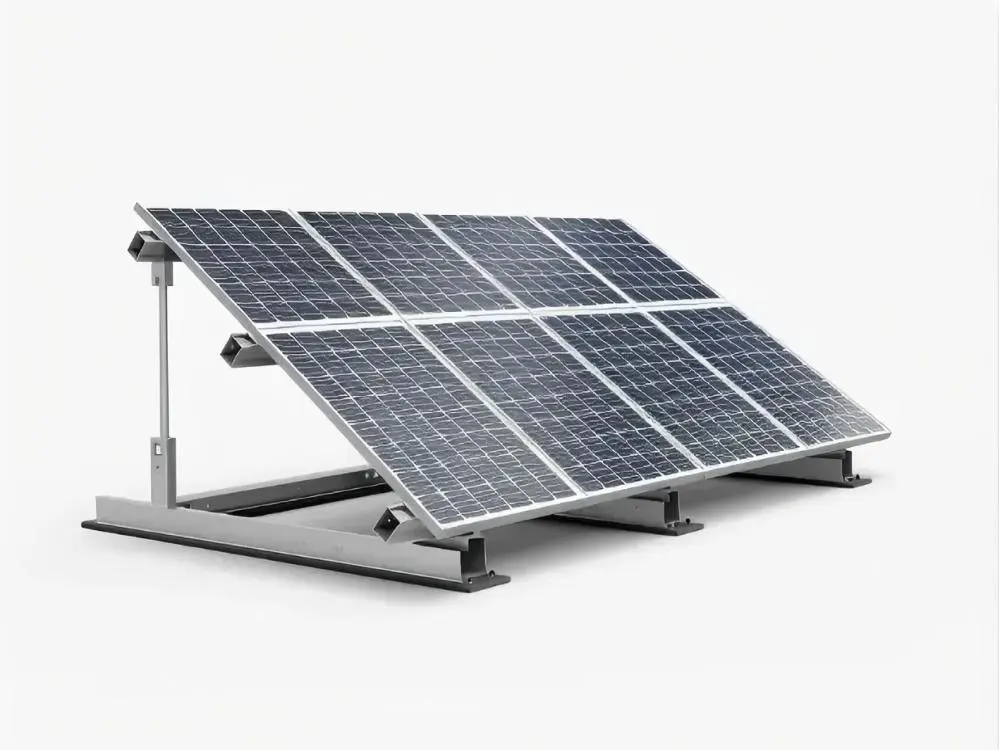
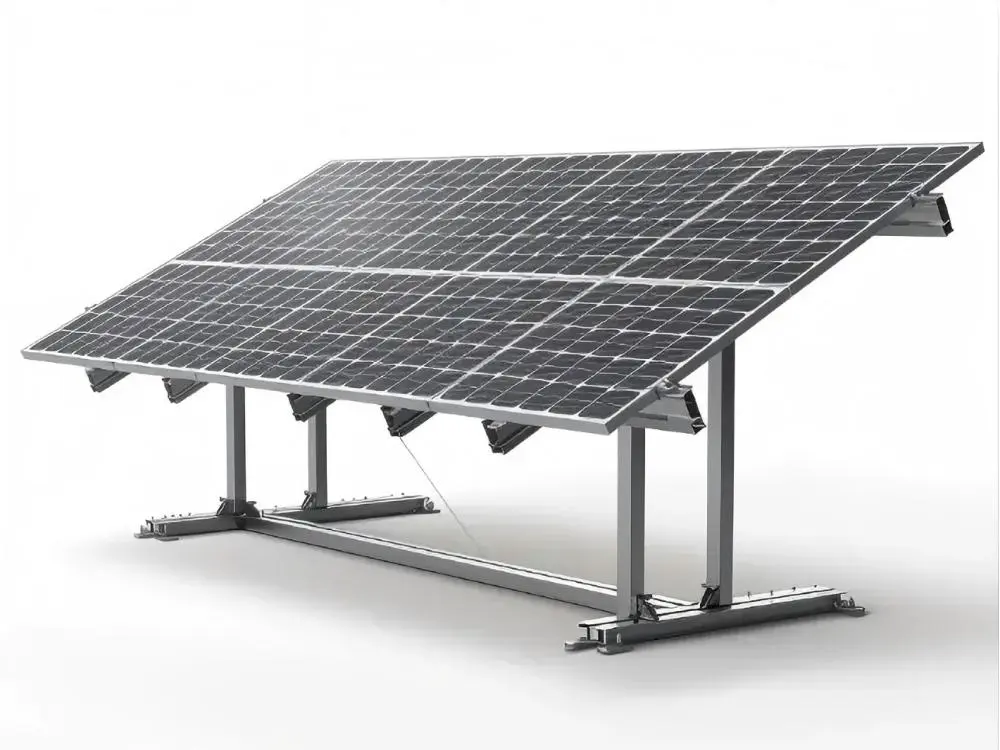
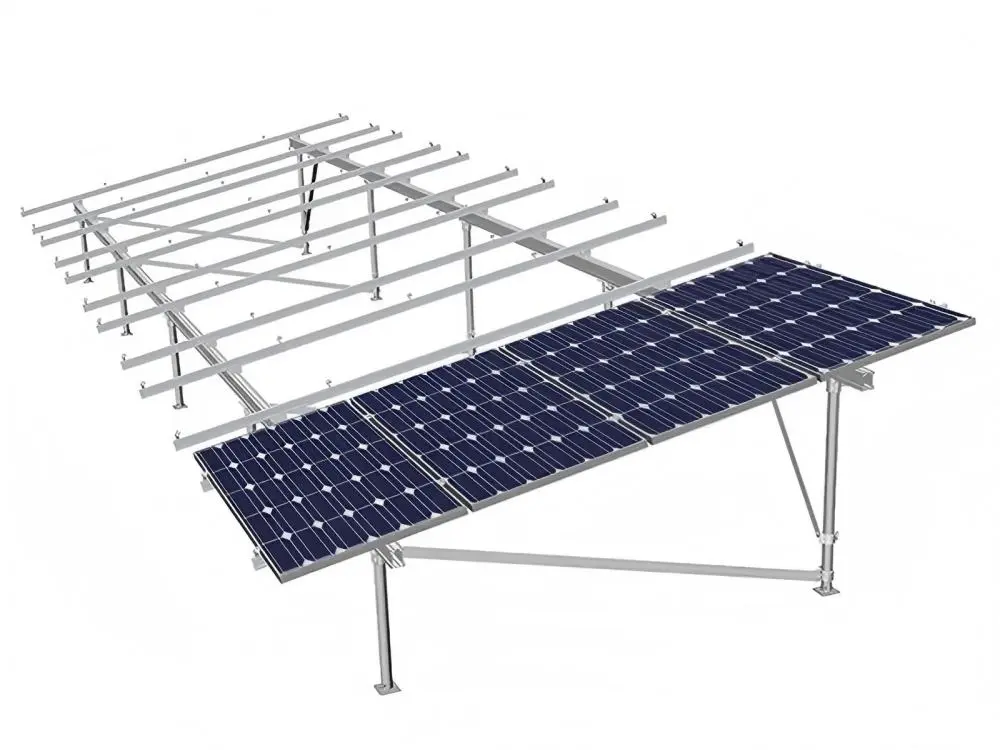
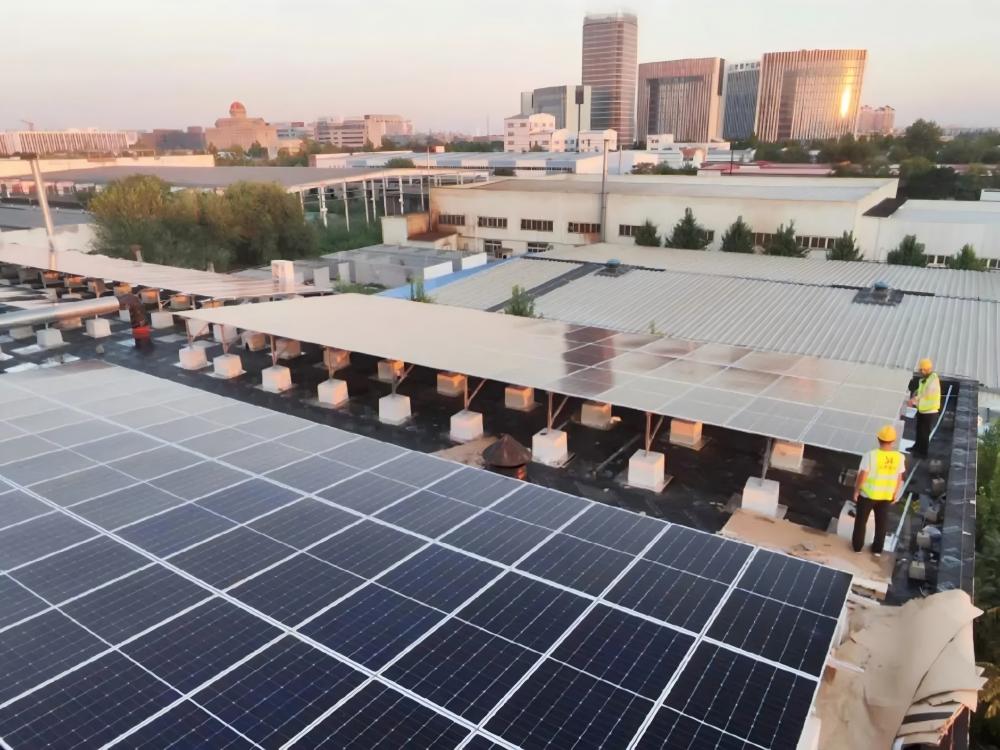
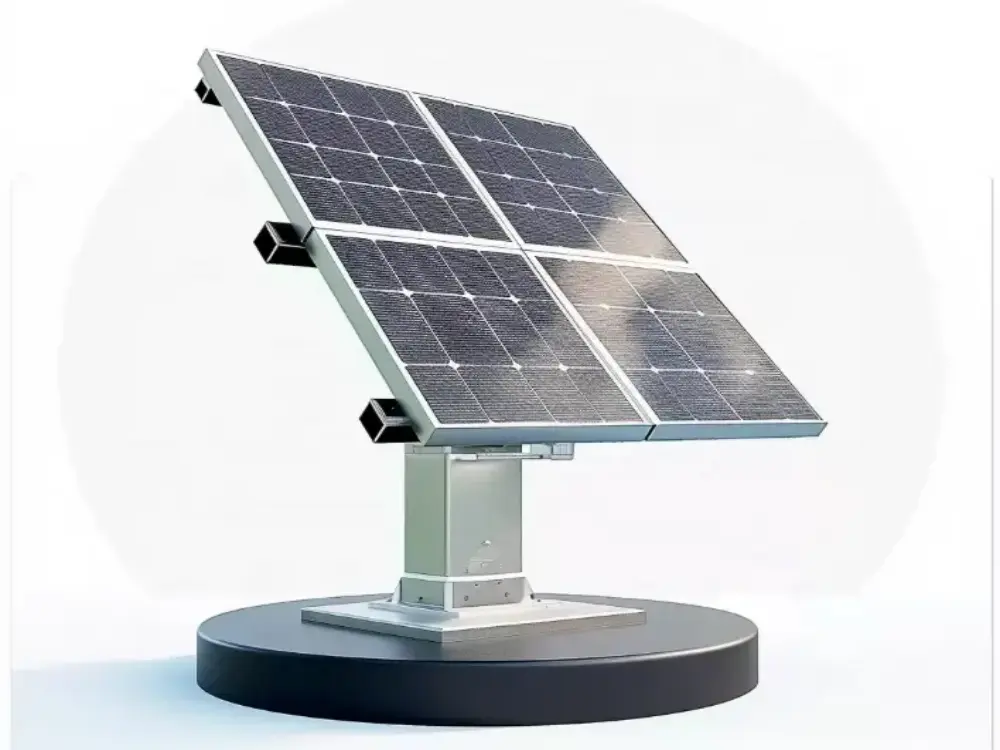
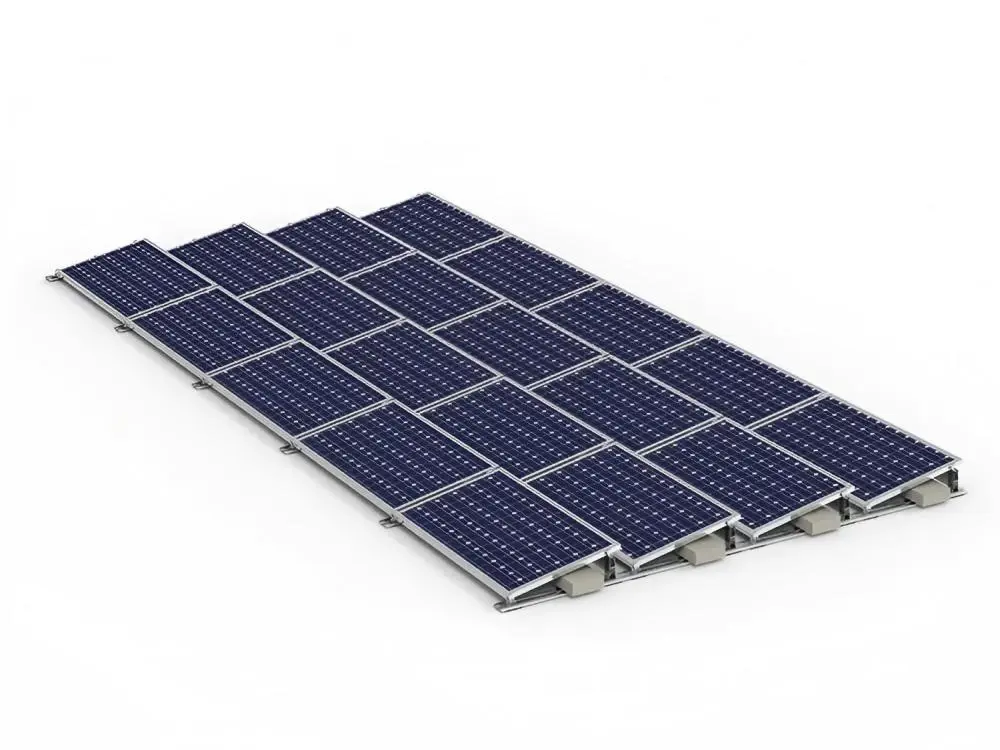
The implementation of the new policy will further activate the rural small-power PV market. Currently, Uzbekistan has launched a series of supporting measures to promote rural PV popularization: in regions like Tashkent Region, the government has collaborated with enterprises to provide free installation of 1.5-2 kilowatt PV panels for low-income households, effectively reducing summer electricity costs; in water-scarce Akkuurgan Region, the EU and the United Nations Development Programme (UNDP) have jointly launched solar-powered drip irrigation systems, which use small-power PV to drive water pumps for groundwater extraction, irrigating 0.8 hectares of land and benefiting 10 farming households. Compared with traditional irrigation methods, these systems save 60% of water, and the revenue from selling surplus electricity to the national grid can be used for the maintenance and operation of irrigation facilities. These cases fully demonstrate that small-power PV systems can accurately meet rural needs, solving practical problems such as household electricity consumption and agricultural irrigation while bringing additional income to farmers.
Notably, Chinese enterprises' technologies and experience are providing strong support for the promotion of rural small-power PV in Uzbekistan. Previously, Chinese enterprises have constructed large-scale energy projects such as the Bukhara 263 MW PV project in Uzbekistan, accumulating PV technologies and construction experience adapted to local climatic conditions. Their mature small-power PV solutions have been gradually applied in rural scenarios – in Donggan Village, Tashkent Region, a 15.08-kilowatt PV project aided by Chinese enterprises has been officially put into use, providing stable green electricity for the local middle school and illuminating the learning path of rural students. Drawing on China's "agrivoltaic complementary" model, some rural areas are exploring planting shade-tolerant crops and developing animal husbandry under solar panels, forming a circular industrial chain of "PV-planting-breeding" to realize "one land, two uses" and turn sunlight into farmers' "golden rice bowls".
Uzbek government officials have clearly stated that the tax incentive policy will be deeply coordinated with livelihood projects such as the "Solar Energy for Households" program, focusing not only on the implementation of large-scale energy projects but also on the popularization of rural small-power PV equipment to achieve two-way empowerment of energy transformation and livelihood improvement. Both the International Energy Agency (IEA) and the World Bank have given positive evaluations of this policy, believing that Uzbekistan's rural PV promotion model provides an important reference for the diversified development of renewable energy in Central Asia. With the continuous release of policy dividends, it is expected that rural small-power PV systems will be rapidly popularized in Uzbekistan in the next few years, bringing stable electricity, additional income channels and ecological improvement to rural areas, and laying a solid foundation for achieving the "carbon neutrality" goal in the power sector by 2050.
For rural residents and farmers, now is the best time to install small-power PV systems: abundant solar resources, full VAT exemption, generous subsidies for surplus electricity, coupled with mature technical support, enable green energy to truly enter rural areas and benefit people's livelihood. Choosing small-power PV means choosing a stable energy guarantee and a sustainable path to increase income.