

EU CBAM Officially Takes Effect, Chinese Solar Exporters Seize Market Opportunities with Low-Carbon Compliance
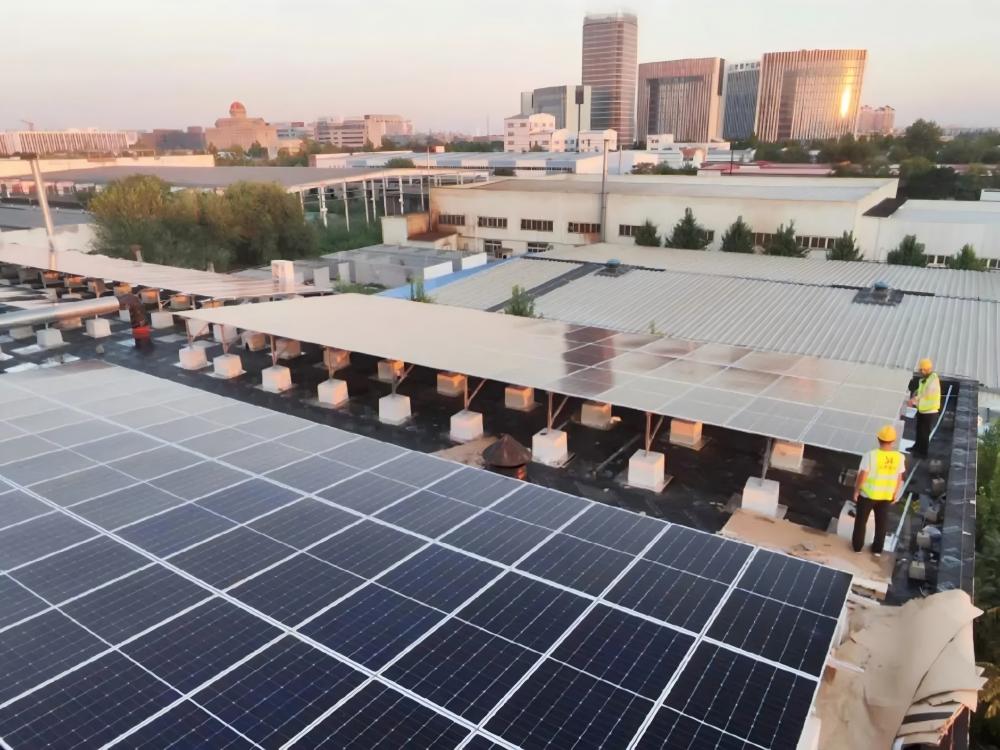
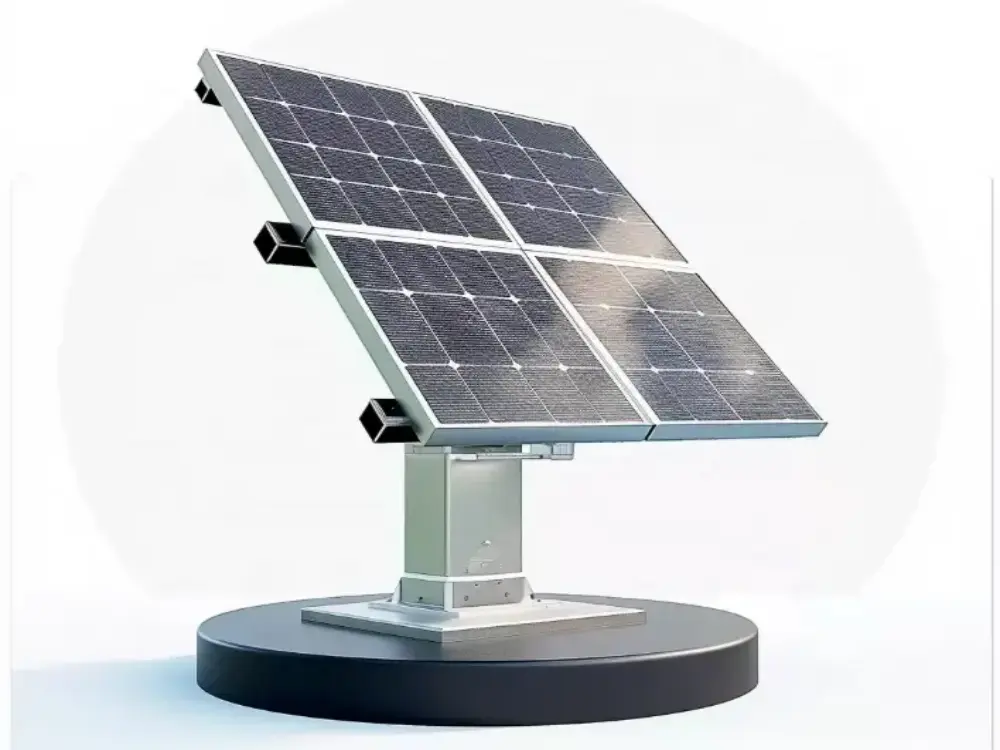
Starting from January 2026, the EU Carbon Border Adjustment Mechanism (CBAM) has officially entered the full implementation stage. As the world's first carbon tariff system, it will strictly control the full-life-cycle carbon emissions of imported solar products, becoming a new compliance threshold for Chinese solar exports to the European market. Faced with this new green trade regulation, Chinese solar exporters have proactively promoted low-carbon transformation, successfully breaking through barriers and continuously consolidating their European market share through technological upgrading and compliance layout.
It is reported that the core requirement of the EU CBAM is that imported solar products must provide a complete carbon footprint accounting report. If the product's carbon emissions do not meet EU standards, the corresponding carbon tariff must be paid, which undoubtedly increases the compliance costs and technical difficulties of solar exports. Previously, most domestic solar enterprises lacked a systematic carbon footprint monitoring system, and more than 90% of enterprises had not completed relevant certifications, putting the industry under certain export pressure.
To cope with the impact of the new regulations, Chinese solar exporters have accelerated their compliance layout, linked up with high-quality domestic suppliers to build green supply chains, and focused on the R&D and application of low-carbon technologies. At present, mainstream domestic export enterprises have gradually promoted the large-scale application of low-carbon technologies such as granular silicon and BC. Among them, the carbon footprint of granular silicon products has been significantly reduced by 75% compared with traditional processes, which can effectively exempt part of the carbon tariff costs. At the same time, enterprises have actively carried out ISO 14067 carbon footprint certification and established a full-industry-chain carbon emission monitoring system to ensure that exported products meet EU accounting standards.
Industry insiders said that although the implementation of CBAM has increased export costs in the short term, in the long run, it will promote the transformation of China's solar industry from scale leadership to technological and low-carbon leadership. With mature supply chain integration capabilities and rapid compliance response speed, Chinese solar exporters have gradually adapted to the new regulatory requirements, and some enterprises' low-carbon solar products have also obtained a premium in the European market by virtue of their green advantages. In the future, with the advancement of the China-EU carbon price mutual recognition process, Chinese low-carbon solar products will occupy a more favorable position in the European market and provide a green Chinese solution for the global energy transition.