

01
After the National Day holiday the price of cold-galvanized sheet and coil in Southwest China may fluctuate at a high level
The third quarter is coming to an end. The traditional "golden September" market's circulation end increment performance is not strong. The situation of "strong expectations but weak reality" is playing out again. The market has been in a lukewarm state throughout the month. As the Mid-Autumn and National Day holiday approaches, the market's willingness to stock up before the festival is not strong. Moreover, with the decline in futures, market prices have started to fall steadily. Fortunately, the current inventory pressure on galvanized and cold-rolled Steel Sheets and coils in the market is not significant, and merchants only need to ensure daily shipment volumes. Can the peak demand of "Silver October" be fulfilled? What will be the price trend after the festival? The author will conduct the analysis from the following aspects First, prices tend to stabilize Take the Chongqing market as an example. The price difference between galvanized steel and cold-rolled steel has long been in an abnormal state. As of the time of publication, the prices of cold-rolled and patterned galvanized steel are 4,080 yuan per ton and 3,980 yuan per ton respectively. Patterned galvanized steel is still in a price inversion situation, with a price difference of 100 yuan per ton between the two - although it has recently returned to some extent. Since September last year, the price difference between cold-rolled and galvanized steel has gradually narrowed. Subsequently, the price of cold-rolled steel has remained at a high level, while the price of galvanized steel with patterned steel, after a brief rise, has once again experienced a sliding decline due to the failure of downstream demand to keep up. By mid-November 2024, the price gap between the two had once widened to nearly 300 yuan per ton, and the performance of galvanized steel with patterns was particularly sluggish. The reasons for this are as follows: On the one hand, cold-rolled steel performed strongly at the end of last year, supported by orders for automotive steel, while the supply of common cold-rolled steel contracted, which pushed up the price of cold-rolled steel. The price difference between hot and cold steel expanded to 800 yuan per ton. On the other hand, the problem of oversupply of galvanized steel with decorative patterns has continued to intensify due to the sharp decline in usage in the construction industry and the commissioning of new galvanized steel production capacity in the southwest region. Overall, the core problem that makes it difficult to boost the price of galvanized steel in the southwest market still lies in the disorderly price competition in the market. Patterned galvanizing is mainly applied in the construction field and has been significantly affected by the downturn in the real estate industry. Cold rolling is mainly used in the manufacturing of automobiles and home appliances. In recent years, the continuous development of the automotive and supporting industries in the southwest region has provided a stable support for the demand of cold rolling. This also directly reflects that the fundamental strength of cold rolling is much higher than that of galvanizing for construction. Second, inventory is difficult to be continuously reduced In September, the prices of cold-rolled steel generally tended to stabilize, and the transaction situation improved compared with August, but no significant highlights emerged. It is currently the period of stocking up before the National Day. Some traders have reported that there is a certain amount of stocking behavior in the downstream, but the stocking volume is only about 50% of the usual level. Another trader pointed out that although the order price of automotive steel futures in October was lower than that of the previous month, the actual order volume decreased instead of increasing. There are mainly two reasons for this: First, after major Oems released their fourth-quarter volume-boosting plans in late August, the order prices of special steel generally rose, and the market's expectations for subsequent demand strengthened. Merchants generally over-ordered the usage for the next two to three months. Secondly, the cold-rolled flat plate policy issued by Baowu Steel Plant on the 10th of this month has shifted traders' emotions from excitement to rationality. Coupled with the limited gap between the current market sales price of special steel and the futures order price, merchants are more inclined to control the order pace to relieve financial pressure, which provides certain support for spot prices. However, the inventory pressure is difficult to be effectively relieved in the short term. In terms of galvanizing, high supply and weak demand are the core reasons for the persistently high inventory. The supply from steel mills remains sufficient, while the performance of terminal consumption is lackluster. Most traders have reported that their inventories have long been "more in than out", and the inventory clearance has been slow. To cope with the pressure, many traders have begun to reduce their orders from steel mills in order to control inventory levels. However, due to the large market inventory and the low willingness of steel mills to cut production, judging from the current rate of decline in galvanized inventory, it will still take a relatively long time to achieve effective inventory reduction. Summary Overall, the prices of cold-rolled and galvanized products in the southwest market are likely to continue to fluctuate at a high level after the festival. However, the downward pressure on galvanized products will be significantly greater than that on cold-rolled ones. Although demand and expectations have gradually picked up since September, the recovery of new orders has been slow, highlighting market concerns over empty price hikes and inventory overstock.
From the perspective of the fundamentals of varieties, the supply and demand contradiction of cold-rolled products is not yet prominent under the support of the manufacturing industry, but the excessive price difference between cold and hot products has already created pressure. However, due to the decline in the price of hot-rolled base materials at the cost end, the support for galvanizing is significantly insufficient, leading traders to be more cautious in their operations. Therefore, the market as a whole will show a trend of narrowing fluctuations and internal differentiation.
The third quarter is coming to an end. The traditional "golden September" market's circulation end increment performance is not strong. The situation of "strong expectations but weak reality" is playing out again. The market has been in a lukewarm state throughout the month. As the Mid-Autumn and National Day holiday approaches, the market's willingness to stock up before the festival is not strong. Moreover, with the decline in futures, market prices have started to fall steadily. Fortunately, the current inventory pressure on galvanized and cold-rolled Steel Sheets and coils in the market is not significant, and merchants only need to ensure daily shipment volumes. Can the peak demand of "Silver October" be fulfilled? What will be the price trend after the festival? The author will conduct the analysis from the following aspects
First, prices tend to stabilize
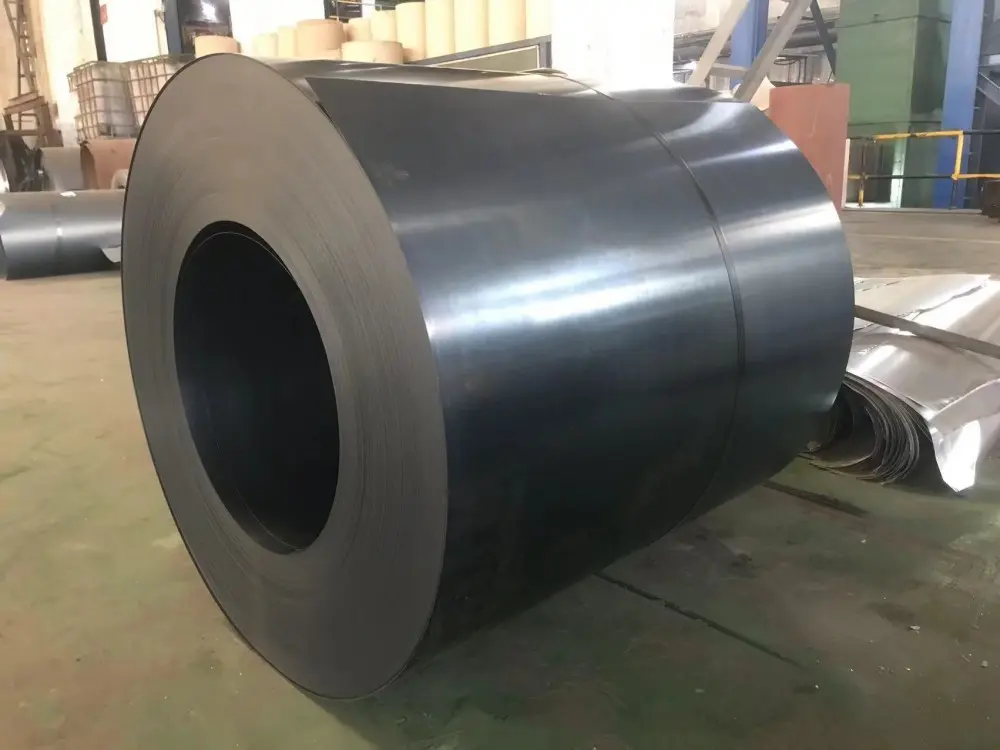
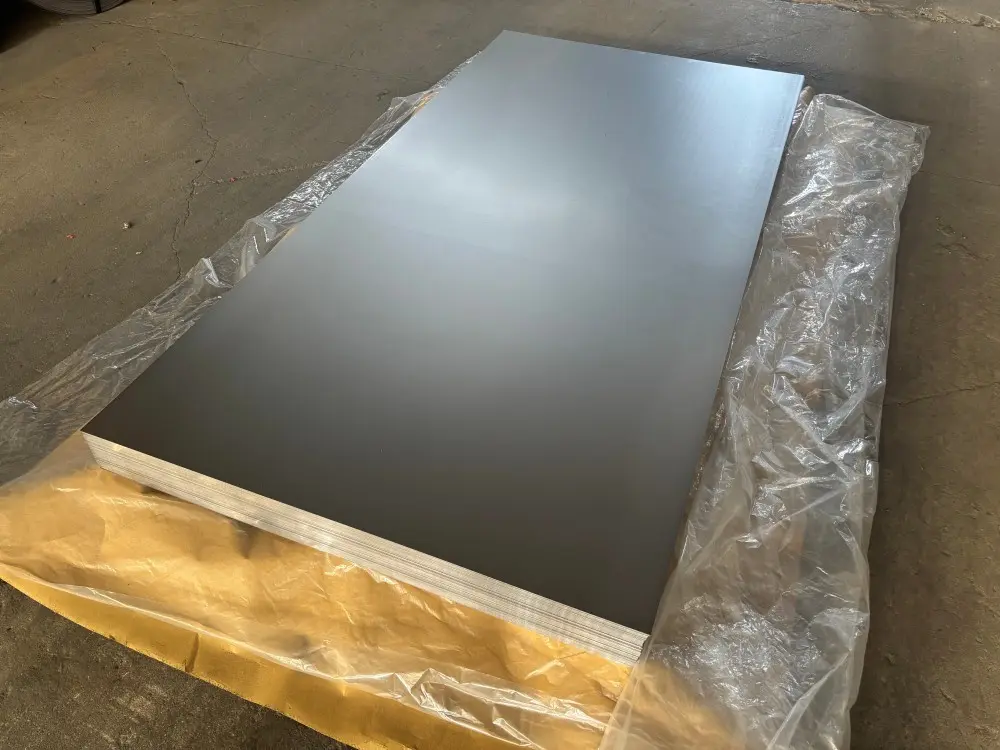
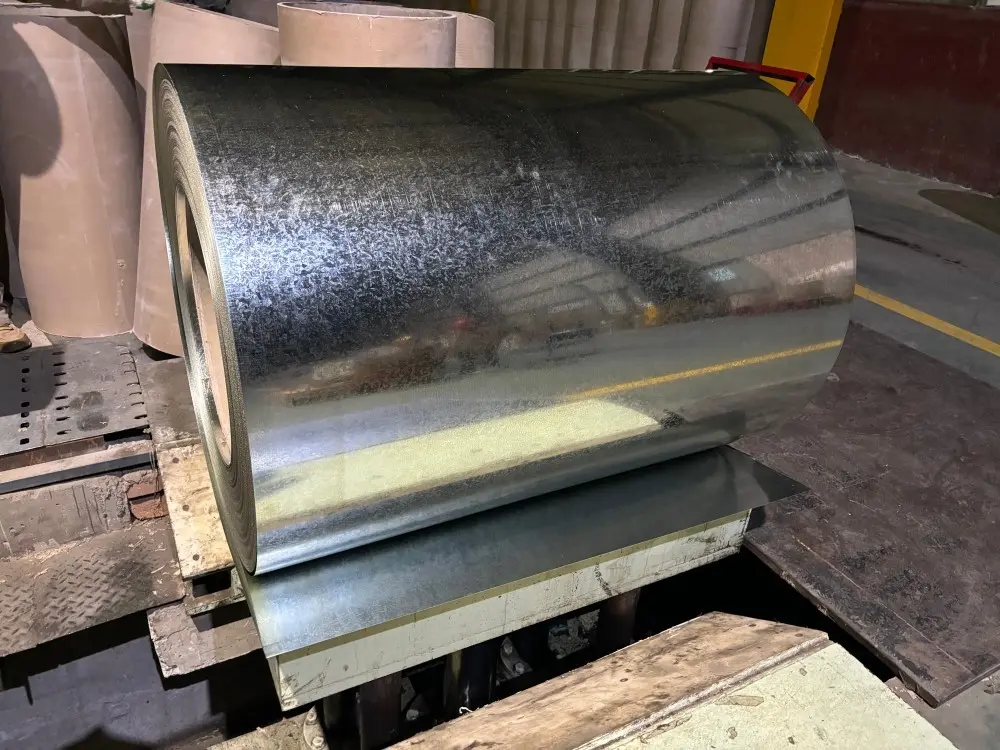
Take the Chongqing market as an example. The price difference between galvanized steel and cold-rolled steel has long been in an abnormal state. As of the time of publication, the prices of cold-rolled and patterned galvanized steel are 4,080 yuan per ton and 3,980 yuan per ton respectively. Patterned galvanized steel is still in a price inversion situation, with a price difference of 100 yuan per ton between the two - although it has recently returned to some extent.
Since September last year, the price difference between cold-rolled and galvanized steel has gradually narrowed. Subsequently, the price of cold-rolled steel has remained at a high level, while the price of galvanized steel with patterned steel, after a brief rise, has once again experienced a sliding decline due to the failure of downstream demand to keep up. By mid-November 2024, the price gap between the two had once widened to nearly 300 yuan per ton, and the performance of galvanized steel with patterns was particularly sluggish.
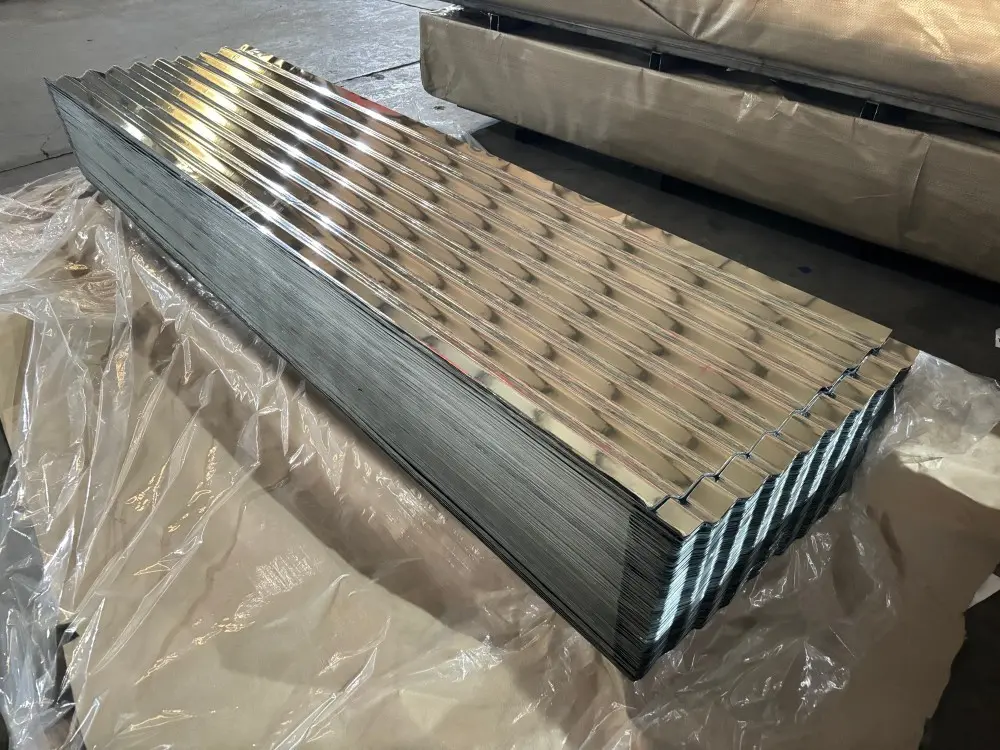
The reasons for this are as follows: On the one hand, cold-rolled steel performed strongly at the end of last year, supported by orders for automotive steel, while the supply of common cold-rolled steel contracted, which pushed up the price of cold-rolled steel. The price difference between hot and cold steel expanded to 800 yuan per ton. On the other hand, the problem of oversupply of galvanized steel with decorative patterns has continued to intensify due to the sharp decline in usage in the construction industry and the commissioning of new galvanized steel production capacity in the southwest region.
Overall, the core problem that makes it difficult to boost the price of galvanized steel in the southwest market still lies in the disorderly price competition in the market. Patterned galvanizing is mainly applied in the construction field and has been significantly affected by the downturn in the real estate industry. Cold rolling is mainly used in the manufacturing of automobiles and home appliances. In recent years, the continuous development of the automotive and supporting industries in the southwest region has provided a stable support for the demand of cold rolling. This also directly reflects that the fundamental strength of cold rolling is much higher than that of galvanizing for construction.
Second, inventory is difficult to be continuously reduced
In September, the prices of cold-rolled steel generally tended to stabilize, and the transaction situation improved compared with August, but no significant highlights emerged. It is currently the period of stocking up before the National Day. Some traders have reported that there is a certain amount of stocking behavior in the downstream, but the stocking volume is only about 50% of the usual level. Another trader pointed out that although the order price of automotive steel futures in October was lower than that of the previous month, the actual order volume decreased instead of increasing.
There are mainly two reasons for this: First, after major Oems released their fourth-quarter volume-boosting plans in late August, the order prices of special steel generally rose, and the market's expectations for subsequent demand strengthened. Merchants generally over-ordered the usage for the next two to three months. Secondly, the cold-rolled flat plate policy issued by Baowu Steel Plant on the 10th of this month has shifted traders' emotions from excitement to rationality. Coupled with the limited gap between the current market sales price of special steel and the futures order price, merchants are more inclined to control the order pace to relieve financial pressure, which provides certain support for spot prices. However, the inventory pressure is difficult to be effectively relieved in the short term.
In terms of galvanizing, high supply and weak demand are the core reasons for the persistently high inventory. The supply from steel mills remains sufficient, while the performance of terminal consumption is lackluster. Most traders have reported that their inventories have long been "more in than out", and the inventory clearance has been slow. To cope with the pressure, many traders have begun to reduce their orders from steel mills in order to control inventory levels. However, due to the large market inventory and the low willingness of steel mills to cut production, judging from the current rate of decline in galvanized inventory, it will still take a relatively long time to achieve effective inventory reduction.
Summary
Overall, the prices of cold-rolled and galvanized products in the southwest market are likely to continue to fluctuate at a high level after the festival. However, the downward pressure on galvanized products will be significantly greater than that on cold-rolled ones. Although demand and expectations have gradually picked up since September, the recovery of new orders has been slow, highlighting market concerns over empty price hikes and inventory overstock.
From the perspective of the fundamentals of varieties, the supply and demand contradiction of cold-rolled products is not yet prominent under the support of the manufacturing industry, but the excessive price difference between cold and hot products has already created pressure. However, due to the decline in the price of hot-rolled base materials at the cost end, the support for galvanizing is significantly insufficient, leading traders to be more cautious in their operations. Therefore, the market as a whole will show a trend of narrowing fluctuations and internal differentiation.
From the perspective of the fundamentals of varieties, the supply and demand contradiction of cold-rolled products is not yet prominent under the support of the manufacturing industry, but the excessive price difference between cold and hot products has already created pressure. However, due to the decline in the price of hot-rolled base materials at the cost end, the support for galvanizing is significantly insufficient, leading traders to be more cautious in their operations. Therefore, the market as a whole will show a trend of narrowing fluctuations and internal differentiation.