


News
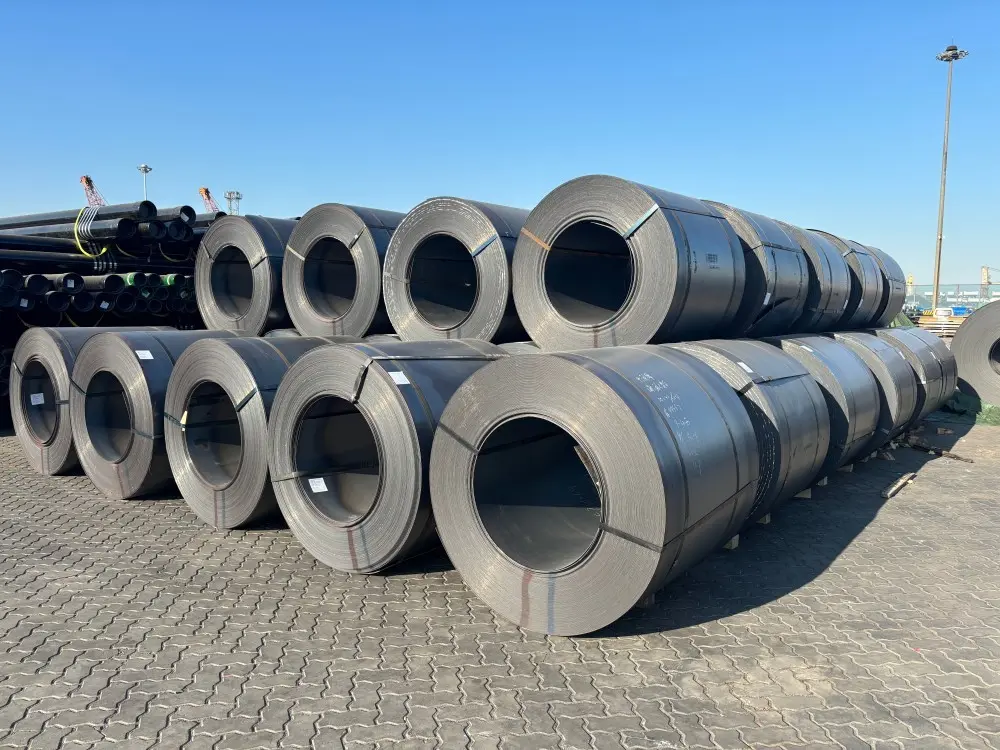
The market for cold-rolled and hot-rolled coil plates is unlikely to see significant improvement in the short term
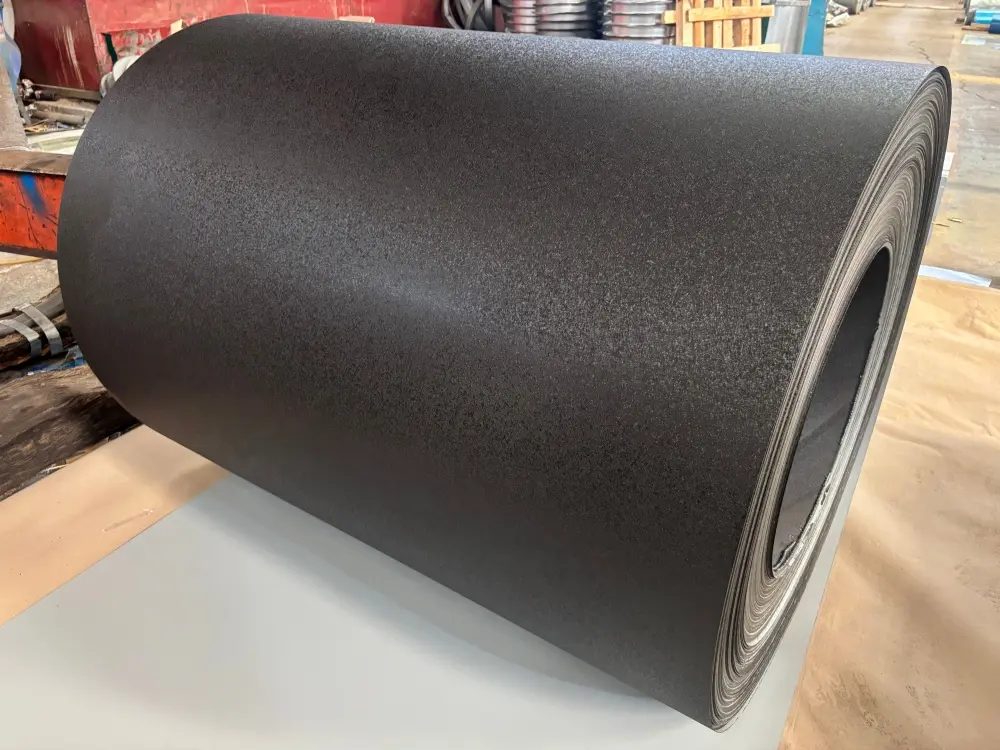
CR COIL AND HR COIL
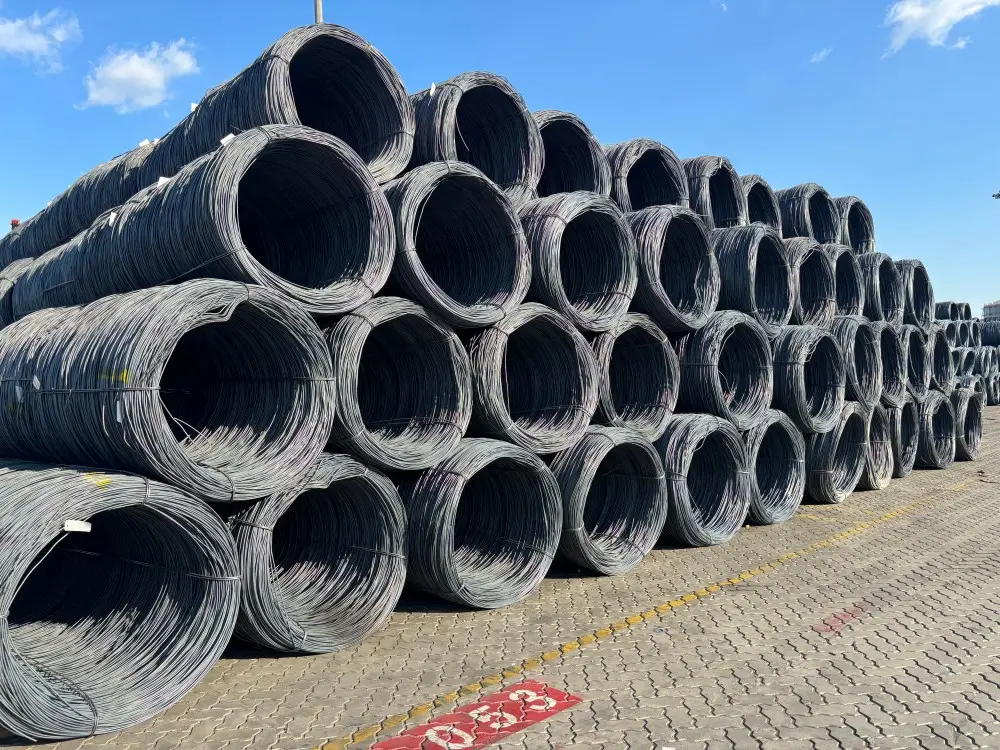
New Dynamics in Global Wire Rod Trade Adapting with Stability and Expanding into Emerging Markets
Domestic prices have softened due to sluggish construction activity and weaker demand, while exports remain strong—particularly to Southeast Asia, the Middle East, and parts of Africa, driven by ongoing infrastructure and energy projects.
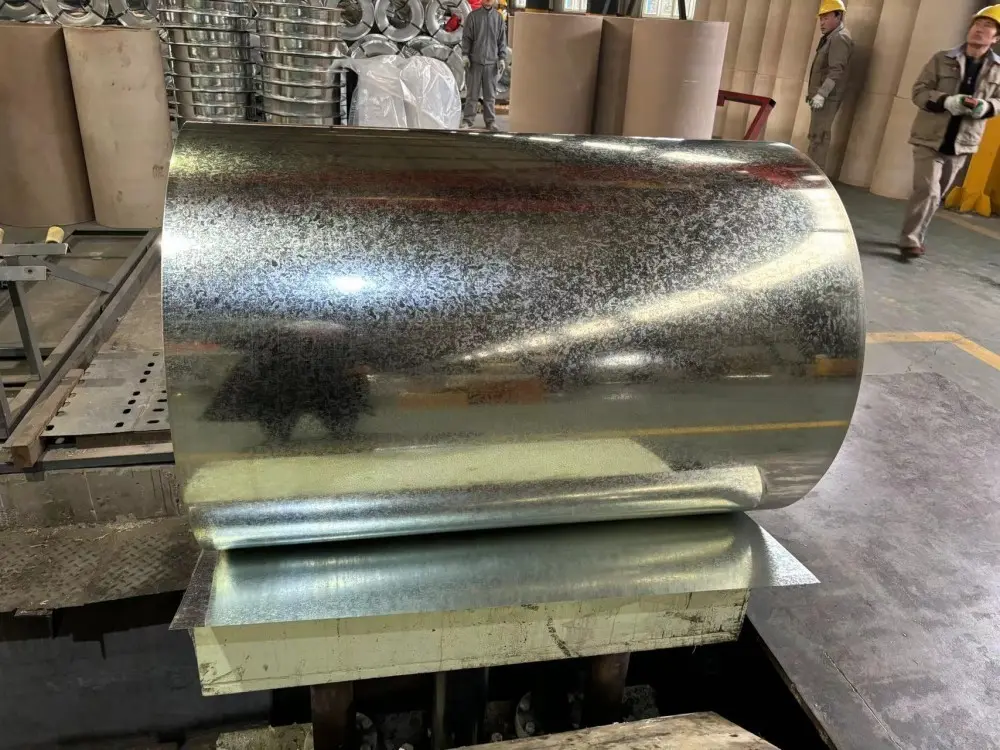
After the National Day holiday the price of cold-galvanized sheet and coil in Southwest China may fluctuate at a high level
CR AND GI COILS AND SHEETS
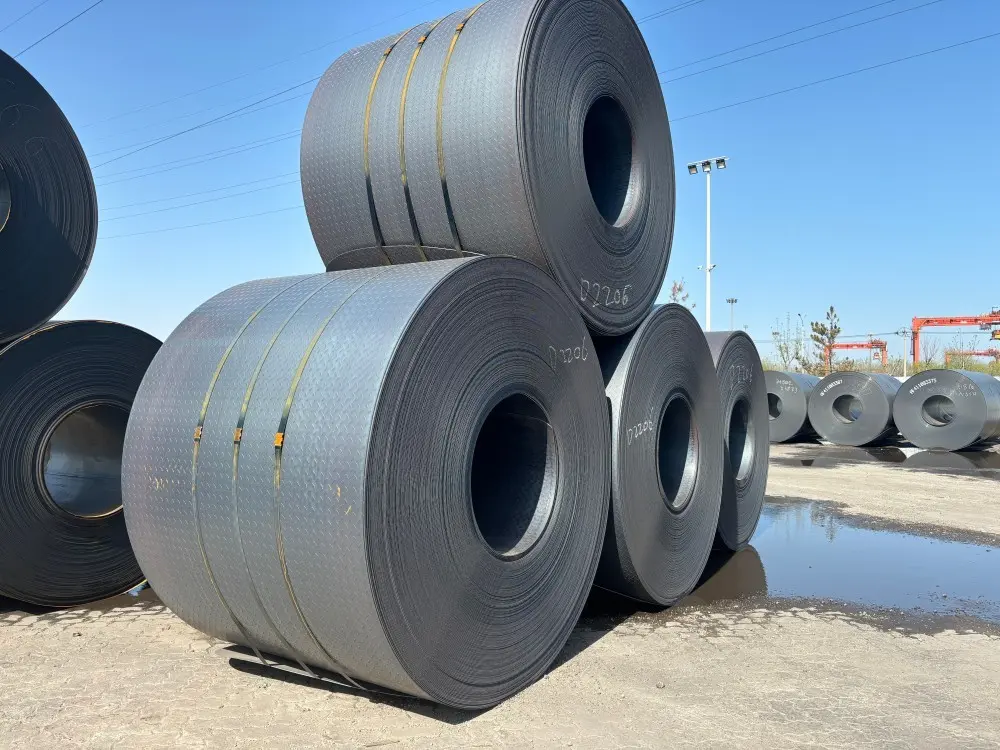
The market for cold-rolled and hot-rolled coil plates will experience fluctuations and adjustments in the near future
CR COIL AND HR COIL
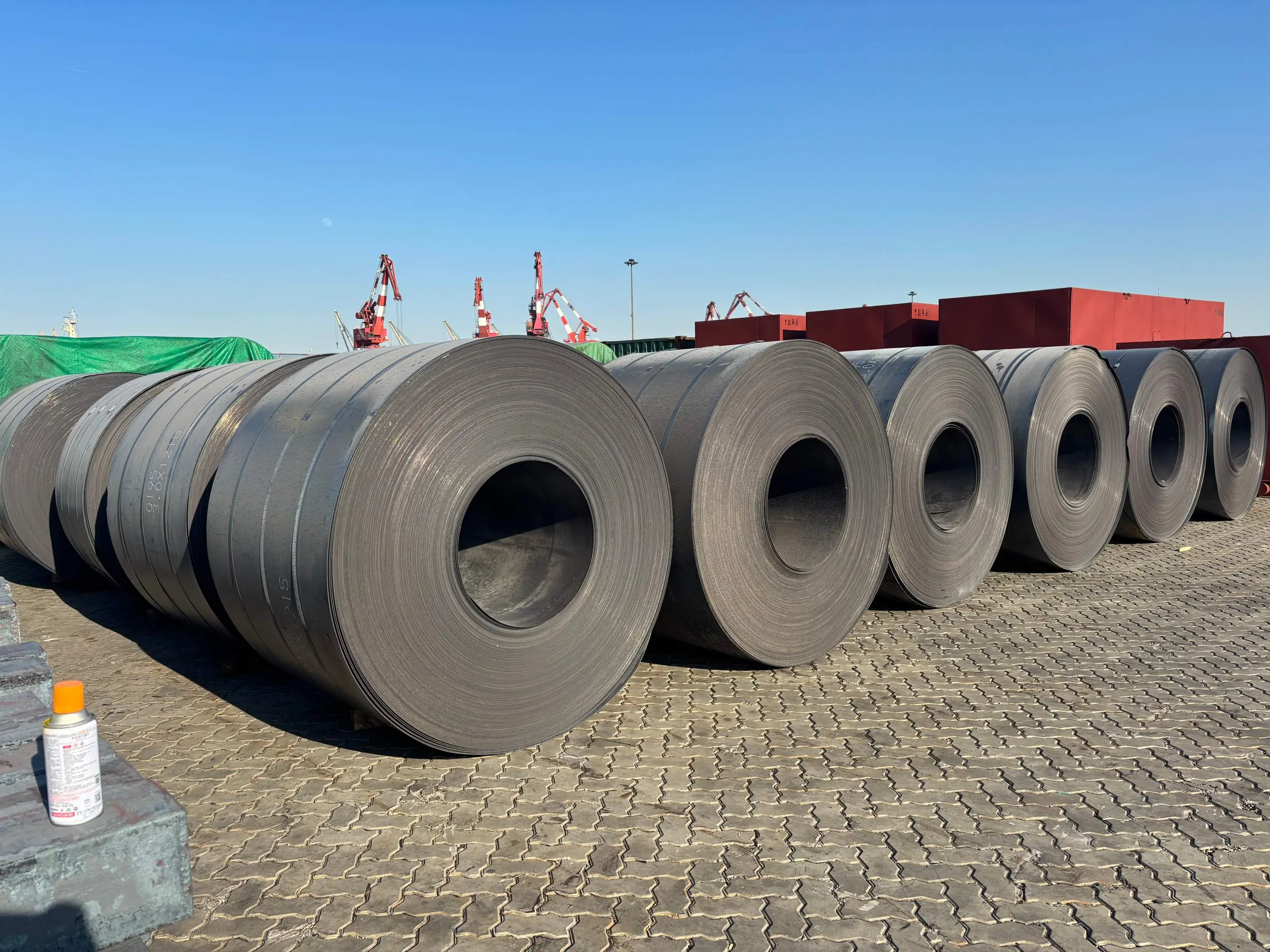
China's Export Surge In August
Conclusion for Exporters & Importers in August:
For Importers (outside protected markets): It was a buyer's market. There was an abundance of cheap offers, primarily from Asia, allowing for aggressive purchasing and negotiation.
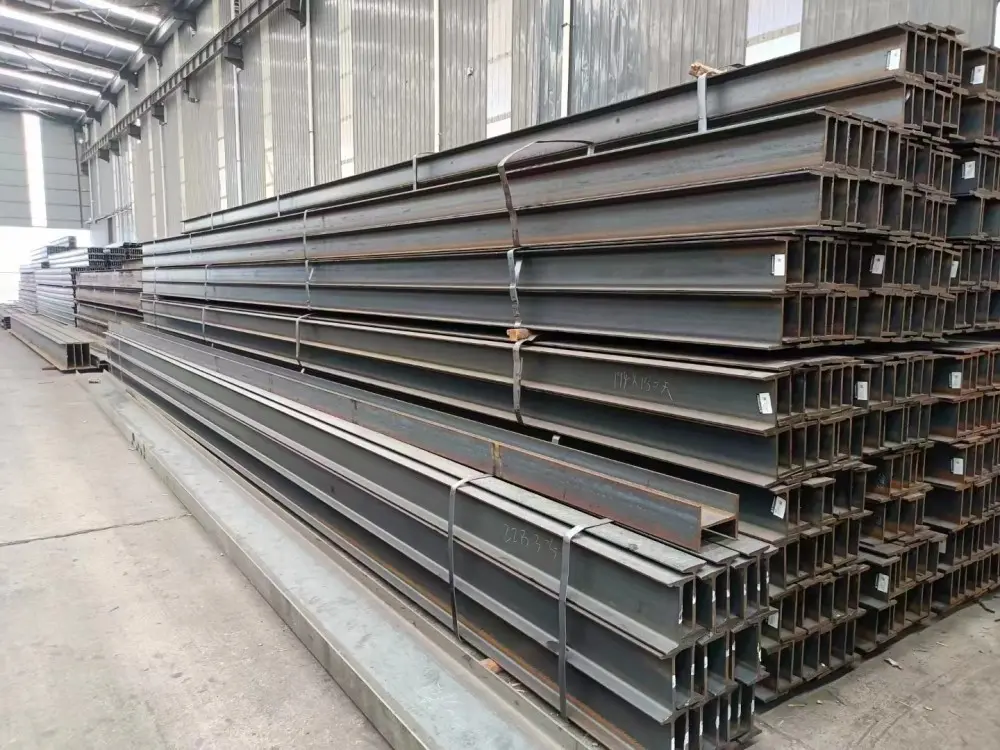
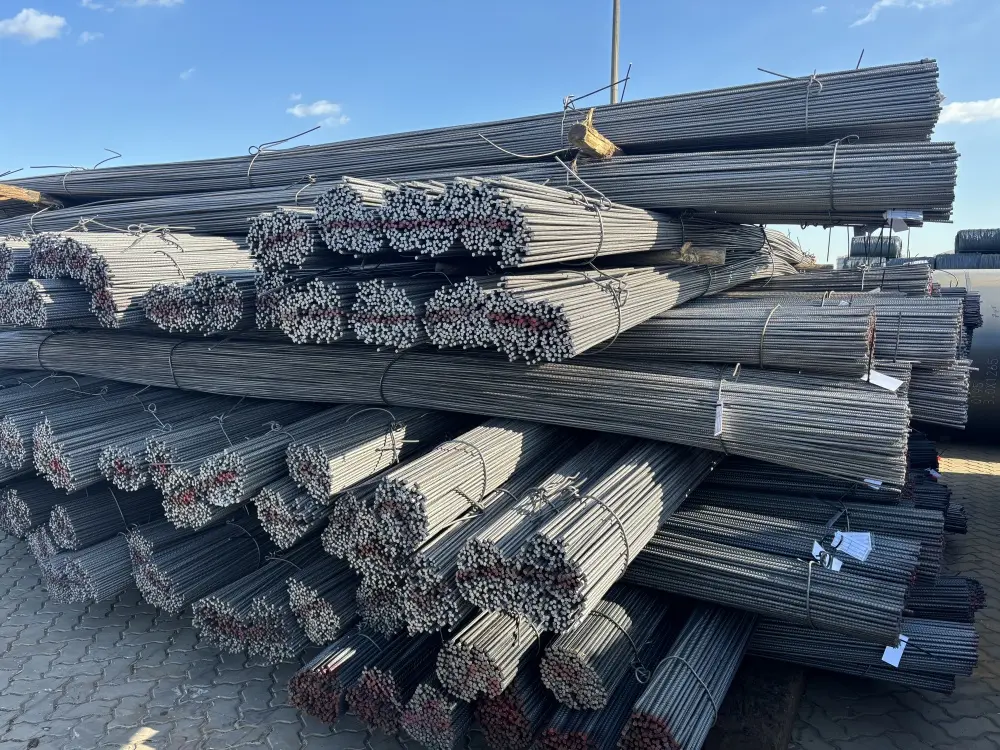
The sales of different types of steel in the first half of the year were like a world of extremes
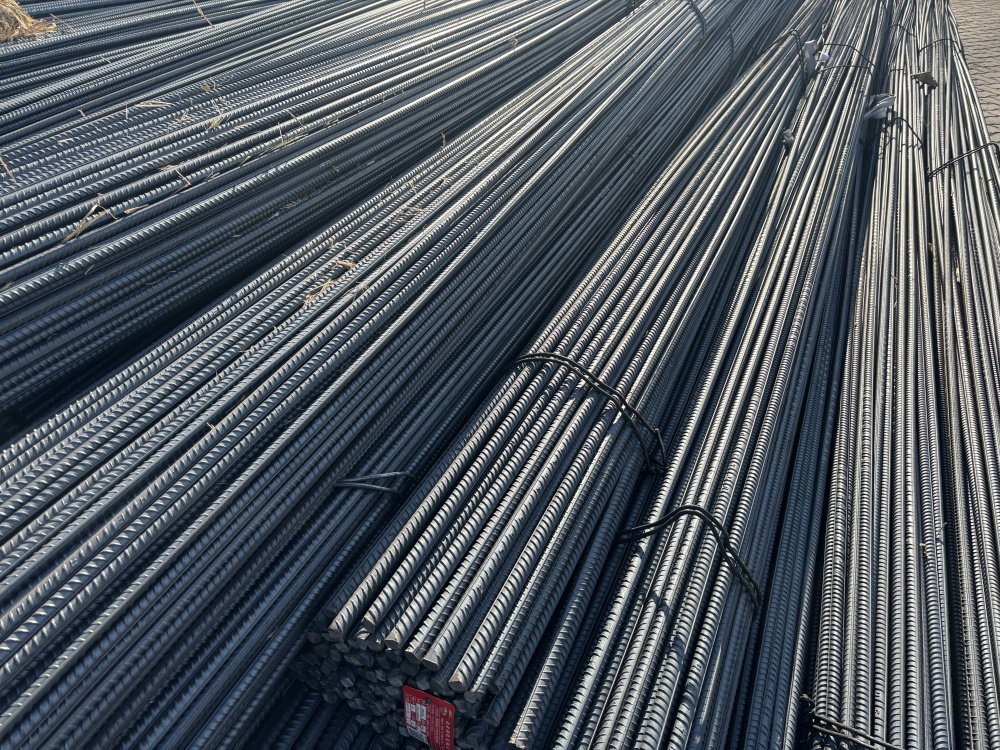
H BEAM AND REBAR
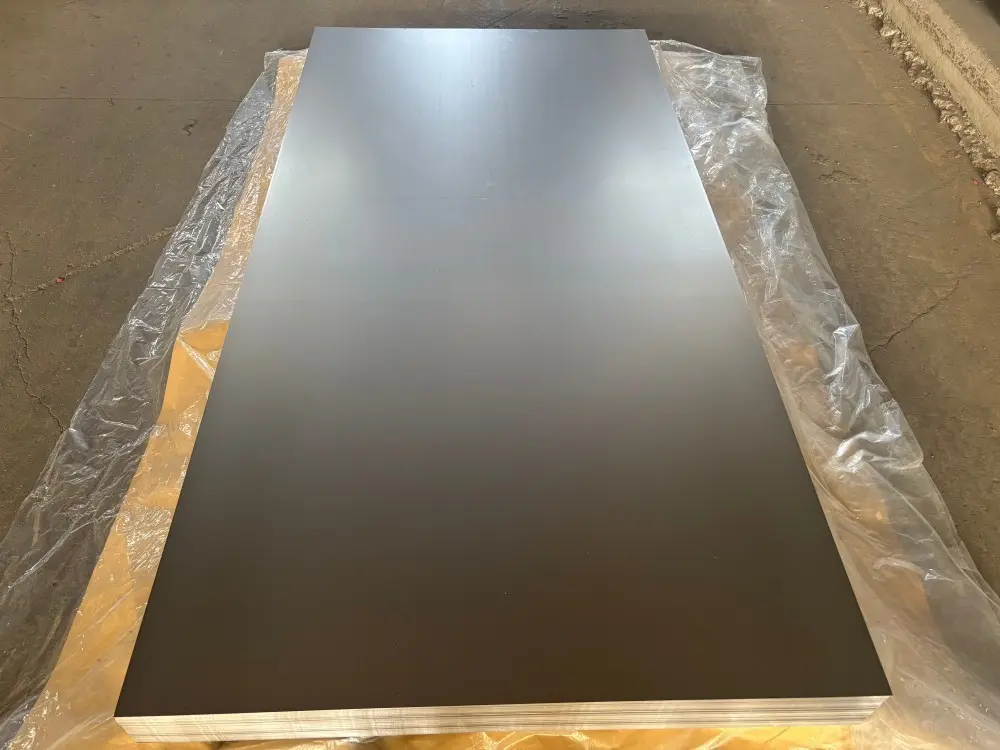
The sheet metal market has continued to show a stable upward trend recently
Regarding the market trend of cold-rolled and hot-rolled coil in the future, considering the rapid increase in the prices of steel raw materials and fuels, there may be an adjustment in the short term. It is expected that the prices of cold-rolled and hot-rolled coil will consolidate in the near future.
One is that the driving force for the increase in steel prices is insufficient. In July, the prices of steel products, including cold-rolled and hot-rolled coil plates, rose sharply. This was not the result of demand-driven growth, and the market supply and demand pattern remained in a tight balance. Against this backdrop, the continued rise in steel prices lacks support, and it cannot be ruled out that there will be a possibility of a high-level fluctuation and a pullback in the future.
Second, the rigid cost support has weakened somewhat. In July, the prices of raw materials and fuels for steel, such as coke, scrap steel and iron ore, rose sharply. According to statistics, as of July 31, the ex-factory price of common carbon billet in Tangshan, Hebei Province was 3,140 yuan per ton, an increase of 220 yuan per ton compared with the end of June, representing a growth rate of 7.5%. The scrap steel price in Jiangsu region is 2,080 yuan per ton, an increase of 90 yuan per ton compared with the end of June, representing a growth rate of 4.5%. The price of first-grade coke in Shanxi region is 1,180 yuan per ton, an increase of 200 yuan per ton compared with the end of June, representing a growth rate of 20.4%. The price of 61.5% fine ore from Australia (Qingdao Port, Shandong) is 772 yuan per ton, up 61 yuan per ton from the end of June, representing an increase of 8.4%. Li Zhongshuang said that the prices of steel raw materials and fuels rose across the board in July, but the speed of the recovery was too fast, raising market concerns. It is not ruled out that there will be a short-term adjustment, and the cost support for steel prices is not solid.
Third, the pattern of weak demand has not changed. At present, the effective terminal demand for steel products remains relatively weak. China's manufacturing Purchasing Managers' Index (PMI) stood at 49.3% in July, down 0.4 percentage points from the previous month. Among them, the new order index dropped back into the contraction zone, standing at 49.4%. The new export orders index also dropped back into the contraction zone to 47.1%. Based on this, Li Zhongshuang predicted that in August, the weak demand situation would be difficult to improve, and the impetus for the demand side to support the increase in steel prices would be insufficient.
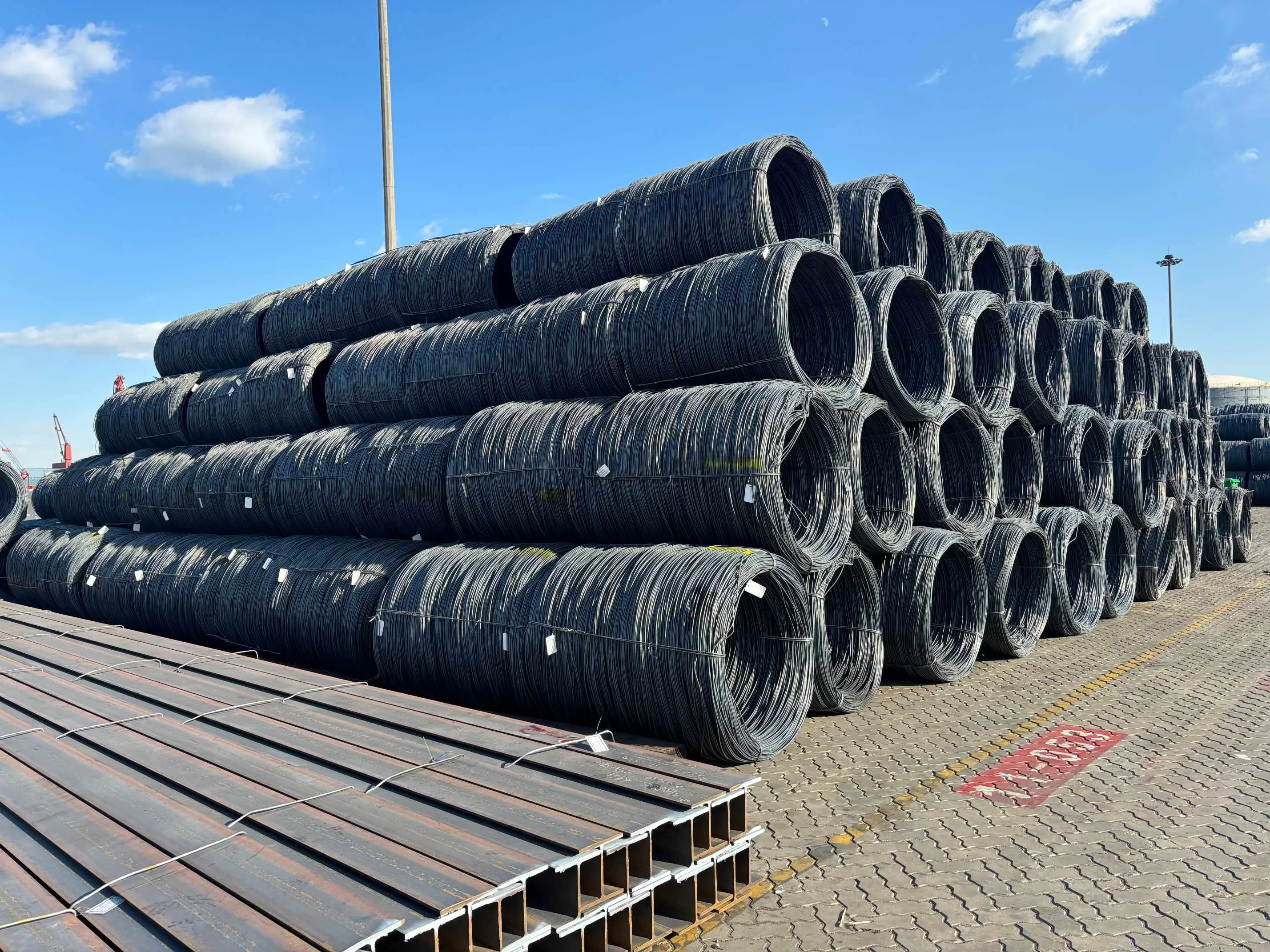
Current status of China's steel market in July
Steel fell to 3,184 CNY/T on August 14, 2025, down 1.00% from the previous day. Over the past month, Steel's price has risen 3.98%, and is up 14.20% compared to the same time last year, according to trading on a contract for difference (CFD) that tracks the benchmark market for this commodity. Historically, Steel reached an all time high of 6198 in May of 2021.