Why Choose Deformed Bar for Your Construction Needs?
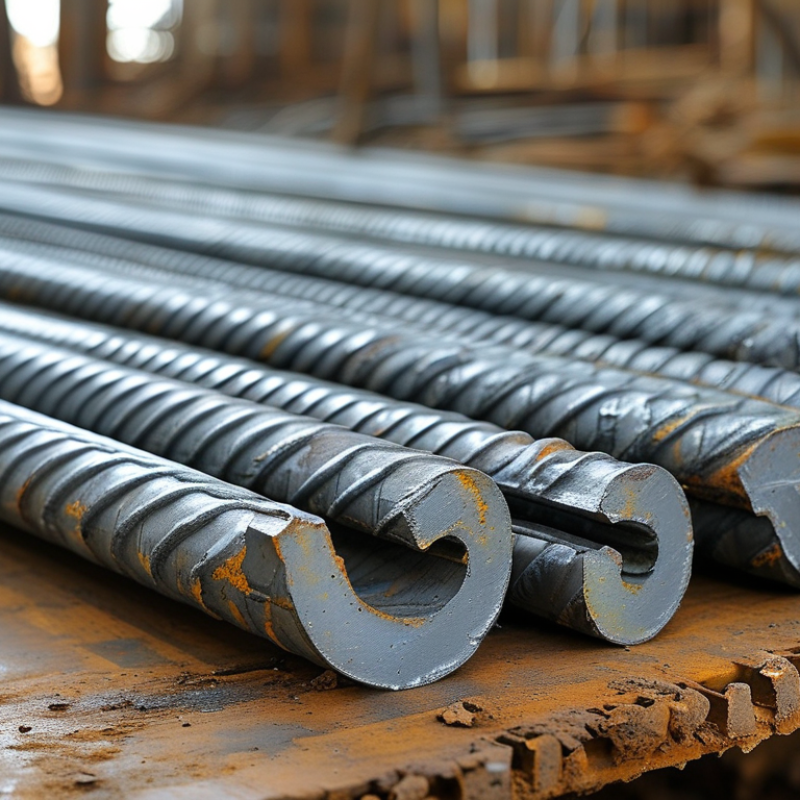
In the construction industry, choosing the right materials is crucial. Deformed bars, often known as rebar, are essential for concrete reinforcement. These bars provide enhanced strength and stability to structures. Their unique surface patterns improve bonding with concrete. This ensures increased durability and safety.
Understanding the benefits of using Deformed Bars is key. They resist bending and cracking, which can lead to costly repairs. Furthermore, their versatility makes them suitable for various construction projects, from bridges to residential buildings. However, not every project may require these bars. It's important to assess the specific needs of your construction task.
Effective use of Deformed Bars can significantly impact a structure's performance. Right selection and application contribute to longevity. Yet, one must also consider the environmental conditions and design specifications. Knowing when and how to use them is vital for any construction project. Failure to do so may result in structural inefficiencies or failures.
Benefits of Using Deformed Bars in Construction Projects
Deformed bars, often referred to as rebar, are essential for construction projects. Their unique surface design enhances bonding with concrete. This feature significantly improves structural integrity. According to industry reports, structures using deformed bars experience fewer failures. This results in a 20% increase in durability compared to smooth bars.
One major advantage of deformed bars is their increased tensile strength. This material can withstand greater stress, making it ideal for high-load applications. The American Concrete Institute states that deformed bars can bear forces exceeding 30% compared to traditional options. This capability ensures safety and reliability in construction.
Tip: Always consult with a structural engineer when deciding on materials. Their expertise can guide you toward the best choices for specific projects.
Moreover, deformed bars are cost-effective. Although their initial price might be higher, their long-term benefits outweigh expenses. A study indicated that over
70% of contractors prefer using deformed bars due to their reliability. However, improper installation can diminish these advantages. Workers must be trained to handle this material correctly.
Tip: Regular training sessions can improve installation practices. This ensures maximum efficiency and safety on-site.
Understanding the Design Features of Deformed Rebars
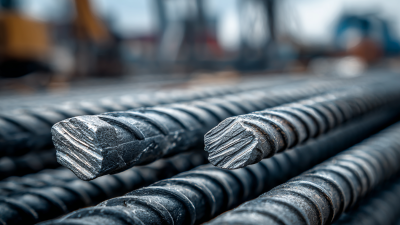
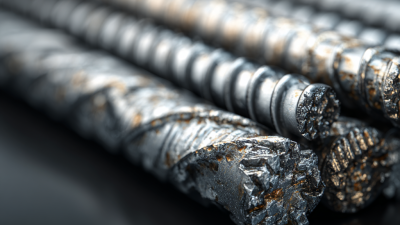
Deformed rebars are essential in modern construction due to their unique design features. These bars have surface patterns that enhance bond strength with concrete. The presence of ridges increases the mechanical interlock, making structures more stable. Studies show that deformed bars can improve tensile strength by up to 40%. This is significant for building highly durable structures.
The yield strength of deformed bars often reaches 500 MPa or more, compared to only 250 MPa for plain bars. This higher yield strength allows for the usage of less material, reducing overall construction costs. However, it's crucial to ensure proper handling and installation. Improper placement can compromise the structural integrity. It’s a reminder that while deformed bars provide advanced benefits, effective construction also relies on skilled labor and strict adherence to guidelines.
Moreover, the availability of different grades allows for flexibility in design. Engineers can choose bars best suited for their specific projects, balancing cost and performance. It is essential to evaluate these choices carefully. Decisions based on incomplete information can lead to costly mistakes. Enhancing project performance requires not just the right materials, but also thoughtful planning and execution.
Comparing Deformed Bars with Other Reinforcement Options
When it comes to construction projects, selecting the right reinforcement material is crucial.
Deformed bars have distinct advantages when compared to traditional reinforcement options like plain bars.
Their surface pattern enhances bonding with concrete. This means better strength and durability in various applications.
The ribbed surface of deformed bars allows for superior traction in concrete.
This can prevent slippage and ensure stability in structures.
In contrast, plain bars may lack this essential grip. Therefore, deformed bars are often favored for high-stress environments.
Tips: Always consider load requirements when choosing materials.
Different projects may demand various types of reinforcement.
Consult a structural engineer if unsure.
Corrosion resistance is another important factor.
Deformed bars often provide better resistance to environmental factors.
Yet, the cost may be higher than plain options.
It's essential to weigh the long-term benefits against immediate expenses.
Tips: Evaluate local climate conditions.
Some areas experience harsher environments that can affect material lifespan.
Make informed choices based on specific project needs.
Applications and Suitability of Deformed Bars in Various Structures
Deformed bars, widely recognized for their superior grip, are essential in various construction projects. Their unique surface design significantly enhances the bond with concrete. This quality makes them especially suitable for high-stress applications.
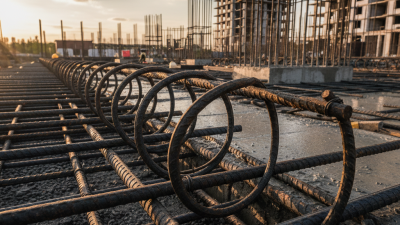
For example, in high-rise buildings, deformed bars are used to reinforce columns and beams, providing stability and strength.
These bars are not just suitable for skyscrapers. They are also ideal for bridges, roads, and tunnels. Their resistance to corrosion is particularly beneficial in environments with high moisture. In seismic zones, deformed bars help structures withstand earthquakes.
This feature is crucial for the safety of residents and the longevity of the building.
However, using deformed bars has challenges. Cost and availability can fluctuate, affecting project budgets. They may also require skilled labor for proper installation, which can be a concern during busy construction seasons.
Such considerations are critical for project managers. Overall, deformed bars are valuable in construction, yet they demand careful planning and execution.
Key Factors to Consider When Selecting Deformed Bars for Construction
When selecting deformed bars for construction, several key factors come into play. The structural integrity of any construction project hinges on the choice of materials. Data from the World Steel Association indicates that deformed bars, commonly made from high-strength steel, can enhance tensile strength. This makes them an ideal choice for applications requiring durability and stability.
Another critical aspect is the bonding capacity of deformed bars. The surface rib patterns improve adhesion to concrete, ultimately leading to enhanced performance in construction. According to a recent report by the American Concrete Institute, structures using deformed bars often exhibit a 30% increase in load-bearing capacity compared to smooth bars. This statistic alone underscores their necessity in modern engineering.
However, not all deformed bars meet the same standards. Variability in manufacturing processes can lead to inconsistencies in quality. Inadequate quality control may compromise performance, leading to potential safety issues. Construction professionals must thoroughly evaluate suppliers and ensure compliance with relevant standards. This diligent approach can prevent costly failures down the line, emphasizing the need for careful selection based on reliability and durability.