Unveiling the Versatility of Steel Material: Innovations and Applications in Modern Industry
The steel material is a cornerstone of modern industry, recognized for its remarkable strength, durability, and versatility in a multitude of applications. According to the World Steel Association's report, global steel production reached approximately 1.9 billion metric tons in 2020, demonstrating its vital role in the construction, automotive, and manufacturing sectors. Innovations in steel material, such as advanced high-strength steels and eco-friendly production methods, are transforming the landscape of industrial applications, leading to enhanced performance and sustainability. As industries increasingly embrace the principles of circular economy and energy efficiency, the demand for innovative steel solutions is expected to rise, with projections suggesting a market growth rate of 2.2% annually over the next five years. This evolution not only bolsters the economic framework but also redefines the potential of steel material in tackling modern challenges, paving the way for future advancements and applications across various fields.
Understanding the Unique Properties of Steel for Industrial Applications
Steel has long been a cornerstone material in industrial applications, owing to its unique properties such as high tensile strength, durability, and versatility. These attributes make it suitable for a vast range of applications, from construction to automotive manufacturing. Recent innovations highlight the ability of steel to adapt in response to emerging industry demands, particularly in lightweight designs that enhance efficiency and sustainability.
In the automotive sector, for example, advanced steel grades are being developed to reduce vehicle weight while maintaining structural integrity. This not only boosts fuel efficiency but also contributes to lower emissions, addressing contemporary environmental concerns. Furthermore, stainless steel continues to evolve, with developments in billets that emphasize corrosion resistance and strength, making it ideal for the food and biomedical industries.
Tips: When considering steel for your project, assess the specific mechanical properties required, such as yield strength and ductility. Additionally, keep an eye on advancements in processing technologies that could improve production efficiency and reduce costs. Integrating modern steel solutions can lead to improved performance in various applications.
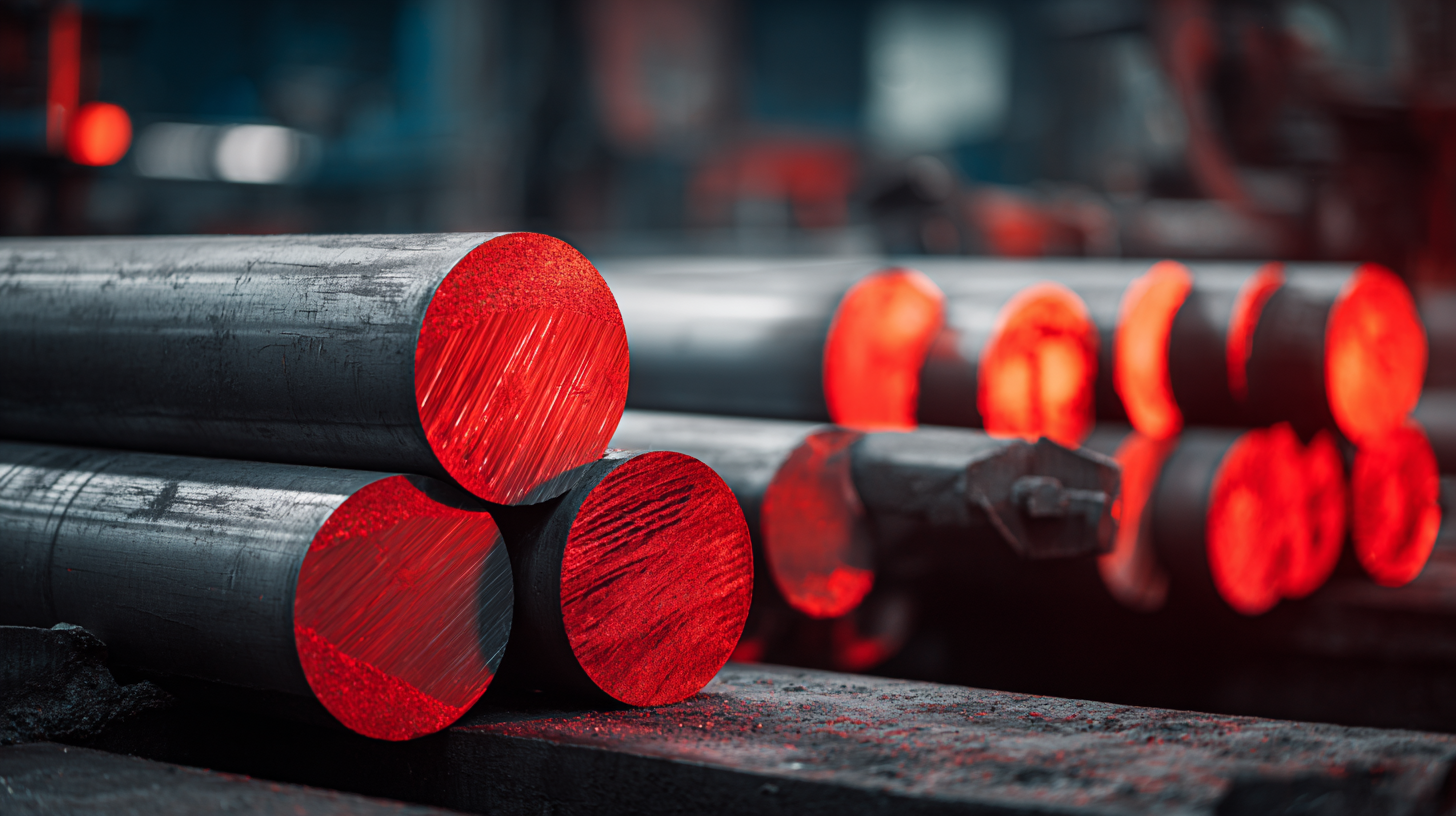
Exploring Innovative Steel-Alloy Compositions and Their Benefits
The use of innovative steel-alloy compositions is driving a transformation in modern industrial applications, enhancing performance and sustainability across various sectors. According to a report by the World Steel Association, advanced high-strength steels (AHSS) can reduce vehicle weight by 25%, leading to significant fuel savings and lower emissions. This versatility not only benefits the automotive industry but also extends to construction, where steel-alloy innovations improve structural integrity while minimizing material use.
Recent studies indicate that the integration of alloying elements such as chromium and nickel can enhance steel's resistance to corrosion and increase its lifespan. For example, stainless steel compositions are now widely employed in the architectural field, with a market demand projected to reach 20 million metric tons by 2025, as outlined in Research and Markets' latest report. This shift towards steel alloys that offer both durability and aesthetic appeal is reshaping how industries approach design and function, demonstrating the broad-ranging impact of modern metallurgical advancements.
Implementing Sustainable Practices in Steel Production and Use
The steel industry is witnessing a remarkable transformation driven by the need for sustainable practices in production and usage. As market estimates suggest that the structural steel market is projected to reach $116.56 billion in 2023, with a compound annual growth rate of 5.74% from 2024 to 2031, companies are increasingly focused on adopting environmentally friendly strategies. Initiatives such as the "Green steel collaboration" highlight the commitment to innovation, as industry leaders partner to produce vehicles made from steel manufactured using non-fossil energy sources.
Moreover, advancements in technology, particularly the integration of artificial intelligence in steel manufacturing, are reshaping operational efficiencies. This evolution aims to eliminate data silos and enhance resource allocation, thus paving the way for lower carbon emissions and energy savings. Steel producers are now actively investing in high-performance materials and eco-friendly production methods that align with the broader goals of sustainable development, marking a significant shift towards greener manufacturing processes.
Examining Advanced Fabrication Techniques for Steel Structures
Advanced fabrication techniques for steel structures have transformed modern industry, enabling the creation of complex designs with enhanced durability and efficiency. Techniques such as robotic welding and additive manufacturing have emerged as game changers, allowing for precision in joints and a reduction in material waste. These methods not only streamline production processes but also facilitate customization, catering to specific client needs and architectural requirements.
Furthermore, innovative methods like laser cutting and 3D printing are redefining the capabilities of steel fabrication. Laser cutting offers unparalleled accuracy in shaping steel components, while 3D printing allows for the rapid prototyping of intricate designs. These advancements not only improve turnaround times but also promote sustainability by minimizing excess material consumption. As industries continue to evolve, the integration of these advanced techniques will undoubtedly lead to even more sophisticated applications of steel in modern infrastructure and construction.
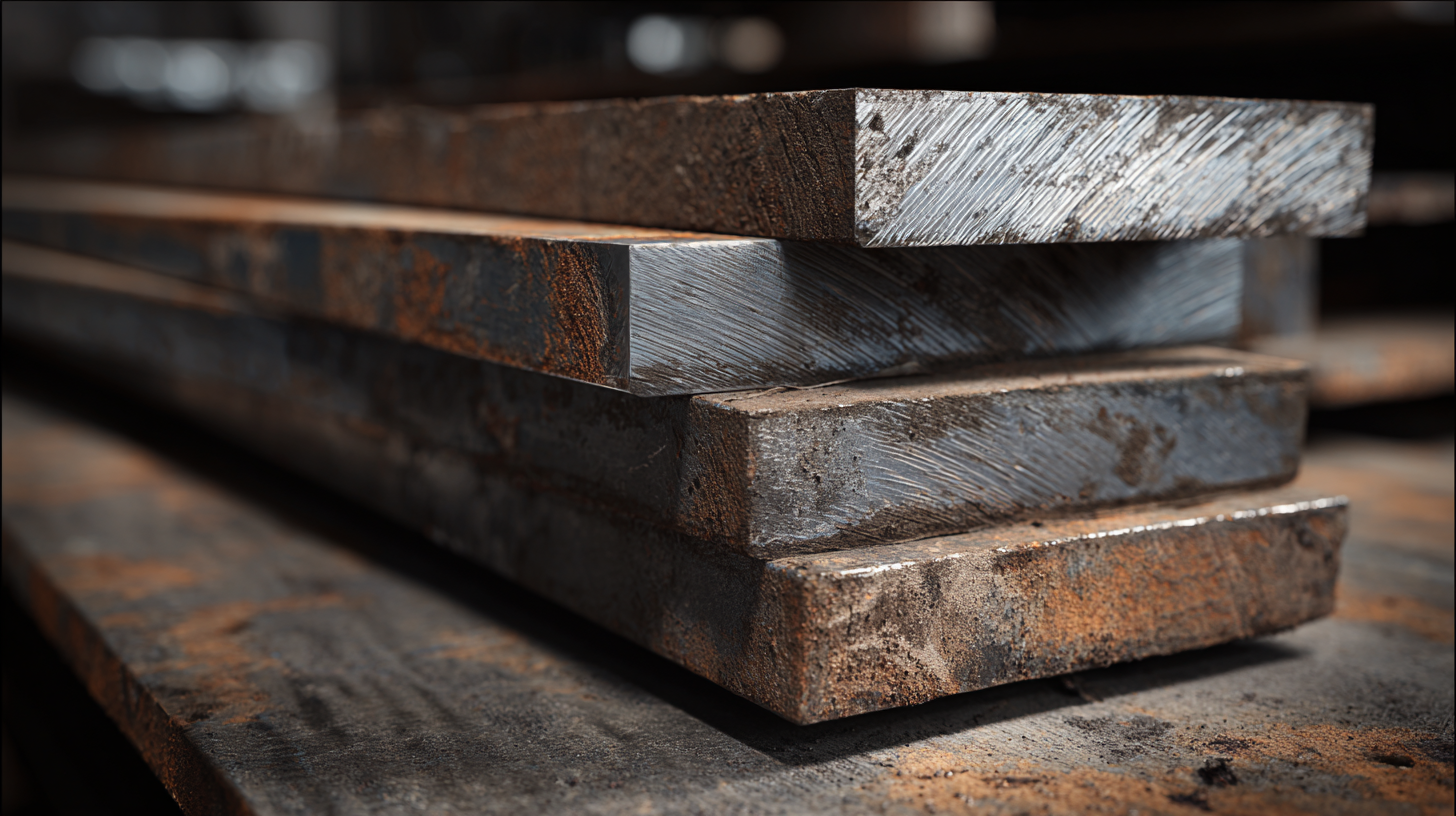
Assessing the Role of Steel in Emerging Technologies and Future Trends
Steel has long been a cornerstone of modern industry, but its role in emerging technologies is evolving rapidly. With advancements in material science, steel is now being engineered for enhanced properties, making it indispensable in sectors like renewable energy, aerospace, and automotive. For example, high-strength low-alloy (HSLA) steels are increasingly utilized in wind turbine construction, providing not only durability but also improved efficiency. This transformation highlights how steel adapts to meet the demands of sustainable technology, all while maintaining its traditional benefits of strength and recyclability.
Future trends point to an increased integration of steel in smart technologies, such as robotics and IoT devices. Innovations like smart steel, embedded with sensors and data-gathering capabilities, enable predictive maintenance and enhance structural integrity in construction. Additionally, the development of lightweight steel composites is paving the way for more fuel-efficient vehicles, addressing both performance and environmental concerns. Through these innovations, steel's versatility is being harnessed to create solutions that meet the complex challenges of a rapidly changing technological landscape.
Unveiling the Versatility of Steel Material: Innovations and Applications in Modern Industry
This chart illustrates the usage of steel across various industries, highlighting its versatility and importance in modern applications. The construction industry leads in steel consumption, followed by automotive and aerospace sectors, demonstrating the material's integral role in emerging technologies and future trends.