Understanding the Versatility of Steel Coils: Applications and Innovations in Modern Industry
Steel coils are essential components in various industrial applications due to their remarkable versatility and strength. As reported by the International Steel Association, the global demand for steel coils is projected to grow significantly, driven by sectors such as automotive, construction, and manufacturing. For instance, the automotive industry accounted for approximately 30% of steel consumption in 2020, with steel coils playing a critical role in vehicle production and component fabrication. Furthermore, innovations in manufacturing technologies, such as advanced coating processes and improved welding techniques, are enhancing the performance and aesthetic qualities of steel coils, making them increasingly suitable for diverse applications. This evolving landscape emphasizes the importance of understanding the multifaceted uses of steel coils, which continue to shape modern industry and contribute to sustainable practices.
Applications of Steel Coils in Construction: Strength Meets Flexibility
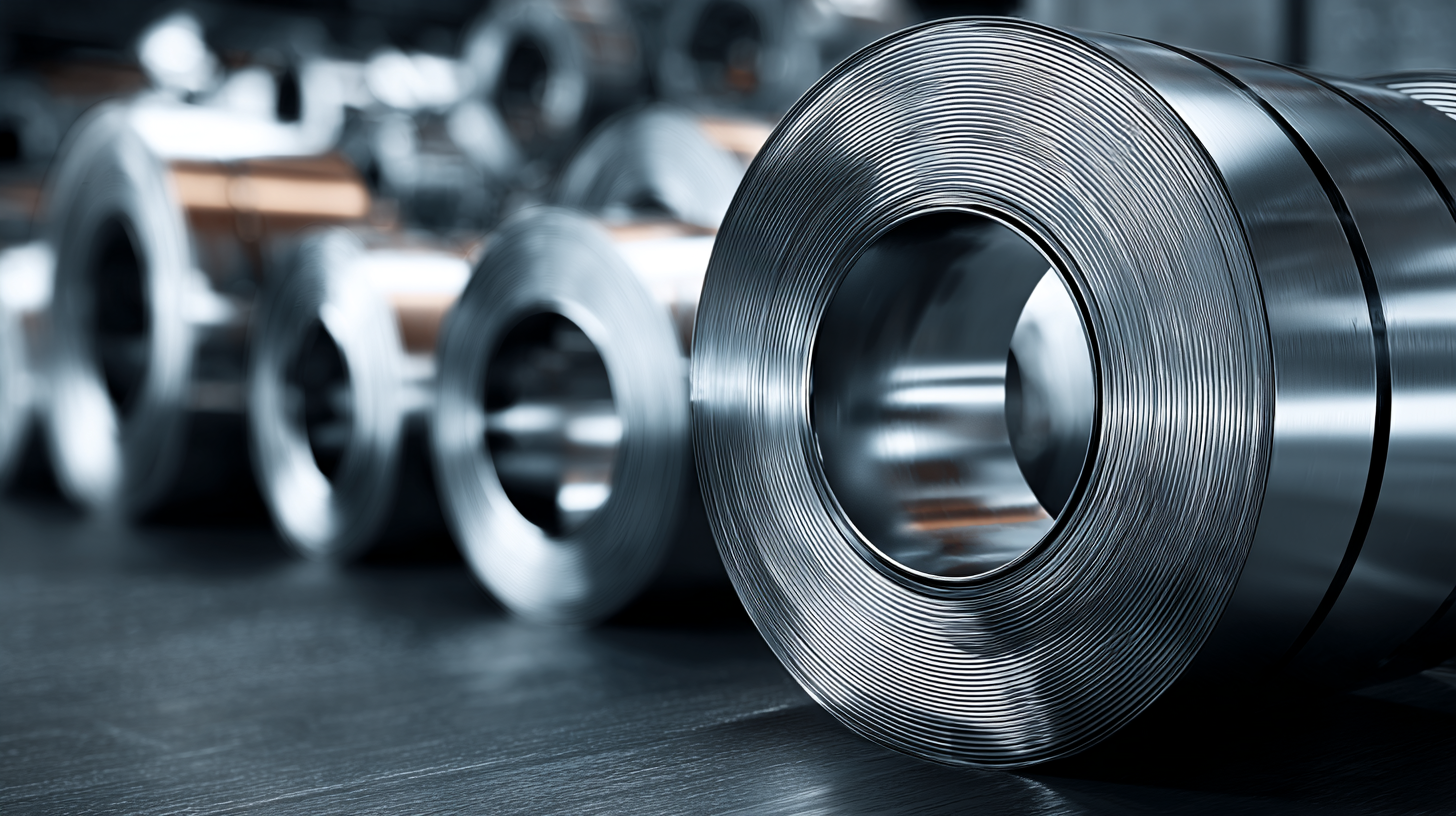
Steel coils play a pivotal role in the construction industry, where their combination of strength and flexibility meets the diverse needs of modern projects. The structural steel market is poised for substantial growth, projected to surpass USD 188.63 billion by 2034, driven by increased urbanization and sustainability efforts. Steel coils, especially in their flat form, offer the essential attributes needed for construction, providing durability while being adaptable to various architectural designs.
Recent advancements in steel manufacturing, such as the introduction of stainless steel coils, illustrate the industry's commitment to innovation. Companies are enhancing their product portfolios with new facilities aimed at increasing production capacity and meeting the rising demand in construction applications. In addition to traditional uses, innovative projects are incorporating steel coils in new technologies, including magnetoelectric sensors for smart systems, showcasing the material's versatility beyond mere structural needs, and emphasizing its integral role in the future of construction design and engineering.
Innovative Manufacturing Processes: Enhancing Steel Coil Performance
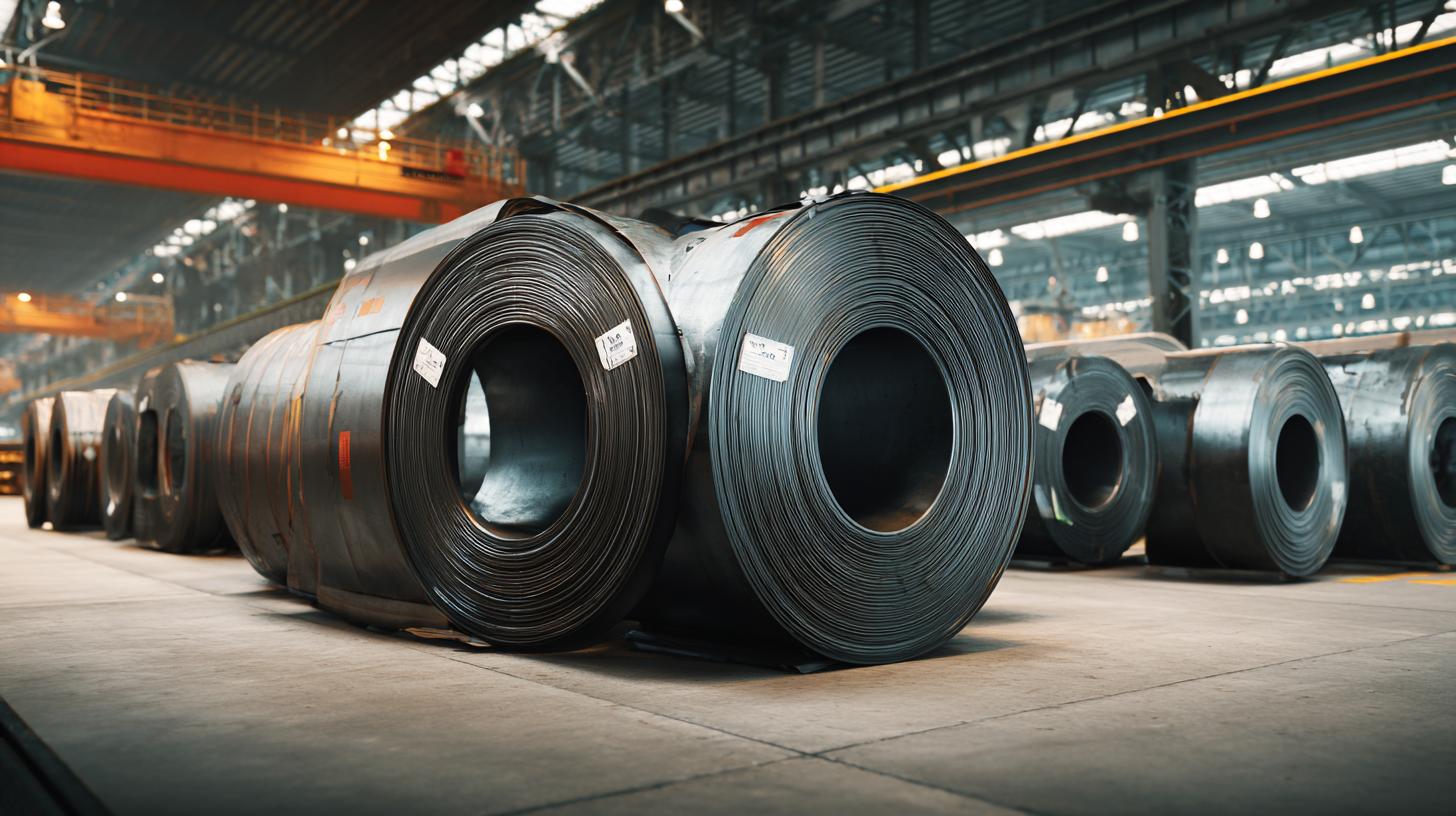
Innovative manufacturing processes have significantly enhanced the performance of steel coils, making them a vital component in various industries. According to the World Steel Association, advanced techniques like cold rolling and coating have improved both the mechanical properties and corrosion resistance of steel coils. These processes allow manufacturers to produce high-strength, lightweight materials that not only meet rigorous industry standards but also reduce material wastage. In fact, studies show that modern cold-rolled steel can achieve a tensile strength of up to 800 MPa, making it suitable for demanding applications such as automotive components and construction materials.
Additionally, innovations in surface treatment technologies, like galvanization and the application of polymer coatings, further extend the applicability of steel coils. A report from Research and Markets indicates that the global demand for coated steel is expected to reach 38 million tons by 2025, driven by sectors including automotive, construction, and consumer appliances. These treatment methods not only enhance the aesthetic appeal of steel products but also significantly improve their durability and sustainability. By incorporating these innovative manufacturing processes, the steel industry is adapting to contemporary needs while emphasizing performance and efficiency.
The Role of Steel Coils in Automotive Industry Advancements
In the automotive industry, the versatility and innovation of steel coils play a crucial role in enhancing vehicle performance and safety. The global galvanized steel coil market is expected to witness significant growth, projected to reach $57.2 billion in sales by 2035, driven largely by advances in infrastructure development. These coils are favored for their durability and corrosion resistance, making them ideal for various automotive components that require resilience and longevity.
Additionally, the cold rolled coil steel market is forecasted to expand from $88.35 billion in 2025 to $134.71 billion by 2032, illustrating a CAGR of 6.2%. This growth underscores the increasing demand for high-quality steel products across numerous applications, including the automotive sector, where weight reduction and fuel efficiency are paramount. Incorporating lighter materials such as advanced steel coils can lead automotive manufacturers to achieve stringent emission regulations while improving overall vehicle dynamics.
**Tip:** When selecting steel coils for automotive applications, consider factors such as tensile strength and corrosion resistance to ensure optimal performance and longevity.
**Tip:** Stay informed about market trends and advancements in manufacturing technologies, as these can greatly influence the specifications needed for automotive steel components.
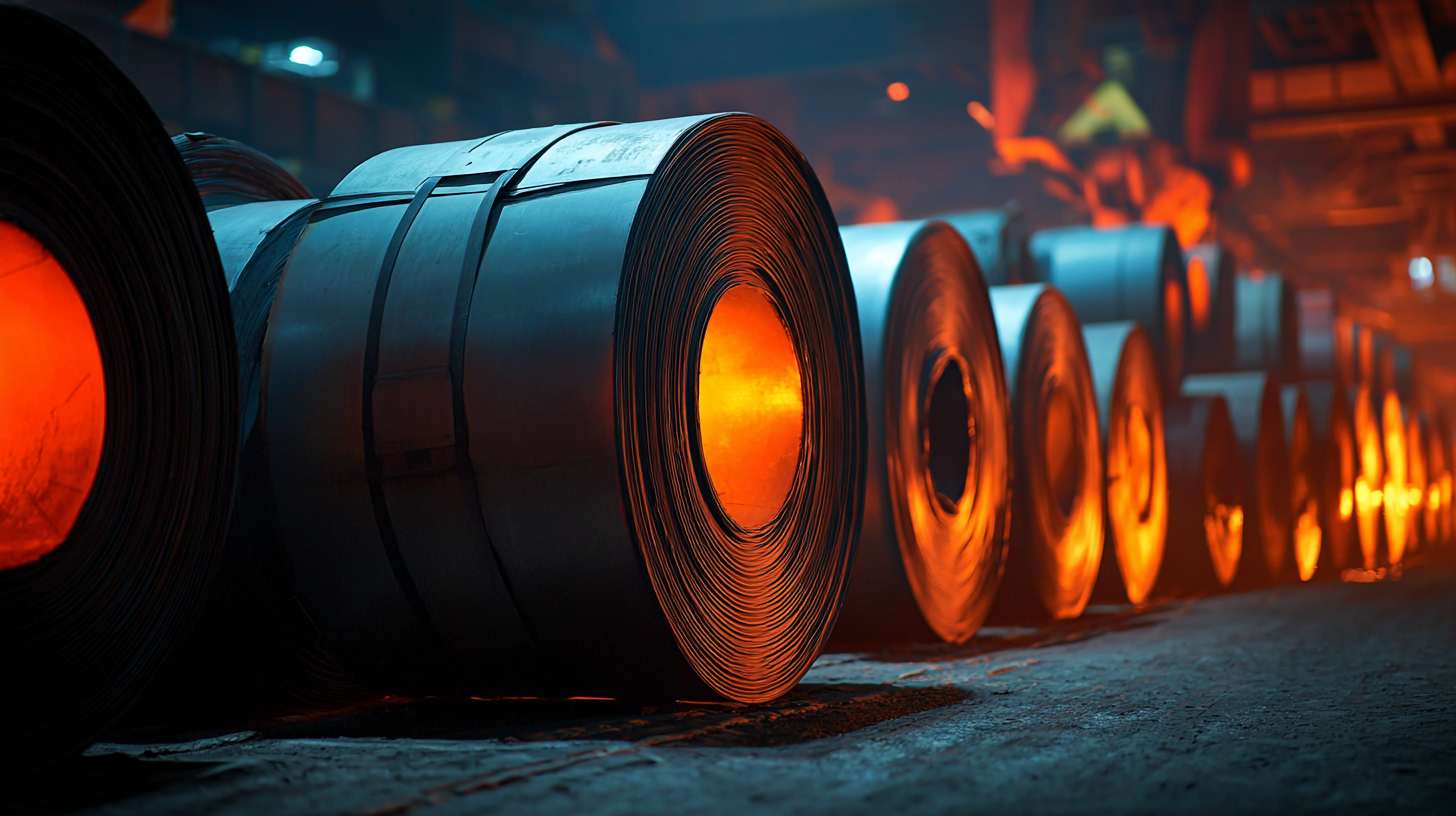
Sustainability in Steel Coil Production: Recycling and Eco-friendly Practices
The steel industry is increasingly focused on sustainability, particularly in the production of steel coils. Innovations such as recycling and the use of renewable energy sources have created a pathway for more eco-friendly practices within the sector. For instance, the recent developments in using recycled materials, such as XCarb® steel, showcase how sustainability can be integrated into construction and manufacturing processes, significantly reducing CO2 emissions.
**Tip:** One effective way to promote sustainability in steel production is by prioritizing the use of recycled materials. This not only helps in conserving natural resources but also decreases the energy consumption associated with producing new steel.
As the global market for cold rolled coil steel is anticipated to grow substantially, manufacturers are tasked with balancing increased demand while committing to environmentally responsible practices. Focusing on innovative approaches in steel processing—such as improvements in machining and welding—can facilitate this balance, enhancing efficiency and reducing waste.
**Tip:** Explore collaborative efforts with recycling facilities to ensure a steady supply of materials. Establishing partnerships can lead to improved resource management and a positive impact on the overall sustainability of the production process.
Understanding the Versatility of Steel Coils: Applications and Innovations in Modern Industry - Sustainability in Steel Coil Production: Recycling and Eco-friendly Practices
| Application Area |
Description |
Innovation Type |
Sustainability Practice |
| Automotive Industry |
Utilization of high-strength steel coils for lightweight vehicle design. |
Advanced manufacturing techniques like stamping and forming. |
Use of recycled steel and sustainable sourcing practices. |
| Construction |
Framework and roofing made from durable steel coils. |
Prefabricated steel components for faster assembly. |
Steel recycling initiatives in construction debris management. |
| Appliances |
Manufacturing of kitchen appliances using stainless steel coils. |
Innovative designs improving energy efficiency. |
Programmes for recycling old appliances. |
| Energy Sector |
Use of steel coils in wind turbines and solar panel frameworks. |
Developing lighter materials for renewable energy infrastructure. |
Reducing carbon footprint through recycled materials usage. |
| Packaging |
Steel coils used for durable and recyclable packaging solutions. |
Innovative packaging designs that reduce waste. |
Encouragement of circular economy practices. |
Future Trends: Smart Steel Coils and Industry 4.0 Integration
The integration of Smart Steel Coils into the framework of Industry 4.0 represents a significant evolution in manufacturing and material handling processes. These advanced steel coils are embedded with sensors and IoT technology, allowing for real-time data collection and analysis. This connectivity facilitates predictive maintenance and optimizes inventory management, ultimately enhancing operational efficiency. Manufacturers can monitor the condition of steel coils throughout their lifecycle, identifying potential issues before they become critical, thereby reducing downtime and extending the product's lifespan.
Moreover, the application of artificial intelligence (AI) and machine learning technologies in conjunction with smart steel coils is revolutionizing how industries approach production. By analyzing the data collected from these coils, companies can gain valuable insights into usage patterns and production workflows. This enables personalized production strategies, thoughtful resource allocation, and improved supply chain management. As industries increasingly prioritize sustainability and efficiency, the smart steel coil represents not just innovation but a crucial step toward a more intelligent, responsive, and environmentally conscious future in manufacturing.