2026 How to Use Galvanized Corrugated Steel Sheet in Construction Projects?
In recent years, the use of Galvanized Corrugated Steel Sheet has gained popularity in construction projects. This material offers a blend of durability and versatility that appeals to builders and designers alike. The corrugated design provides structural strength while remaining lightweight.
Many construction professionals appreciate its resistance to rust and corrosion, making it suitable for various environments. However, it is not without challenges. Proper installation techniques must be used to maximize its benefits. Mistakes during installation can lead to premature deterioration or structural issues.
Maintaining the aesthetic appeal of a project is also a consideration. While the industrial look may suit some designs, it may clash with others. Ultimately, the successful implementation of Galvanized Corrugated Steel Sheet requires careful planning and adaptation. Each project can provide learning opportunities for future applications, pushing the boundaries of creativity and functionality in construction.
Introduction to Galvanized Corrugated Steel Sheets
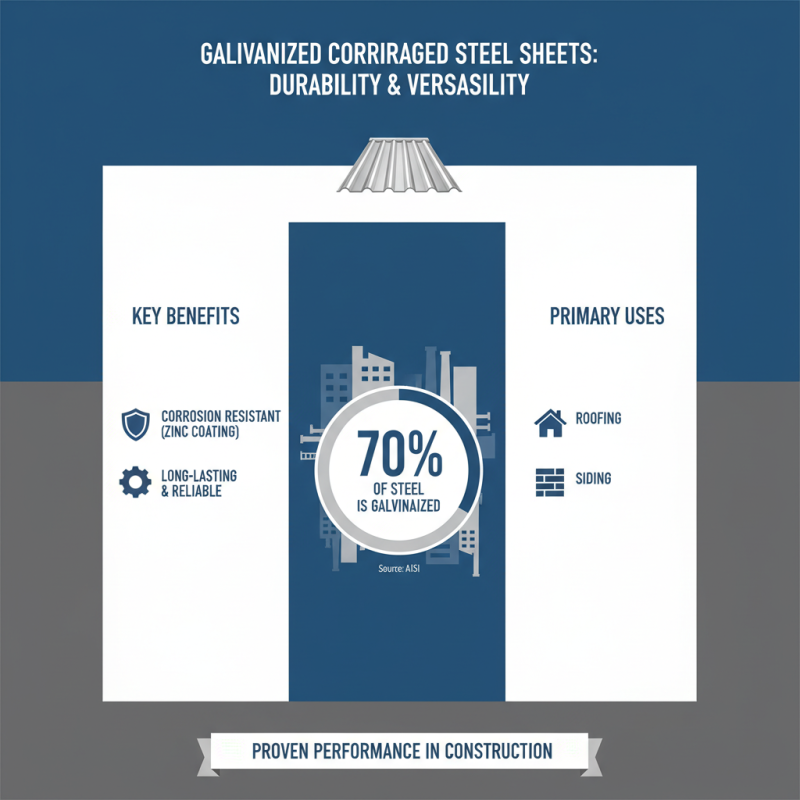
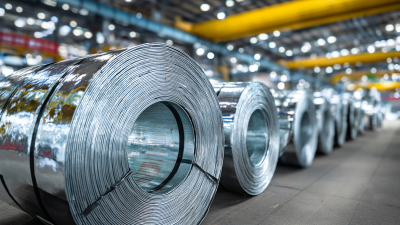
Galvanized corrugated steel sheets have gained popularity in construction projects due to their durability and versatility. These sheets, coated with a layer of zinc, are resistant to corrosion. According to the American Iron and Steel Institute (AISI), about 70% of steel produced is galvanized, reflecting its widespread use in the industry. This makes it a reliable choice for roofing and siding applications.
One key benefit is their lightweight nature, which simplifies transport and installation. However, the sheets can bend or warp if not handled correctly. Many construction teams overlook this aspect, leading to structural issues later on. Always store sheets flat and handle them with care to avoid damaging the material.
In terms of thermal efficiency, galvanized sheets can reflect heat, thus lowering energy costs in buildings. A study by the National Renewable Energy Laboratory indicates that reflective roofing can reduce cooling energy by up to 15%. Although innovative, integrating these sheets requires meticulous planning. Some projects might underestimate the need for proper sealing and insulation, which can lead to inefficiencies. Balancing benefits with proper execution is crucial for successful integration in projects.
Benefits of Using Galvanized Corrugated Steel in Construction
Galvanized corrugated steel sheets are widely used in construction projects. They offer a sturdy and durable solution for various structural needs. One key benefit is their resistance to corrosion. This feature prolongs the lifespan of constructions exposed to harsh weather. Rain, snow, and humidity can compromise other materials. But galvanized steel holds up well, reducing the need for frequent repairs.
Cost-effectiveness is another significant advantage. While the initial investment might seem high, savings accrue over time. Maintenance costs are lower with galvanized steel. Additionally, it can be recycled easily when no longer needed. This aligns with sustainability efforts in construction.
However, there are aspects to consider. Installation requires skilled labor. Proper techniques are crucial for optimal performance. Poor installation can lead to leaks and rust, undermining benefits. It's essential to evaluate whether the advantages truly outweigh the challenges in specific projects.
Benefits of Using Galvanized Corrugated Steel in Construction
Step-by-Step Guide to Installing Corrugated Steel Sheets
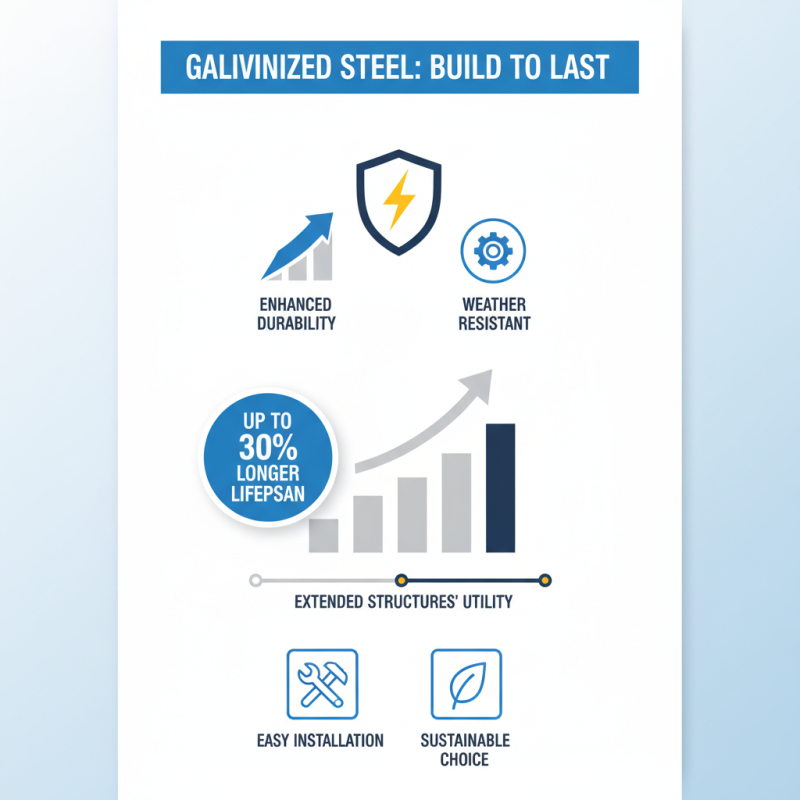
Installing galvanized corrugated steel sheets can be a rewarding experience. This material is known for its durability and weather resistance. According to recent industry reports, using galvanized steel can increase a structure's lifespan by up to 30%. This is significant for construction projects.
Start by measuring the area where you will install the sheets. Use a tape measure to ensure accuracy. Cut the sheets to size, if necessary. When laying the sheets, overlap them by at least one corrugation to prevent leaks. Fasten them securely using screws or nails. It’s essential to check the manufacturer's guidelines for the appropriate spacing.
**Tip:** Always wear protective gear when handling steel sheets. Sharp edges can cause injuries.
Ensure proper drainage to avoid water pooling. However, not all sites allow for perfect drainage. This could lead to rust over time. Monitor the installation regularly. Look for signs of wear or damage. Address small issues before they become significant problems.
**Tip:** Consider using a sealant on edges for extra protection. It can extend the life of your project significantly. This simple step is often overlooked, but it makes a real difference.
Common Applications of Galvanized Corrugated Steel in Building Projects
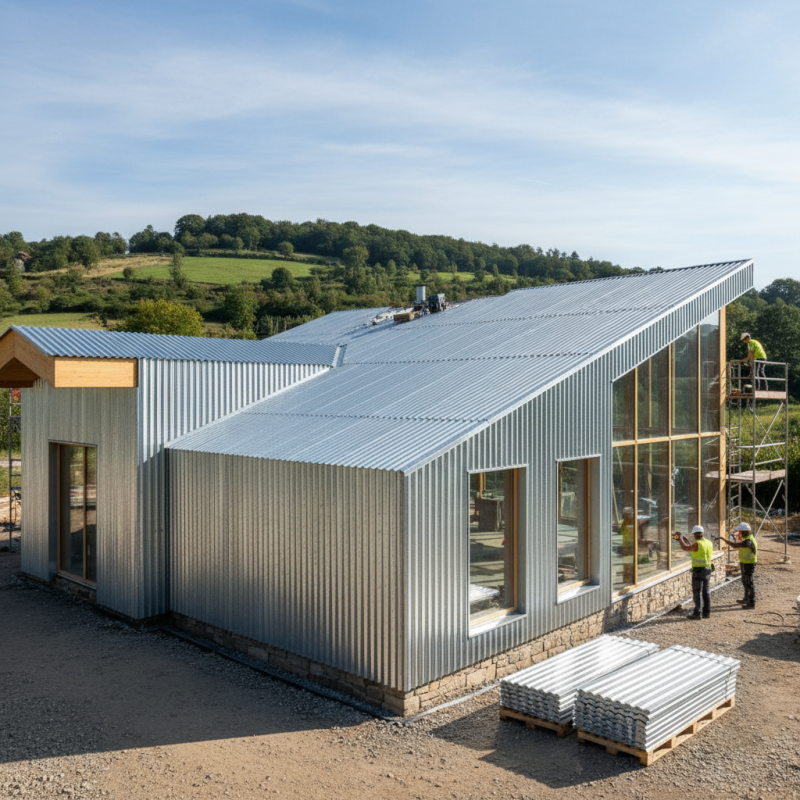
Galvanized corrugated steel sheets are widely used in various building projects. Their durability is unmatched. These sheets resist corrosion, making them ideal for roofs and walls. They can withstand harsh weather conditions, such as heavy rain and snow. The ridged design also adds strength to the structure.
In commercial construction, these sheets often serve as roofing materials. They are lightweight and easy to install. Their reflective surface helps in managing heat, which can reduce cooling costs. In residential projects, many builders choose these sheets for sheds and garages. They provide a rustic aesthetic while being functional.
However, using galvanized corrugated steel may pose some challenges. Proper installation is crucial to avoid future leaks. The edges can be sharp and require careful handling. Not all designs suit this material, so planning is essential. Overall, this material has both benefits and drawbacks worth considering in any construction project.
Maintenance Tips for Longevity of Corrugated Steel Structures
Maintaining corrugated steel structures is essential for their longevity.
Regular inspection helps identify issues early. Look for rust,
dents, or loose panels. These problems can escalate if ignored.
A small rust spot can become a larger issue over time. This deterioration can affect overall structural integrity.
Cleaning is another crucial aspect. Remove debris regularly. This prevents moisture buildup, which can lead to corrosion.
Using a mild detergent and water works well. Avoid harsh chemicals that can damage the steel. It's a simple task but often overlooked.
Proper drainage systems also play a vital role in maintenance. Ensure gutters and downspouts are clear.
They direct water away from structures, reducing moisture-related damage. Additionally, consider applying protective coatings.
These can enhance durability and provide an extra layer against the elements. Regular upkeep may seem tedious, but it's necessary.
Many projects fail to prioritize maintenance, leading to premature failures.
Investing time in these simple tasks can significantly extend the life of corrugated steel buildings.