Top 10 Uses of Steel Pipe in Construction and Industry You Should Know
In today's construction and industrial sectors, the significance of materials used is paramount, and one material that stands out is steel pipe. Widely recognized for its strength and versatility, steel pipe plays an essential role in a variety of applications, ranging from infrastructure development to manufacturing processes. Its unique properties make it an ideal choice for a plethora of projects, ensuring both durability and efficiency.
The uses of steel pipe extend beyond basic plumbing needs; it is a cornerstone of modern construction and industry. From providing structural support and facilitating fluid transportation to serving as protective conduits for electrical wiring, the applications are diverse and critical. This article highlights the top ten uses of steel pipe that every construction professional and industry expert should know, showcasing how this indispensable material contributes to safety, innovation, and sustainability in building practices. Understanding these applications not only enhances project planning but also informs best practices for future developments, solidifying the place of steel pipe at the heart of modern construction and industry.
Essential Properties of Steel Pipe in Construction and Industry
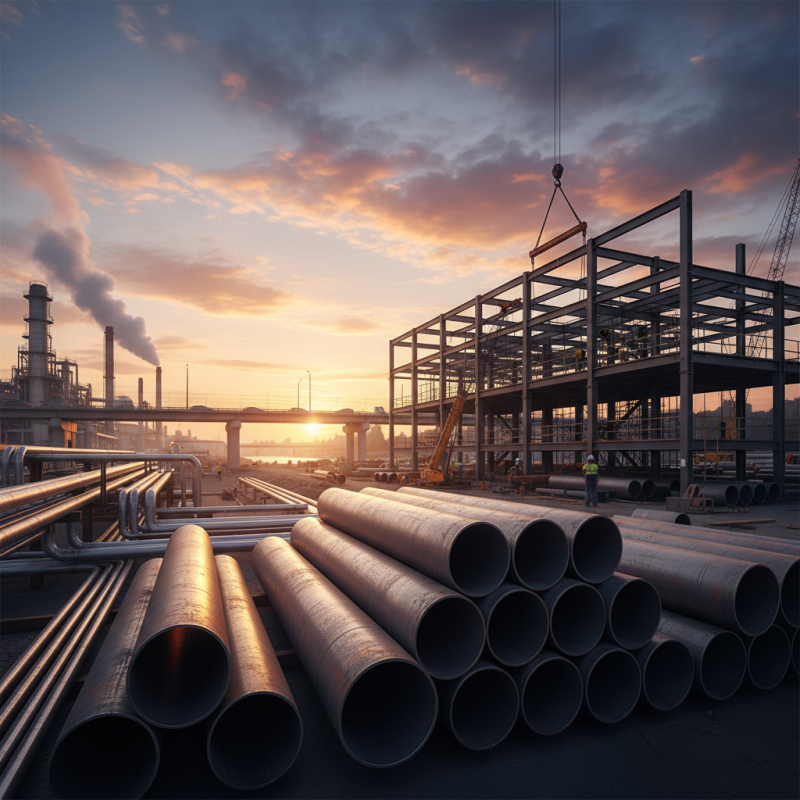
Steel pipes are foundational elements in construction and various industrial applications, primarily due to their exceptional properties. The tensile strength of steel, which can reach up to 250 MPa, makes it an ideal choice for structural applications where robustness is critical. According to a 2021 report by the World Steel Association, over 1.5 billion tons of steel are produced globally each year, with a significant portion being used in pipe manufacturing. The inherent durability of steel with properties like corrosion resistance, especially in galvanized forms, allows for extended service life in harsh environments, crucial for industries such as oil and gas.
Moreover, steel pipes offer versatility that is indispensable in modern constructions and industrial systems. Their ability to withstand high pressures and temperatures enables their use in fluid transportation, such as in water supply systems and HVAC applications. The American Society of Civil Engineers highlights that the structural integrity provided by steel piping systems can reduce the likelihood of failures, ultimately leading to lower maintenance costs over time. With the global shift towards sustainable practices, the recyclability of steel pipes further enhances their value, promoting eco-friendly construction practices.
Top Applications of Steel Pipe in Structural Frameworks
Steel pipes play a crucial role in the construction and industrial sectors, particularly as key components in structural frameworks. Their strength, durability, and versatility make them an ideal choice for building support systems. In various applications, steel pipes are used to form the backbone of structures, providing essential support for roofs, walls, and other load-bearing elements. By leveraging the material's high tensile strength, engineers can design buildings that withstand heavy loads and adverse environmental conditions, ensuring structural integrity over time.
In addition to offering support, steel pipes are instrumental in facilitating the construction process itself. They can be employed as scaffolding, enabling workers to access elevated areas safely during construction and maintenance tasks. Furthermore, they are often utilized in the creation of frameworks for industrial facilities, such as factories and warehouses, where they can be configured to optimize space and enhance workflow efficiency. The adaptability of steel pipes allows for innovative designs that meet the specific needs of any project, contributing to the advancement of modern architectural practices.
Steel Pipe in Plumbing and Water Supply Systems
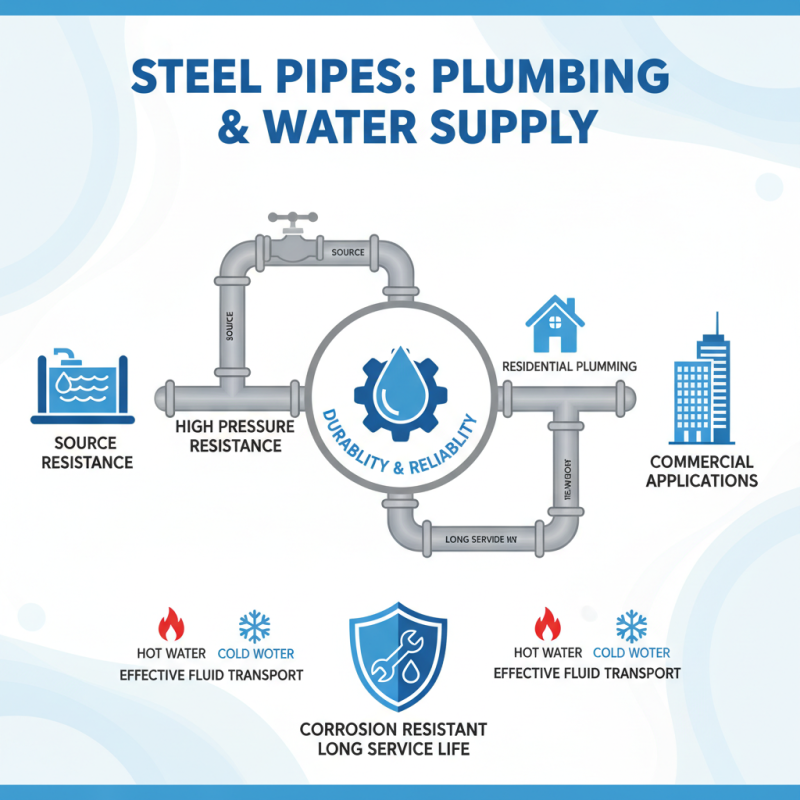
Steel pipes play a critical role in plumbing and water supply systems, offering durability and reliability that are essential for effective fluid transport. Due to their strength and resistance to corrosion, steel pipes are favored in both residential and commercial plumbing applications. These pipes can withstand high pressure, making them ideal for moving cold and hot water from source to point of use, ensuring that systems remain operational even under demanding conditions.
In addition to their structural integrity, steel pipes are also beneficial for their longevity and low maintenance requirements. Unlike other materials that may degrade over time, steel pipes can last decades with proper installation and care. Furthermore, their recyclability makes them an environmentally friendly option for modern plumbing systems. With the growing emphasis on sustainability in construction, the use of steel pipes in plumbing and water supply systems aligns well with eco-conscious building practices, providing a reliable solution while minimizing environmental impact.
Innovative Uses of Steel Pipe in Transportation and Infrastructure
Steel pipes play a crucial role in the development of transportation and infrastructure, serving as essential components in various applications. One significant use of steel pipes is in the construction of highways and railways, where they are employed as support structures and drainage solutions. Their strength and durability enable them to withstand heavy loads and resist corrosion, making them suitable for long-lasting installations. Moreover, steel pipes are often used in tunnel construction, providing structural integrity and protecting against soil erosion. This versatility ensures the safety and reliability of transportation networks.
In addition to traditional uses, steel pipes are increasingly being integrated into innovative infrastructure projects. For instance, in urban areas, steel pipes contribute to smart city initiatives by facilitating advanced sewage and stormwater management systems. These systems enhance water flow and reduce the risk of flooding, thereby improving overall urban resilience. Furthermore, steel pipes are essential in telecommunications and energy sectors, providing pathways for cable management and housing for utility connections. Their adaptability and strength continue to support the evolving needs of modern transportation and infrastructure, highlighting their importance in sustainable development strategies.
Top 10 Uses of Steel Pipe in Construction and Industry
Environmental Benefits of Using Steel Pipe in Sustainable Practices
The use of steel pipe in construction and industry offers significant environmental benefits, particularly in the context of sustainable practices. Steel pipes are highly durable and recyclable, which makes them an excellent choice for reducing waste in various projects. Their longevity not only minimizes the need for frequent replacements but also contributes to lower resource consumption overall. When steel pipes reach the end of their lifecycle, they can be recycled to produce new steel products, thus closing the loop in material use and reducing the demand for virgin materials.
Furthermore, steel pipes are often manufactured using energy-efficient processes, which can help lower the overall carbon footprint of construction projects. The lightweight nature of modern steel pipes also allows for easier transportation and installation, reducing emissions associated with heavy machinery and logistics. By implementing steel pipes in infrastructure development, companies can enhance their commitment to sustainability while ensuring robust and reliable solutions for their industrial needs. This results in a more eco-friendly approach that aligns with modern environmental standards and promotes responsible resource management.