Leave Your Message

China Top 10 Steel Sheet Suppliers for Global Buyers

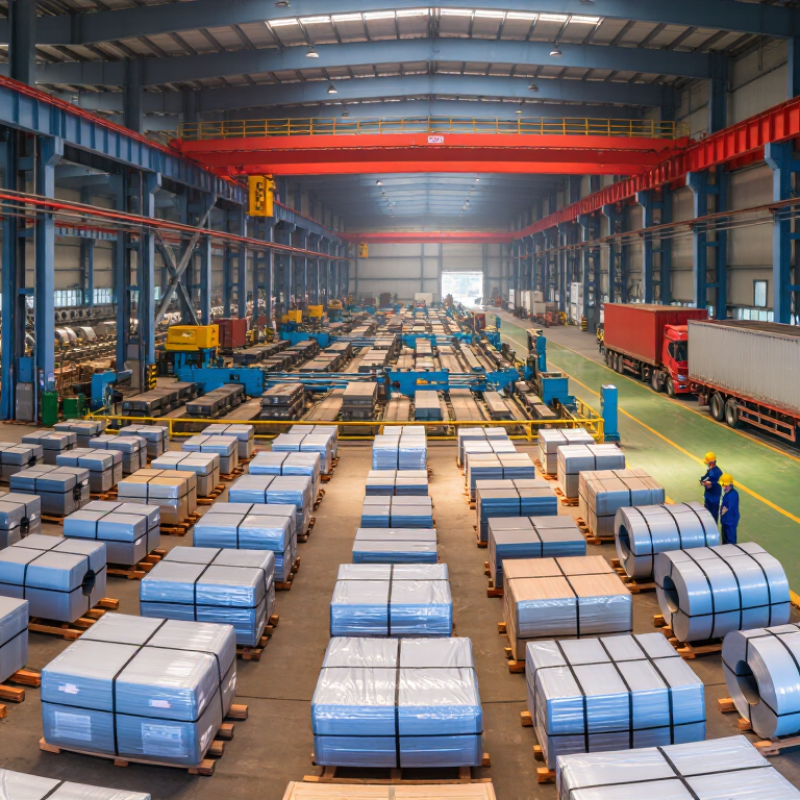
Choosing a steel sheet supplier is not a simple price comparison. Buyers must match grade, thickness, coating, dimensions, and delivery needs to the intended application. A roofing project may require corrosion resistance, while a fabrication line may depend on consistent flatness and tight thickness tolerances. Small differences matter.

Dr. Edwin Basson, Director General of worldsteel, has described steel as “the most important engineering and construction material in the world.” That perspective helps explain why supplier selection deserves care. A dependable supplier should provide clear product specifications, inspection records, and realistic lead times. Ask how sheets are packed, labeled, and protected against moisture during transit. Check sample documents before placing a large order. Details show.

This guide reviews China’s top 10 Steel Sheet suppliers for global buyers, focusing on practical factors rather than rankings alone. Company capabilities, product range, export experience, and communication standards can vary. Buyers should verify current certifications and claims directly with each supplier. A polished website is not proof of consistent quality. Nor is the lowest quote always the best value. There are gaps in public information, and this comparison cannot replace factory audits or independent testing. Use it as a starting point. Look closely at what each supplier can document, and confirm the details that matter to your project.
China Top 10 Steel Sheet Suppliers for Global Buyers

Steel Sheet Types, Grades, and Common Applications

Steel sheet is not a single material. Carbon steel sheet is widely used for brackets, cabinets, and vehicle panels because it is formable and economical. Galvanized sheet has a zinc coating that helps resist corrosion in damp service. Stainless sheet suits food-processing equipment, washdown areas, and architectural trim. Aluminum-coated and prepainted sheets serve applications where heat resistance or a finished surface matters. Details count.

Grades describe properties such as strength, formability, and chemical composition. A low-carbon grade can bend around a tight radius, while higher-strength grades may reduce component weight. Stainless grades differ in corrosion resistance, so exposure to salt, cleaning chemicals, and heat should guide selection. A grade name alone is not enough. Confirm the applicable specification, thickness tolerance, coating weight, and surface finish before ordering.

Applications set the practical requirements. A roofing sheet may need weather resistance and consistent color; a stamped appliance panel needs predictable forming behavior. Buyers should also check whether dimensions and inspection documents match the intended fabrication process. Standards and thickness conventions can vary by market, and terminology is sometimes used loosely. That can cause trouble. When unsure, request a sample and test it with the actual tooling; a neat specification sheet cannot reveal every forming issue.

Steel Sheet Types, Grades & Applications

Typical commercially available thickness ranges for common steel sheet products, shown in millimeters.

Hot-rolled sheet is commonly used in fabrication and structural components; cold-rolled sheet in appliances and formed panels; galvanized sheet in roofing and building products; and stainless sheet in food-processing and corrosion-resistant equipment. Actual ranges vary by grade, specification, and mill.

How to Evaluate Chinese Steel Sheet Suppliers

When evaluating Chinese steel sheet suppliers, begin with the specification, not the quotation. Define grade, thickness, width, coating mass, flatness, and surface finish in writing. Ask for recent mill test certificates and check that heat numbers match the bundles you receive. A certificate is useful, but it cannot prove every delivered sheet is consistent.

Production scale offers context, not a quality guarantee. World Steel Association data reports that China produced about 1,019 million tonnes of crude steel in 2023. That volume means buyers can compare many mills, but sheet performance still depends on process control and inspection. Request a small trial order, then measure thickness at several points and inspect edges, coating, and packaging. Keep dated photos. Small details matter.

Check whether the supplier can explain its tolerances and traceability process without vague promises. Verify relevant quality-system certificates with the issuing body, and consider an independent pre-shipment inspection for large orders. OECD’s 2024 Steel Outlook projected global steelmaking capacity would rise 6.7% to 2.5 billion tonnes by 2026, making careful supplier screening especially practical. I would not rely on a polished factory video alone. It may look convincing, but it tells little about the batch reserved for your order. Compare lead times, payment milestones, and claim procedures before signing. A missed detail here can become an expensive delay.

China’s Top 10 Steel Sheet Suppliers at a Glance

China’s Top 10 Steel Sheet Suppliers at a Glance should be read as a comparison, not a universal ranking. The right choice depends on the grade, dimensions, finish, and delivery schedule your project requires. Some suppliers focus on large-volume coils, while others offer cut-to-length sheets or smaller batches. Details matter. Compare hot-rolled, cold-rolled, and coated options, then check thickness and width tolerances against your drawings. A low quoted price can lose its appeal if the material arrives poorly protected or needs extra processing.

Before requesting quotations, prepare a clear specification sheet. Include grade, thickness, width, quantity, surface finish, packaging, destination port, and preferred delivery window. Ask for current inspection documents and sample reports relevant to the requested product; verify that they match the quoted specification. Also clarify payment terms, production lead time, and how changes are handled after an order is confirmed. Ask for evidence. Supplier webpages may look similar, but responsiveness and document accuracy can differ. One detail is easy to overlook: transit time and local handling can affect the usable delivery date. A shortlist of ten is a starting point, not proof that every supplier fits your needs. Compare the same requirements across quotations, and flag any unclear item for written confirmation.

Comparing Supplier Products, Capacity, and Export Services

A useful comparison starts with the sheet itself: hot-rolled, cold-rolled, galvanized, or coated steel serve different applications. Compare thickness and width ranges, coating mass, tolerances, and available grades against your drawings. The World Steel Association’s World Steel in Figures 2025 reports 1,882.6 million tonnes of crude steel production in 2024. That scale shows a large global market, but it does not prove any supplier can deliver a particular sheet specification consistently.

Capacity figures can mislead. Ask whether stated output refers to steelmaking, rolling, or finished sheets, and request recent production records for comparable orders. Check sample inspection reports, mill test certificates, and packaging details, such as moisture protection and edge guards. These small details matter. I would not rank suppliers by annual capacity alone; actual availability can shift with product mix and order timing.

Export service deserves equal scrutiny. Compare lead times, minimum order quantities, port options, documentation support, and how promptly suppliers resolve quality claims. The World Bank’s 2023 Logistics Performance Index assesses customs, infrastructure, shipment arrangements, tracking, and timeliness—useful context when evaluating delivery plans. Request a written schedule with inspection and loading milestones. Some quotations look complete but leave inspection responsibilities vague; clarify that before comparing landed costs.

China Top 10 Steel Sheet Suppliers for Global Buyers - Comparing Supplier Products, Capacity, and Export Services

Anonymous comparison guide. The entries below describe common product and service capabilities available from Chinese steel sheet suppliers; they are not verified profiles or a ranked list of specific companies. Actual specifications, production capacity, lead times, and export terms must be confirmed directly with each supplier.

Supplier Profile Main Sheet Products Common Grades or Standards Typical Buyer Applications Production Capacity Information Export Services to Confirm
Supplier 01 — Hot-Rolled Sheet Hot-rolled carbon steel sheet and coil; pickled and oiled material may be available. Commonly specified to standards such as ASTM A36, EN 10025 S235JR, or equivalent grades, subject to mill confirmation. Structural fabrication, machinery, welded components, and general engineering. Mill-specific output and available dimensions are not disclosed in this generic profile; request a current production schedule and monthly allocation. Confirm export packing, coil or sheet loading, mill test certificates, inspection options, and port of loading.
Supplier 02 — Cold-Rolled Sheet Cold-rolled sheet and coil, including commercial-quality and drawing-quality options. Common references include ASTM A1008 and EN 10130 grades; exact grade and finish must be agreed in the purchase order. Appliance panels, furniture, light fabrication, and formed parts. Capacity, thickness range, and minimum order quantity vary by production line and are not stated here. Ask about surface-finish protection, slit-width tolerances, export documentation, and sample or trial orders.
Supplier 03 — Hot-Dip Galvanized Sheet Hot-dip galvanized steel sheet and coil with specified zinc-coating options. Common references include ASTM A653 and EN 10346; coating designation and steel grade should be specified separately. Roofing, building components, ducts, enclosures, and corrosion-protected fabrication. Confirm line availability, coating mass, thickness range, and order quantity with the individual supplier. Confirm coating test records, passivation or oiling options, seaworthy packing, and documentation requirements.
Supplier 04 — Pre-Painted Galvanized Sheet Pre-painted galvanized or other coated steel coil and sheet in project-specific colors. Substrate and coating systems vary; request the applicable substrate standard, paint system, coating thickness, and color reference. Building cladding, roofing, appliance panels, and interior construction products. Color-change schedules and coating-line availability affect lead time; no facility capacity is asserted in this table. Confirm color matching, sample approval, protective film, bundle packing, and warranty terms for the specified environment.
Supplier 05 — Galvalume-Type Sheet Aluminum-zinc alloy coated steel sheet and coil, sometimes offered with additional surface treatments. Common references include ASTM A792 and EN 10346; coating designation and substrate grade require confirmation. Roofing and siding, agricultural buildings, and applications requiring coated sheet. Available coating mass, dimensions, and production slots are supplier-specific and should be verified before ordering. Request coating specifications, inspection records, packing details, and confirmation of destination-market requirements.
Supplier 06 — Structural Plate and Heavy Sheet Hot-rolled heavy sheet and plate in carbon or structural grades, subject to mill range. Project specifications may reference ASTM A36, EN 10025, or other applicable standards; grade equivalence is not automatic. Bridges, industrial structures, heavy equipment, and fabricated sections. Maximum thickness, width, plate length, and rolling capacity depend on the mill; request a capability sheet for the specific order. Confirm plate marking, heat traceability, third-party inspection, lifting arrangements, and break-bulk or container loading options.
Supplier 07 — Stainless Steel Sheet Stainless sheet and coil in common austenitic and ferritic grades, depending on stock or mill supply. Common references include ASTM A240 and EN 10088; grade, finish, and surface protection should be listed explicitly. Food-service equipment, chemical equipment, architectural work, and general fabrication. Stock availability and mill production capacity are not comparable without grade, finish, thickness, and quantity details. Confirm finish samples, protective film, material certificates, corrosion-service suitability, and export packing.
Supplier 08 — Weathering Steel Sheet Weather-resistant structural steel sheet or plate, subject to grade and thickness availability. Specifications may reference ASTM A588 or relevant EN weathering-steel grades; verify the exact standard and grade. Exposed structural components, transport infrastructure, and architectural applications. Production availability is grade- and thickness-dependent; confirm the mill route, quantity, and delivery schedule. Request chemical and mechanical test certificates, surface-condition details, inspection arrangements, and shipping protection.
Supplier 09 — Electrical Steel Sheet Grain-oriented or non-oriented electrical steel sheet and coil, where available. Grade designation, magnetic properties, thickness, and test method must be specified according to the intended application. Transformers, motors, generators, and other magnetic-core applications. Specialized production and allocation can be limited; obtain written confirmation of grade availability and lead time. Confirm magnetic-property reports, edge condition, coil dimensions, moisture protection, and traceability documentation.
Supplier 10 — Sheet Service-Center Supply Multi-category sheet and coil sourcing, with possible slitting, cut-to-length, or other processing through service facilities. Grade and standard depend on the sourced material; require original mill identification and certificates where needed. Buyers needing mixed products, processed dimensions, or consolidated shipments. Processing throughput and stock depth vary by location; request machine limits, tolerance capability, and available inventory. Confirm whether processing is in-house, packaging by item, consolidation, export customs support, and shipment terms such as FOB or CIF.

Verifying Suppliers and Managing International Steel Sheet Orders

Verifying a steel sheet supplier starts with matching its claims to specific records. Ask who produces the material and who handles export documents. Check that the company’s registered details, facility address, and quotation information are consistent. Request a recent inspection report and a mill test certificate tied to the proposed grade and batch.

A polished PDF is not proof by itself. Confirm document details with the issuing party when possible, and consider an independent inspection before shipment.

Write the order specification in measurable terms: steel grade, thickness tolerance, width, surface finish, coating weight, sheet count, and packaging method. Ask for clear photos of edge protection and labels showing heat or batch numbers. Small details matter.

Agree on inspection timing, payment milestones, shipment terms, and which party provides each document. Verify any bank-account change through a separate, trusted contact channel. For international orders, compare the commercial invoice, packing list, and transport document before goods leave the port. No checklist catches everything; even experienced buyers can overlook a small mismatch. Keep written records of changes, and pause loading if the final measurements or batch references differ from the approved order.