Why is Steel Material Essential in Modern Construction?
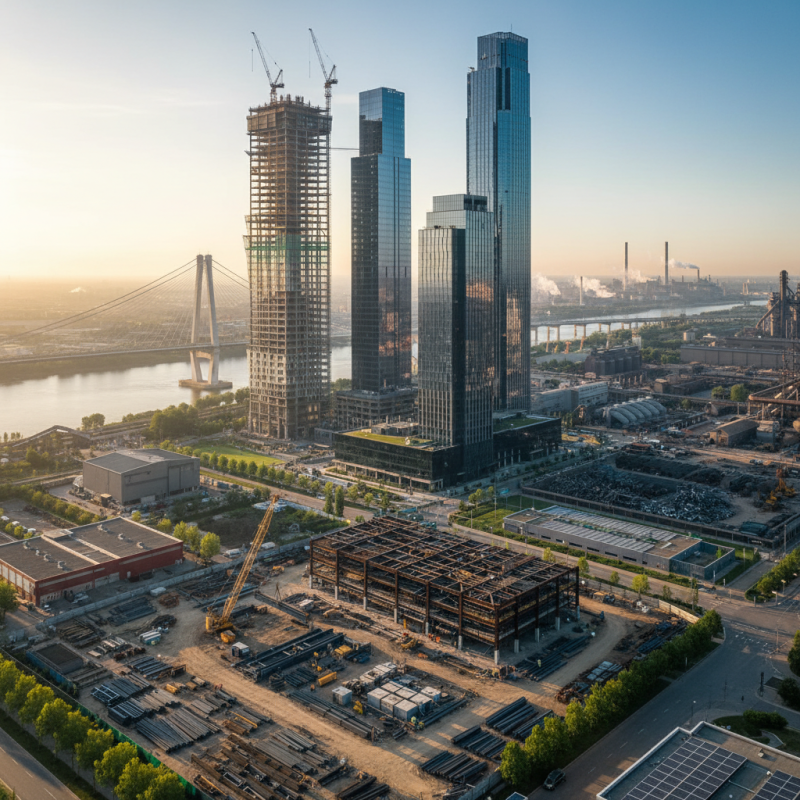
Steel material plays a crucial role in modern construction. It is the backbone of many structures. From skyscrapers to bridges, steel defines our city skylines.
The strength of steel material allows for the creation of durable and safe buildings. It can withstand harsh weather conditions and support heavy loads. This is essential for any urban infrastructure. However, the environmental impact of steel production raises concerns. The process is energy-intensive and contributes to carbon emissions.
Innovations aim to reduce these impacts. Recycled steel and new production methods show promise. Yet, the dependence on steel material remains a challenge. Balancing strength and sustainability is key as we move forward in construction.
The Role of Steel in Structural Integrity and Durability
Steel is a fundamental material in modern construction. Its role in structural integrity is unmatched. Structures made of steel can withstand heavy loads and extreme conditions. This is crucial for buildings in earthquake-prone areas or locations with severe weather. Steel offers flexibility, making it ideal for various designs.
The durability of steel is also noteworthy. Unlike wood, steel does not warp or decay. This longevity means that structures require less maintenance over time. Buildings can last for decades, which is a significant advantage for investors. Moreover, steel is recyclable. This property allows for sustainable construction practices. However, it’s essential to consider the initial carbon footprint of steel production.
Tips: Always consult a professional when designing with steel. They can provide insights into weight distribution and safety. Also, consider using corrosion-resistant coatings for added durability. Keep in mind that while steel is strong, it can be susceptible to rust if not properly maintained. Regular inspections are vital to ensure the structural integrity of steel components.
Why is Steel Material Essential in Modern Construction? - The Role of Steel in Structural Integrity and Durability
| Dimension |
Value |
Significance |
| Tensile Strength |
400-2500 MPa |
Ensures structural resilience under load. |
| Durability |
50+ years |
Long lifespan reduces need for repairs. |
| Cost Efficiency |
$$$ |
Lower material and lifecycle costs compared to other materials. |
| Recyclability |
100% |
Sustainable choice for environmentally conscious projects. |
| Versatility |
High |
Suitable for various types of construction from residential to industrial. |
Advantages of Steel Over Traditional Building Materials
Steel is a crucial material in modern construction. Its strength and durability make it a preferred choice over traditional materials like wood and brick. Steel structures can withstand severe weather conditions, reducing maintenance costs in the long run. For example, buildings made from steel can remain intact during high winds or earthquakes, providing safety for occupants.
Another advantage of steel is its flexibility. Architects can create innovative designs that would be difficult with traditional materials. Steel can be molded into various shapes, allowing for unique structures. However, it’s important to consider the thermal conductivity of steel. Poor insulation can lead to energy inefficiency. This is an area worth examining more closely.
Sustainability is another aspect of steel. It is recyclable, which reduces waste. Many projects now aim to use recycled steel, making construction more eco-friendly. Yet, the energy consumption during steel production still raises concerns. Finding a balance between using steel and its environmental impact is an ongoing challenge. This is something the industry continues to address.
Sustainability and Recycling of Steel in Construction
Steel plays a vital role in modern construction. Its strength and versatility are unmatched. Yet, the environmental impact of steel production raises concerns. Addressing sustainability in this industry is crucial.
Recycling steel is one effective solution. Approximately 75% of steel is recyclable. This means that old structures can provide raw materials for new ones. The process reduces waste and energy consumption. However, not all steel is currently recycled. Efforts must increase to improve these rates. Innovative recycling methods can help. They can turn scrap metal into new products efficiently.
Another aspect is the carbon footprint. Producing steel generates significant emissions. Transitioning to green technologies is essential. Renewable energy sources must be integrated into steel manufacturing. It's a complex challenge. Collaboration between industries can foster effective change. The journey to a greener steel sector requires persistent effort and reflection on current practices.
Innovative Steel Construction Techniques and Applications
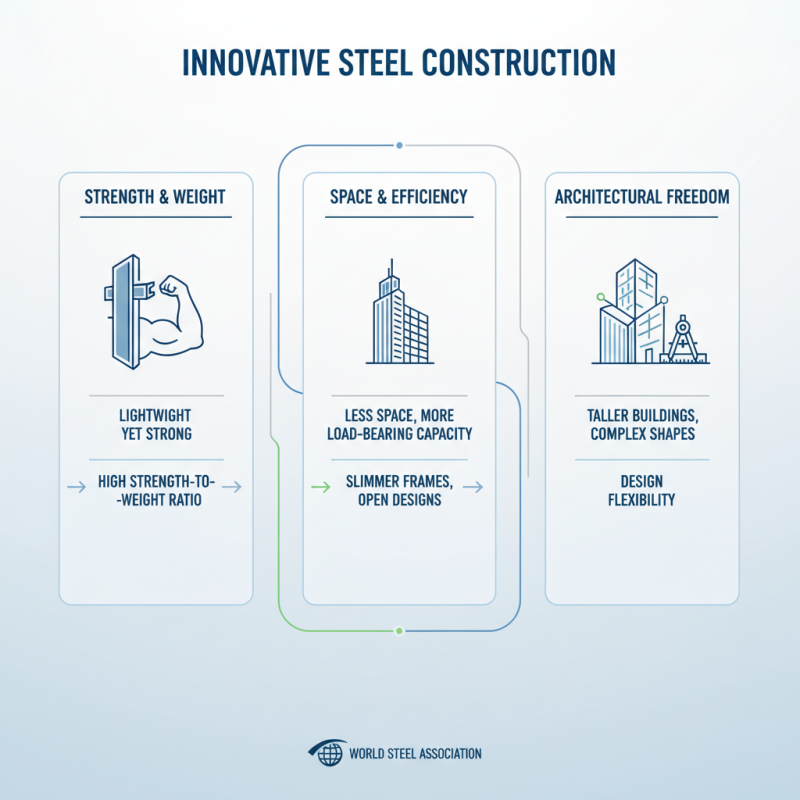
Innovative steel construction techniques are reshaping the industry. Steel is lightweight yet strong, making it ideal for modern structures. According to a report by the World Steel Association, steel frames are strong enough to support heavy loads while occupying less space. This efficiency enables architects to design taller buildings with intricate shapes.
Prefabricated steel components have gained popularity. They reduce construction time significantly. A study shows that off-site fabrication can cut project timelines by up to 30%. This method minimizes waste and enhances quality control. The high recyclability of steel further contributes to sustainable practices. Yet, the industry faces challenges, such as the environmental impact of steel production and energy consumption.
Steel construction methods also promote safety and resilience. New connections and joint designs improve structural performance in adverse conditions. Nevertheless, some builders still underestimate the importance of proper training. Mismanagement of steel components can lead to costly errors. Attention to detail is crucial in these advanced applications.
Future Trends in Steel Use for Modern Architectural Designs
Steel is a cornerstone of modern architectural design. Its strength and versatility allow for innovative structures that redefine skylines. Architects are increasingly exploring unique forms, lifting the limits of traditional designs. The malleability of steel makes it ideal for creating complex shapes, enhancing both aesthetics and function.
Future trends in steel use focus on sustainability. Recyclability is a key advantage. Many architects are considering recycled steel for their projects. This approach reduces waste and supports a circular economy. It’s a win-win for the environment and building costs. Still, the challenge remains in sourcing quality, recycled materials.
Tips: Always evaluate the cost of sustainability. Sometimes, recycled steel may have a higher upfront cost. Yet, long-term benefits are significant. Also, keep an eye on innovations in steel production. New methods may change how steel can be used in design. Experimentation is essential. Not every design will succeed, but learning from failures leads to better solutions.