What is Steel Bar and How is it Used in Construction?
Steel Bar plays a crucial role in construction. It provides essential strength and durability to various structures. According to the World Steel Association, the global demand for steel products, including steel bars, is expected to grow by 2.3% per year. This growth is driven by urbanization and infrastructure developments worldwide.
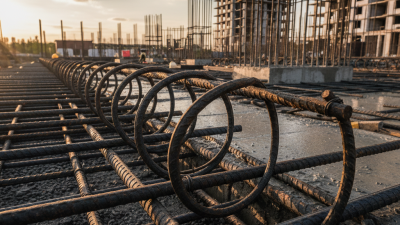
In construction, steel bars are primarily used as reinforcement. They enhance the tensile strength of concrete, which is inherently weak in tension. Projects like skyscrapers, bridges, and highways heavily rely on steel bars. Recent studies indicate that using high-quality steel bars can improve structural safety. However, there are instances of subpar materials affecting integrity. Quality control remains a concern for many in the industry.
The use of steel bars in construction goes beyond strength. It involves economic considerations. The cost of steel fluctuates widely, impacting project budgets. Construction firms must navigate these challenges. Understanding the dynamics of steel bar usage is vital. It requires balancing safety, cost, and performance. The industry still faces an ongoing need to address these complexities.
What is Steel Bar?
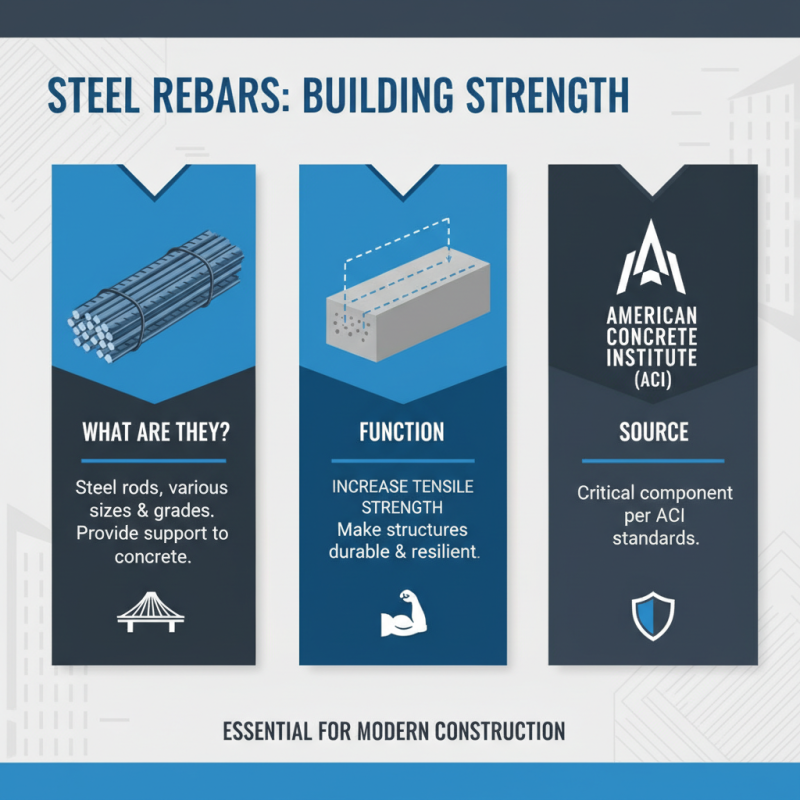
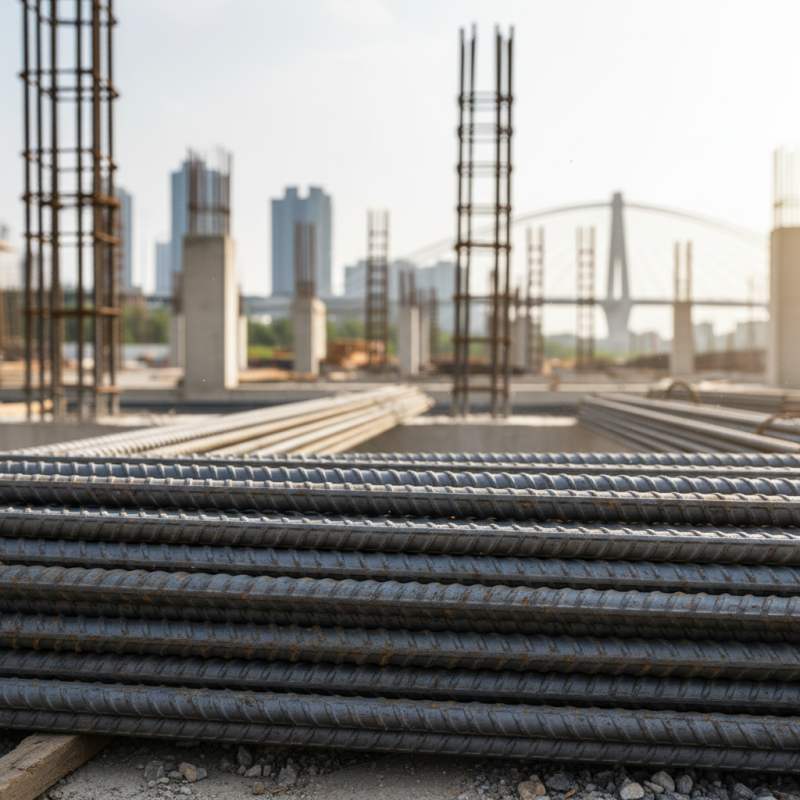
Steel bars, also known as reinforcing bars or rebar, are critical components in construction projects. These bars are made from steel and come in various sizes and grades. They provide strength and support to concrete structures. According to the American Concrete Institute, rebar increases concrete’s tensile strength, making buildings more durable and resilient.
In practical terms, steel bars are embedded in concrete to withstand stress and load. Without them, concrete structures may crack or fail. Industry data indicates that over 90% of all reinforced concrete structures utilize steel bars. Their versatility allows for different applications, from sidewalks to skyscrapers. However, one issue worth noting is that not all steel bars are created equal. Variability in quality can impact structural integrity.
Environmental factors can also affect steel bars. Corrosion is a key concern in many projects. In urban areas, where moisture and pollution are prevalent, rebar can deteriorate more quickly. Ongoing inspections and maintenance are crucial. The construction industry must use high-quality steel bars and implement protective coatings to ensure longevity. Too often, cost-cutting measures lead to the use of subpar materials.
Types of Steel Bars Used in Construction
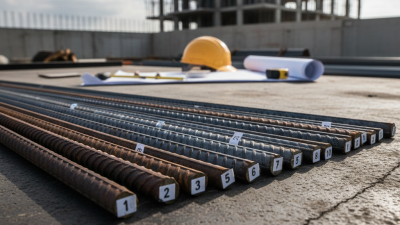
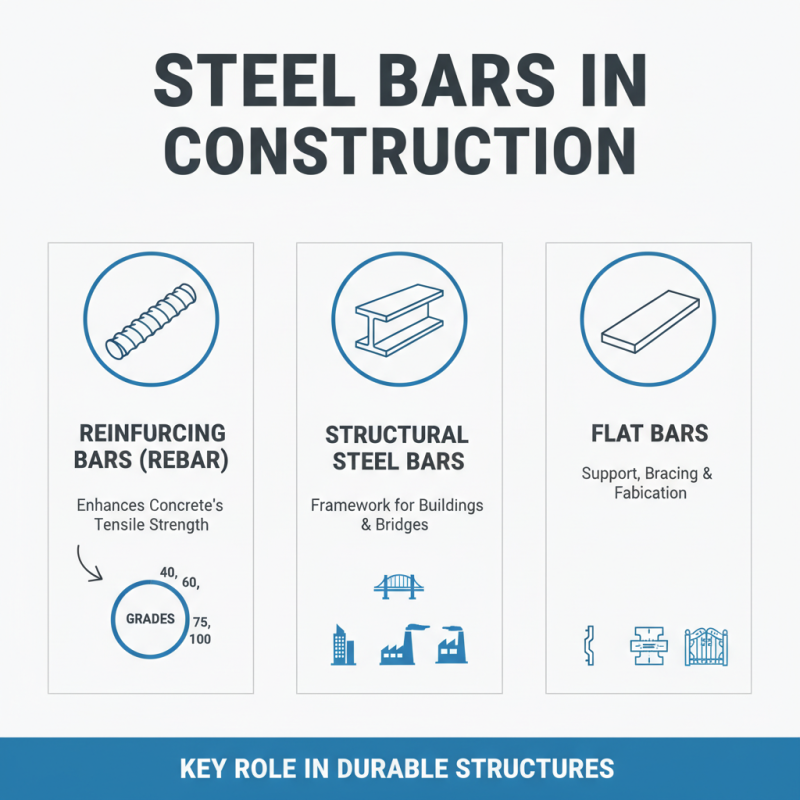
Steel bars play a crucial role in construction. Various types of steel bars are utilized, each serving its unique purpose. The most common types include reinforcing bars (rebar), structural steel bars, and flat bars. Reinforcing bars are used primarily to enhance the tensile strength of concrete. They come in different grades, typically marked by their yield strength.
Structural steel bars offer high strength and durability. They are vital for constructing beams and columns. Flat bars find use in a range of applications, including brackets and frames. Each type has its specifications. For instance, rebar's sizes range from #3 to #18, with diameter measurements of 10mm up to 57mm.
**Tips:** When selecting steel bars, consider the environmental conditions of the project site. Corrosive environments may require galvanized bars or stainless steel options. Always check the local building codes; they often specify required materials.
The quality of steel varies. Not all bars meet the expected standards. It's essential to verify certifications and conduct inspections. The construction industry still faces challenges with subpar materials, leading to increased repairs in the long run. Attention to material choice can mitigate these issues.
Properties and Benefits of Steel Bars
Steel bars are essential materials in construction, renowned for their unique properties. They boast high tensile strength, which means they can withstand significant stress. This quality makes them ideal for reinforcing concrete structures. Additionally, steel bars can bend without breaking, allowing for flexibility in design. Their resistance to corrosion also contributes to the durability of buildings. These characteristics enhance the longevity of structures, protecting investments for years.
Another remarkable benefit of steel bars is their recyclability. When buildings are demolished, steel can be reclaimed and repurposed. This sustainable aspect is becoming increasingly crucial as the world focuses on reducing waste. However, sourcing high-quality recycled steel can be challenging and variable. Sometimes, it may not meet new construction standards, which requires careful evaluation during projects.
Using steel bars can also present logistical complexities. Transporting heavy materials can lead to delays and increased costs. Construction teams often need to coordinate schedules meticulously. If mismanaged, it can lead to budget overruns or project setbacks. Despite these challenges, the advantages of steel bars often outweigh the downsides when used correctly.
Applications of Steel Bars in Construction Projects
Steel bars play a crucial role in construction projects. They are often used as reinforcement in concrete structures. These bars provide strength and stability, ensuring buildings can withstand various loads. Commonly seen in bridges and high-rise buildings, they enhance durability.
In residential projects, steel bars are utilized in foundations and beams. They help prevent cracks and structural failure over time. Steel bars can be customized to fit specific requirements, offering flexibility in design. However, improper installation can lead to future issues. This highlights the importance of skilled labor in construction.
Another area where steel bars are essential is in infrastructure. Roads and highways often incorporate them for enhanced load-bearing capacity. This helps improve safety and longevity. Despite their advantages, care must be taken during the selection and application. Decisions made here can affect the entire project.
What is Steel Bar and How is it Used in Construction? - Applications of Steel Bars in Construction Projects
| Application |
Description |
Type of Steel Bar |
Typical Size Range |
| Reinforced Concrete |
Steel bars are embedded in concrete to enhance tensile strength. |
Rebar (Reinforcing Bars) |
10mm to 32mm |
| Structural Framework |
Used as part of the skeletal structure of buildings and bridges. |
Steel Sections (Angles, Beams) |
25mm to 200mm |
| Construction of Roads |
Steel bars are used to reinforce pavements and road surfaces. |
Tensile Steel Bars |
12mm to 20mm |
| Precast Concrete Elements |
Reinforcement for beams, slabs, and walls that are cast off-site. |
Fiberglass Reinforced Bars |
10mm to 16mm |
Installation and Safety Considerations for Steel Bars
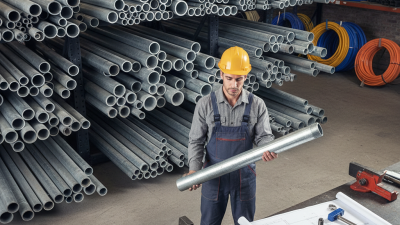
When installing steel bars, safety is paramount. Workers should wear appropriate personal protective equipment (PPE). This includes helmets, gloves, and steel-toed boots. These items protect against potential injuries during the handling process. Steel bars are heavy and can shift unexpectedly. Therefore, proper lifting techniques are essential.
A common oversight is the lack of adequate training for workers. Inexperienced personnel may mishandle steel bars, leading to accidents. Supervisors must ensure that everyone understands the risks. Regular safety meetings can help reinforce these principles. Ensuring that workers know how to use lifting equipment correctly is also crucial.
Additionally, the workspace should be organized. Clutter can create trip hazards. It is vital to keep the area around steel bars clear. Marking danger zones with caution tape may reduce the chances of accidents. Remember, attention to detail can save lives in construction settings. Safety is not just a guideline; it is a discipline that requires constant reflection and improvement.
Steel Bar Usage in Construction