What are the Main Uses of Steel Wire Rod in 2026?
In 2026, the uses of Steel Wire Rod are set to expand significantly. Steel Wire Rod is a versatile material widely used in construction and manufacturing. It serves various industries, reflecting global economic trends.
The construction sector relies heavily on Steel Wire Rod for reinforcing concrete. It is crucial in ensuring structural integrity. Additionally, automotive industries use it for producing wires and cables. These products are essential for vehicle safety and performance. The demand for high-quality Steel Wire Rod will likely increase, pushing manufacturers to innovate.
However, challenges persist. Quality control can be inconsistent across suppliers. This issue raises concerns for industries relying on Steel Wire Rod. Furthermore, the environmental impact of steel production must be addressed. Sustainable practices are gaining importance among consumers. Therefore, the future of Steel Wire Rod is not just about quantity but also quality and sustainability.

Main Applications of Steel Wire Rod in Construction Industry
Steel wire rod is a crucial material in the construction industry. In 2026, it will play a vital role in various applications, primarily in reinforcing concrete structures. Builders will use it to enhance strength while keeping costs manageable. The flexibility of steel wire makes it easy to shape according to project needs.
Moreover, steel wire rod is commonly utilized in the production of wire mesh. This mesh serves as a reliable framework in concrete, improving durability. Projects aiming for longevity will benefit from this method. However, some contractors may underestimate the importance of using high-quality rod. Cheap alternatives could compromise the entire structure, leading to safety concerns.
Additionally, wire rods are integral in producing pre-stressed concrete products. These products are essential for beams, slabs, and frameworks. The availability of advanced technology allows for precise manufacturing. Yet, some small contractors may struggle to adopt these innovations. Balancing cost and quality remains a challenge for many in the sector. It's critical for professionals to ensure they prioritize safety while making decisions.
Role of Steel Wire Rod in Automotive Manufacturing
Steel wire rod plays a crucial role in automotive manufacturing. In 2026, its importance will likely increase. This material forms the backbone of various automotive components. It is used to produce tires, springs, and even structural parts. The durability of steel wire rod enhances vehicle longevity.
Automakers rely on this versatile material for multiple applications. High-quality wire rods ensure strength and safety in vehicles. These rods can withstand significant stress and strain. This quality is essential for critical components like suspension systems. However, challenges arise from variations in quality. Inconsistent production standards can lead to performance issues.
The production process of steel wire rod also demands careful attention. The way steel is drawn into wire affects the final product. Imperfections in the rod may compromise its integrity. Manufacturers must continually refine their processes. This ongoing improvement is essential for meeting industry standards. Addressing these concerns is vital for future innovation.
Use of Steel Wire Rod in Electrical and Communication Industries
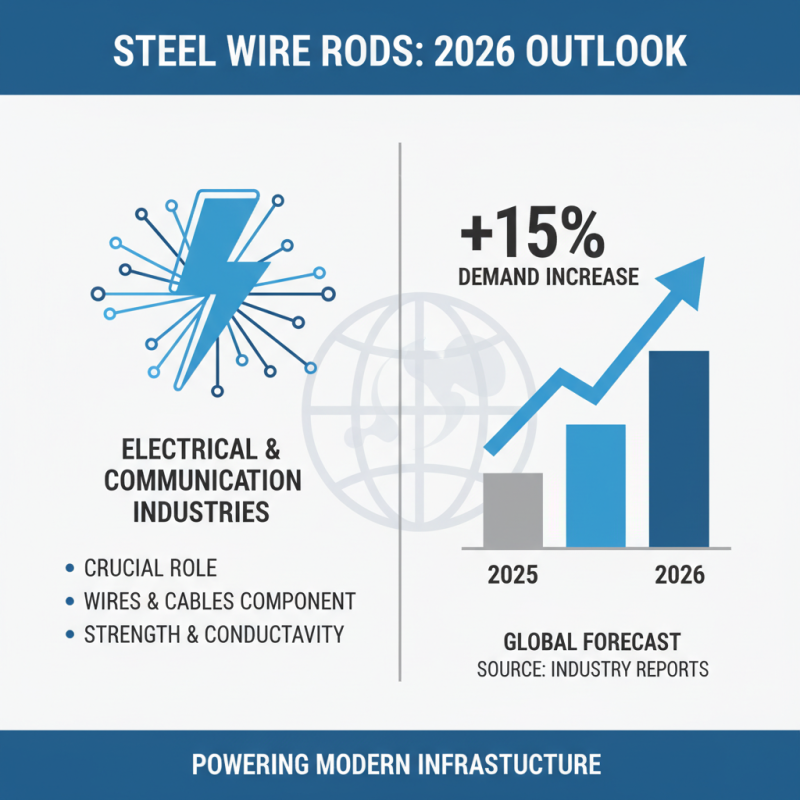
In 2026, steel wire rod will continue to play a crucial role in the electrical and communication industries. This material is a key component in manufacturing wires and cables. Steel wire rods provide essential strength and conductivity, essential for modern communication infrastructure. According to industry reports, the demand for steel wire rod in these sectors is expected to increase by 15% between 2025 and 2026.
One advantage of steel wire rod is its ability to withstand high temperatures. This feature makes it suitable for high-voltage applications. Many companies are exploring ways to enhance its properties. Innovations in coatings can improve corrosion resistance and longevity.
Tips: When selecting wire rods, consider the type of environment they will be used in. Conductive materials are often key in specialized applications. Review specifications carefully to ensure the wire meets industry standards.
While the outlook is promising, challenges remain. Supply chain issues can affect production timelines. Companies must adapt to fluctuating raw material costs, which can impact pricing. Sustainable practices are gaining traction, pushing for greener alternatives in manufacturing.
Advancements in Steel Wire Rod for Industrial Machinery and Equipment
Steel wire rod is integral to modern industrial machinery. By 2026, its advanced applications will be evident. A report from the Global Steel Association predicts a 5% annual growth in demand. This growth represents new opportunities for innovation in machinery and equipment.
Manufacturers will focus on high-performance materials. Steel wire rods with enhanced tensile strength will support heavy machinery. These advancements contribute to better equipment durability. For example, wire rods made from alloyed steel can resist wear and deformation. This reduces maintenance and downtime.
Tips: Look for suppliers committed to sustainability. Sustainable production methods can influence your supply chain positively. Enhance your knowledge about wire rod specifications. Understanding these details can help optimize your industrial applications. Consider the impact of using advanced materials on efficiency. Upgrading materials can lead to significant cost savings in the long run. Remember, adopting new technologies is crucial but may also require a cultural shift in your operations.
What are the Main Uses of Steel Wire Rod in 2026?
| Application Area |
Type of Steel Wire Rod |
Key Characteristics |
Projected Growth (%) |
| Automotive Industry |
High Carbon Wire Rod |
High tensile strength, ductility |
5% |
| Construction |
Reinforcing Steel Wire |
Corrosion resistant, high fatigue life |
8% |
| Energy Sector |
Low Alloy Steel Wire |
Heat resistant, high impact strength |
10% |
| Telecommunications |
Galvanized Steel Wire |
Weather resistant, high conductivity |
7% |
| Manufacturing |
Stainless Steel Wire |
Corrosion resistant, durability |
6% |
Innovative Uses of Steel Wire Rod in Consumer Products and Packaging
In 2026, the innovative uses of steel wire rod will become increasingly evident in consumer products and packaging. This material, known for its strength and flexibility, lends itself well to various applications. It can be found in the frames of high-performance bicycles. This not only enhances the durability but also reduces weight, improving overall efficiency for users.
Moreover, steel wire rods are making strides in packaging design. Companies are exploring how to use this material in sustainable packaging solutions. For example, they can create wires for securing product bundles. These wires can replace plastic ties, contributing to a more eco-friendly approach. However, challenges remain. The balance between cost and sustainability can create tension in production processes.
Additionally, art and design sectors are tapping into steel wire rod for unique applications. Artists are experimenting with the material to create striking sculptures and installations. This pursuit of creativity raises questions about the recyclability and environmental impact of such projects. As we embrace these innovative uses, ongoing discussions about sustainability and functionality will be essential.