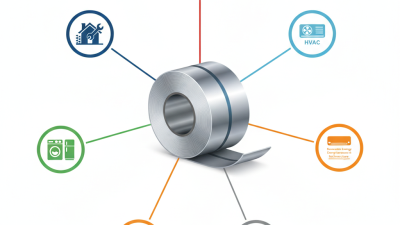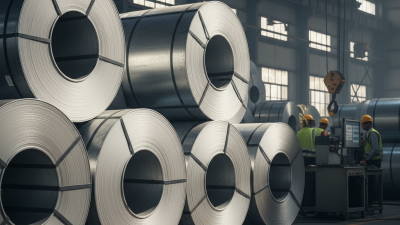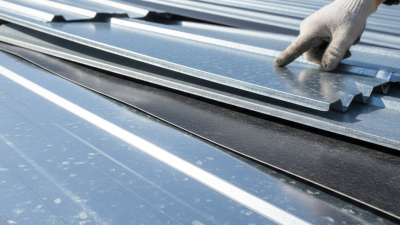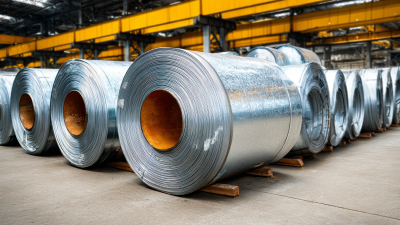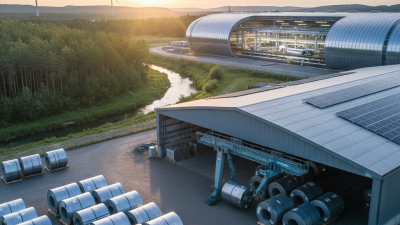
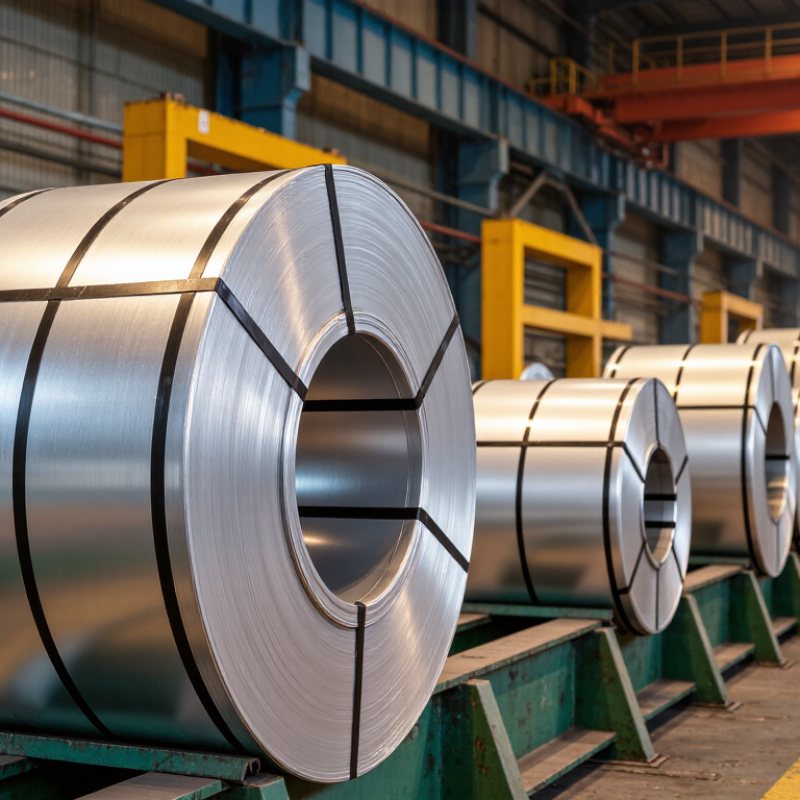
Galvanized coils are steel sheets coated with zinc to resist rust and extend service life. They are commonly slit, roll-formed, stamped, or cut into roofing panels, ducts, automotive parts, and building frames. The right coil, however, depends on more than its bright surface.
Start with the intended environment. Outdoor structures near saltwater need a heavier zinc coating than indoor partitions. Coating weight, often listed in grams per square meter, strongly affects corrosion protection. Steel thickness and yield strength also matter. Thin material may reduce weight, but it can buckle during forming. Higher-strength steel may perform better, yet it can require greater forming force. Test the bend radius before placing a large order.
Surface finish deserves close attention. A uniform coating supports painting and improves appearance, while rough areas may cause problems in exposed panels. Check coil width, edge condition, flatness, and dimensional tolerance against the production line. Moisture trapped between tightly wound coils can create storage stains, especially in humid warehouses. Keep coils dry and allow air circulation. Do not rely on appearance alone.
Ask for inspection records covering coating weight, steel grade, thickness, and mechanical properties. Traceable certificates make quality decisions more reliable. In practical work, delivery consistency can matter as much as laboratory results. A coil that meets the specification but arrives with damaged edges may still create costly waste. I have also seen teams choose the thickest coating automatically, then discover unnecessary forming difficulty. More protection is not always better. Evaluate performance, processing needs, budget, and the manufacturer’s technical evidence together.