What Are the Different Types of Steel Materials Used Today?
The world of steel materials is vast and intricate. Experts emphasize the crucial role of these materials in modern construction and manufacturing. John Smith, a renowned metallurgist, once stated, "Understanding the types of steel materials is essential for innovation in engineering."
Steel materials come in many forms, each designed for specific applications. For example, structural steel is fundamental for skyscrapers, while stainless steel resists corrosion in kitchen appliances. However, the rise in demand brings challenges. Variability in quality can be an issue. Sometimes, manufacturers overlook these details, which can lead to serious consequences.
The exploration of different steel types leads us to unexpected discoveries. There’s a growing trend towards high-strength steels. These materials offer advantages but may complicate production processes. It's essential to balance innovation with practicality. In this dynamic field, constant learning and adaptation are key. Understanding the nuances of steel materials can pave the way for advancements in multiple industries.

Types of Steel Materials Based on Composition and Properties
Steel materials are classified mainly based on their composition and properties. This classification determines their usage in various industries. Carbon steel is one of the most common types. It includes different grades, which indicate the carbon content.
Low carbon steel is malleable. High carbon steel is harder and stronger. However, it can be brittle.
Tip: When selecting steel for a project, consider its properties carefully. Think about strength, ductility, and corrosion resistance. It’s beneficial to analyze how the material will be used.
Alloy steel is another important category. It contains additional elements like chromium, nickel, or molybdenum. These elements enhance specific features. For example, chromium increases corrosion resistance. This makes alloy steel suitable for automotive and aerospace applications.
Stainless steel is popular for its resistance to rust and staining. It's used in kitchen appliances and medical instruments. However, not all stainless steels are equal. The alloy's composition affects its performance.
Tip: Always check the grade of stainless steel. Small differences can lead to significant issues. Choosing the right type is crucial for safety and durability.
Carbon Steel: Characteristics and Applications
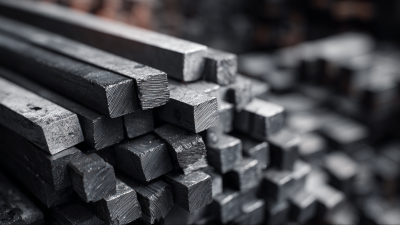
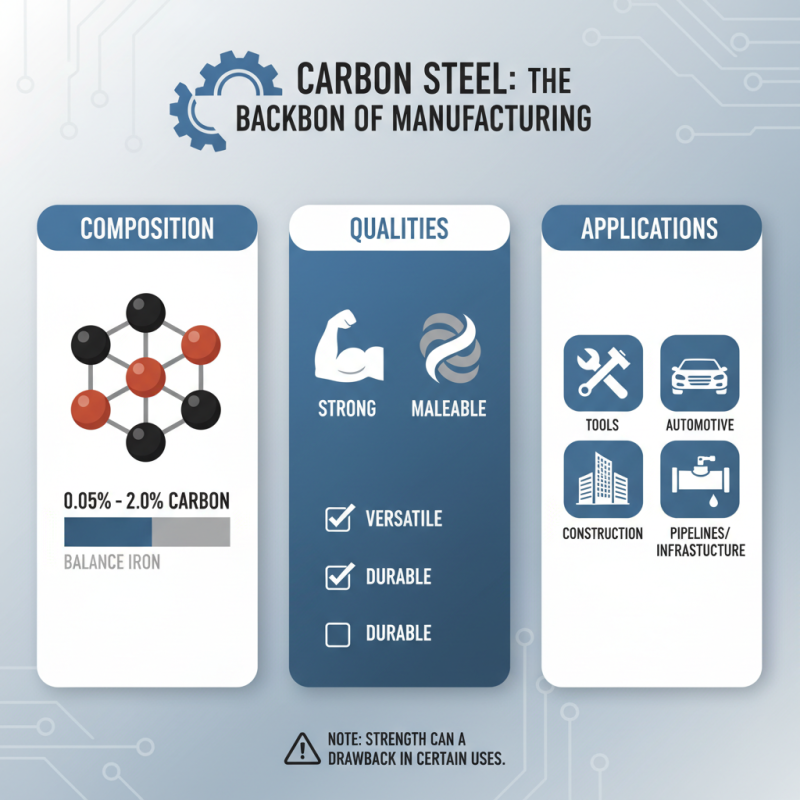
Carbon steel is one of the most common materials in today’s manufacturing. It contains a mixture of carbon and iron. The carbon content usually ranges from 0.05% to 2.0%. This unique composition gives carbon steel a variety of qualities. It is strong yet malleable, making it suitable for many applications. However, this strength can also be a drawback in some instances.
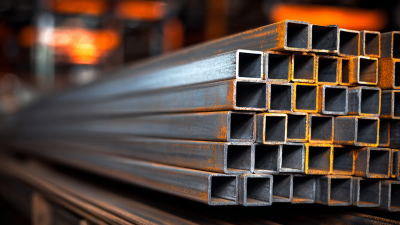
In construction, carbon steel is frequently used for beams and reinforcements. These structures benefit from its high tensile strength. On the downside, carbon steel is prone to rust if not properly coated or maintained. It requires attention to prevent corrosion. In tools, carbon steel offers excellent edge retention. Nevertheless, this type of steel can be fragile under extreme conditions, leading to breaks or chips.
Another aspect is its affordability. Carbon steel is often cheaper than other types. But price shouldn’t overshadow quality. With different grades available, selecting the right one is crucial. The application often dictates the grade needed. One must always reflect on the balance between cost and performance. This can lead to better decision-making in manufacturing processes.
Alloy Steel: Enhancing Strength and Durability
Alloy steel is a blend of carbon steel and other elements like chromium, nickel, and manganese. This mix enhances the material's strength, making it suitable for various applications. For example, it is often used in construction, automotive, and heavy machinery. The unique properties of alloy steel include improved wear resistance and toughness. These qualities make it a preferred choice in demanding environments.
When selecting alloy steel, consider the specific requirements of your project. Not all alloy steels are created equal. Some are better for high-stress situations, while others excel in corrosion resistance. Be sure to match the alloy's properties to your needs.
Tip: Always check the mechanical properties of the alloy before making a decision. Sometimes, you might overlook a crucial detail that could affect performance. Remember, the right choice can make or break your project.
Another aspect to ponder is the cost. Alloy steels can be more expensive than standard carbon steels. However, the durability often outweighs the initial cost. Evaluate your budget alongside your project's longevity needs.
Tip: Consider working with a specialist. They can provide insights into the best alloy for your application. Don’t hesitate to ask questions; it can lead to valuable discoveries.
Stainless Steel: Corrosion Resistance and Versatility
Stainless steel is renowned for its corrosion resistance and versatility. In fact, it is used in various industries, including construction, food processing, and healthcare. According to a recent market report, the global stainless steel market is projected to reach 63 million tons by 2025. This growth reflects increasing demand for durable and resistant materials.
The unique composition of stainless steel, which typically includes chromium, nickel, and molybdenum, enhances its resistance to rust and stains. However, it is important to note that not all stainless steel is created equal. Different grades offer varying levels of corrosion resistance, strength, and aesthetic appeal. For example, 304 stainless steel is popular for kitchen appliances but can be susceptible to corrosion in harsh environments.
Manufacturers face challenges in balancing cost and quality. While higher grades may offer better performance, they come at a premium price. This raises questions about long-term sustainability and material choices. As industries evolve, the need for innovation in stainless steel production remains critical. Improved recycling methods and sustainable practices are necessary to meet growing global standards.
Specialty Steels: Tool, High-Speed, and Other Innovations
Specialty steels are vital in modern manufacturing and engineering. Tool steels are engineered for high hardness. They excel in cutting and drilling applications. These steels often contain high carbon content, ensuring durability under extreme conditions.
High-speed steels (HSS) are another innovation in specialty steels. HSS can withstand high temperatures, enabling faster machining speeds. They often feature a unique alloy composition that enhances wear resistance. Some may struggle with brittleness and require proper heat treatment for effectiveness.
In recent years, new specialty steels have emerged. These include advanced high-strength steels and low-alloy variations. They provide increased strength while maintaining low weight. However, such innovations may lead to challenges in weldability and fabrication. Understanding their properties is crucial for optimal use in various applications.
What Are the Different Types of Steel Materials Used Today?
| Type of Steel |
Composition |
Common Uses |
Properties |
| Carbon Steel |
Iron, Carbon (0.05% - 2.0% Carbon) |
Construction, Automotive |
High strength, Versatile |
| Alloy Steel |
Iron, Carbon, Manganese, Nickel |
Tools, Machinery, Automotive |
Enhanced properties, Toughness |
| Stainless Steel |
Iron, Carbon, Chromium (min 10.5% Chromium) |
Kitchenware, Medical instruments, Architecture |
Corrosion-resistant, Durable |
| Tool Steel |
High carbon, Molybdenum, Tungsten |
Manufacturing tools, Dies, Molds |
Hardness, Wear resistance |
| High-Speed Steel |
Iron, Carbon, Tungsten, Chromium |
Cutting tools, Drill bits |
Strength at high temperatures, Toughness |
| Mild Steel |
Iron, Low Carbon (0.05% - 0.25% Carbon) |
Construction, Metalworks |
Ductile, Easy to weld |