What is a Deformed Bar? Understanding its Uses and Benefits in Construction
Deformed bars, often referred to as "deformed steel bars" or "rebars," play a critical role in modern construction practices. According to the International Statistical Institute, the global demand for deformed bars is expected to reach over 200 million tons by 2025, driven by infrastructure development and urbanization. This type of reinforcement bar is distinguished by its unique surface profile, which improves bonding with concrete, ultimately enhancing the structural integrity of buildings, bridges, and other constructions.
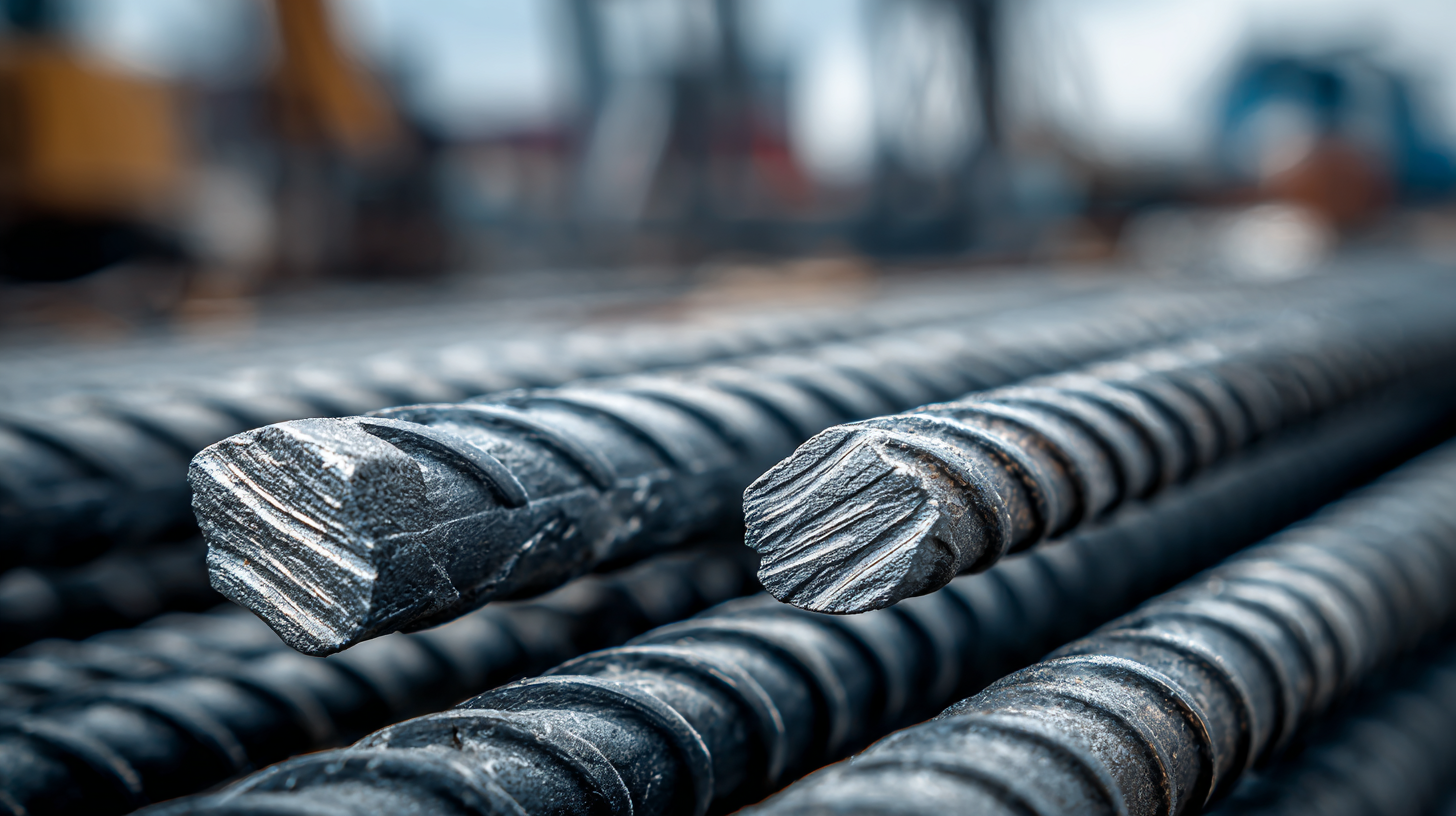
Industry experts, such as Dr. Mark Reynolds, a notable figure in structural engineering, emphasize the importance of deformed bars in ensuring safety and durability in construction. He stated, "Utilizing deformed bars not only improves the load-bearing capacity but also significantly reduces the likelihood of cracks and failures in reinforced concrete structures." This insight underlines the necessity of incorporating deformed bars in construction project designs, aiming for longevity and stability.
In this article, we will delve deeper into what constitutes a deformed bar, explore its various uses in construction, and highlight the numerous benefits it brings to the industry. The understanding of deformed bars extends beyond mere definitions—it's about recognizing their vital contribution to the safety and efficacy of modern engineering solutions.
Understanding the Definition and Characteristics of Deformed Bars
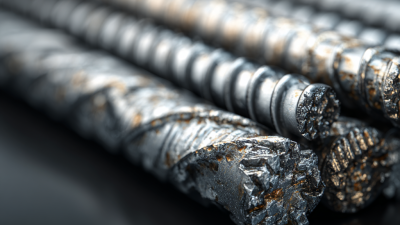
Deformed bars, also known as rebar, are essential components in the construction industry, specifically designed to enhance the tensile strength of concrete structures. Unlike plain bars, deformed bars have surface irregularities or ridges that create better mechanical interlocking with concrete. According to the American Concrete Institute, this characteristic significantly improves bond strength, allowing for safer and more durable constructions.
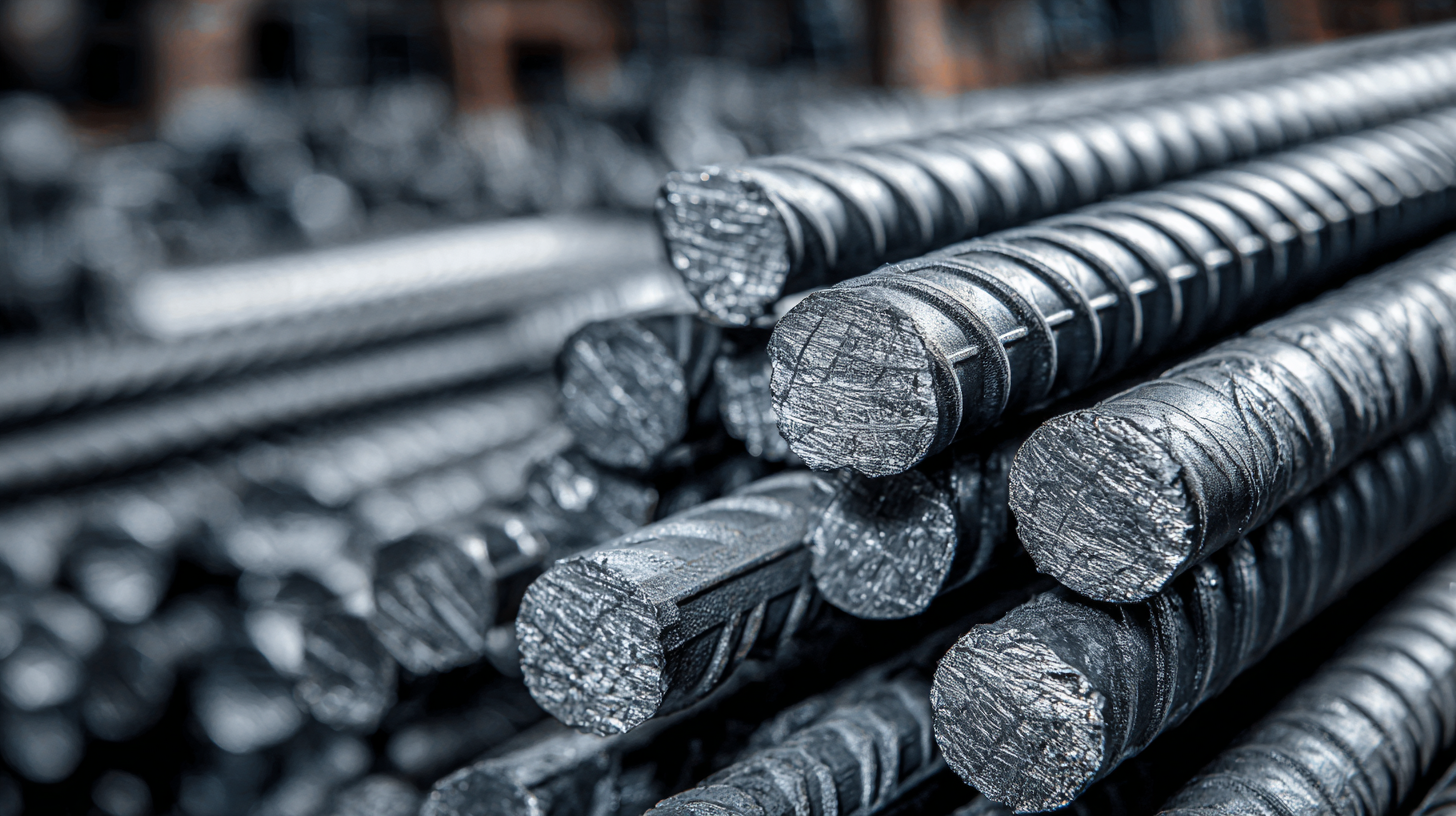
The specifications for deformed bars vary based on their intended use. Typically, they come in various grades, with Grade 60 being one of the most commonly used, offering a yield strength of 60,000 psi. The global steel rebar market is projected to reach USD 182 billion by 2027, emphasizing the vital role of deformed bars in large-scale infrastructure projects. Their durability and resistance to corrosion also make them ideal for use in severe environmental conditions, making them a preferred choice for bridge construction, high-rise buildings, and other critical structures where longevity and resilience are paramount.
The Role of Deformed Bars in Reinforcing Concrete Structures
Deformed bars, often referred to as rebar, play a critical role in reinforcing concrete structures. Their distinct design features, including ridges and grooves, enhance the bond between the concrete and the steel, ensuring a more unified and effective load-bearing capability. This synergy is essential as concrete, while strong in compression, can be weak in tension. By integrating deformed bars into concrete, engineers can significantly improve the structural integrity and longevity of buildings, bridges, and other infrastructures.
One of the primary benefits of using deformed bars is their ability to withstand various stresses and strains that occur during construction and throughout a structure’s lifespan. These bars provide enhanced ductility and strength, allowing concrete to perform effectively under tension and bending forces. Additionally, deformed bars come in various grades and sizes, offering versatility in design and application. This adaptability makes them suitable for a wide array of construction projects, from residential buildings to large-scale commercial developments, ultimately leading to safer and more durable structures.
Benefits of Using Deformed Bars in Modern Construction Practices
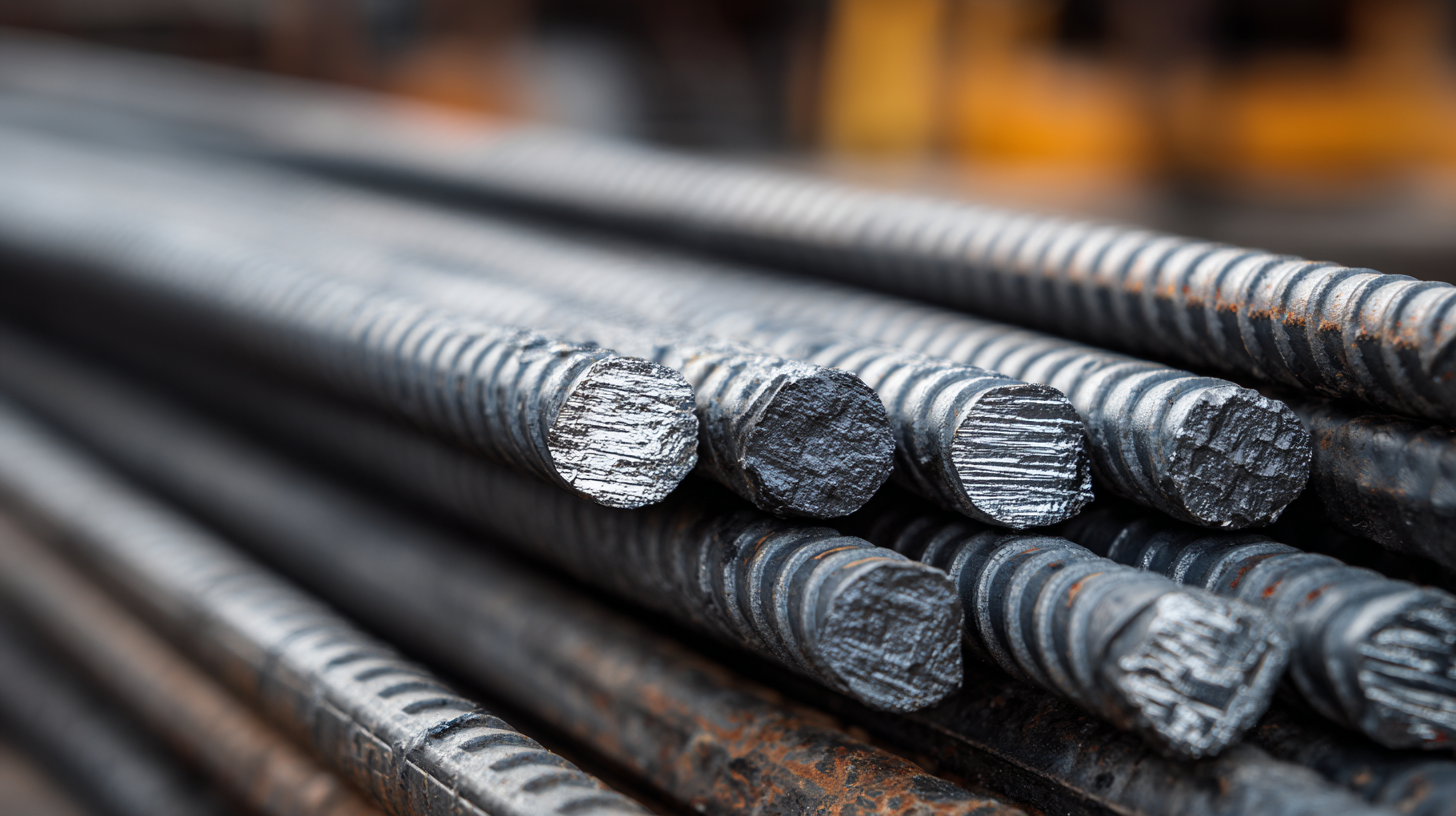
Deformed bars, commonly known as reinforcing bars or rebar, are essential components in modern construction practices. They are designed with ridges and grooves that greatly enhance their bonding with concrete, providing superior structural integrity. One of the primary benefits of using deformed bars is their ability to effectively resist tensile forces, which helps prevent concrete from cracking and failing under load. As a result, structures that utilize deformed bars are generally more durable and long-lasting.
In addition to their strength, deformed bars also contribute to the efficiency of construction projects. Their standardized sizes and shapes simplify the installation process, allowing for faster construction times and reduced labor costs. Furthermore, using deformed bars can improve the overall safety of construction sites, as their enhanced properties help mitigate the risks of structural failures.
Tips: When selecting deformed bars for your project, ensure they meet the appropriate specifications and standards relevant to your location. Properly calculating the required amount of reinforcing for your concrete can lead to significant savings and a safer final product. Additionally, always consider using high-quality materials to maximize the durability and performance of your construction.
Comparative Analysis: Deformed Bars vs. Plain Bars in Structural Integrity
Deformed bars, often referred to as rebar, play a critical role in enhancing the structural integrity of construction projects. Unlike plain bars, deformed bars feature ridges and indents that improve their mechanical bond with concrete. This unique design allows deformed bars to withstand tensile forces more effectively, making them essential in environments subject to heavy loads and dynamic forces, such as bridges, high-rise buildings, and infrastructure projects. The increased grip provided by their surface geometry significantly reduces the risk of slippage within the concrete, promoting durability and safety.
When comparing deformed bars to plain bars, it is evident that the former offers superior performance in terms of strength and stability. While plain bars may be easier to work with and cost-effective for non-structural elements, they lack the critical bonding ability that deformed bars provide. This makes deformed bars a preferred choice in reinforced concrete structures, where they contribute to overall stability and longevity. The demand for steel rebar, particularly deformed bars, is expected to soar, with the market projected to reach USD 268.4 billion by 2030, highlighting their indispensable role in modern construction practices.
What is a Deformed Bar? Understanding its Uses and Benefits in Construction
| Characteristic |
Deformed Bars |
Plain Bars |
| Surface Texture |
Ribbed for improved bonding |
Smooth surface |
| Bonding Strength |
Higher bonding strength with concrete |
Lower bonding strength |
| Applications |
High-stress applications (e.g., beams, slabs) |
Low-stress applications (e.g., fences, railings) |
| Cost |
Generally higher |
Generally lower |
| Weight |
Heavier due to profile |
Lighter |
| Strength |
Higher tensile and yield strength |
Lower tensile strength |
Best Practices for Selecting and Installing Deformed Bars in Building Projects
When it comes to selecting and installing deformed bars in construction projects, understanding best practices is essential for ensuring structural integrity. Deformed bars, commonly known as rebar, are crucial for reinforcing concrete, and their surface patterns enhance bond strength between the bars and concrete. When choosing deformed bars, consider factors such as the appropriate grade, diameter, and coating depending on the project's specific requirements.
**Tip:** Always refer to local building codes and specifications when selecting deformed bars to guarantee compliance and safety. Moreover, inspect the bars for any visible defects before use, as this can prevent future structural issues.
Installation techniques also play a significant role in the performance of deformed bars. Ensure that the bars are properly spaced and positioned according to engineering plans to maximize their effectiveness. Using appropriate tying methods to secure the bars is vital; this keeps them in place during the pouring of concrete.
**Tip:** Consider using bar chairs or spacers to maintain consistent spacing and alignment, which helps achieve uniform coverage and bond with the concrete. Proper curing of the concrete is equally important, as it affects the overall strength and durability of the reinforced structure.
Deformed Bar Usage in Construction Projects