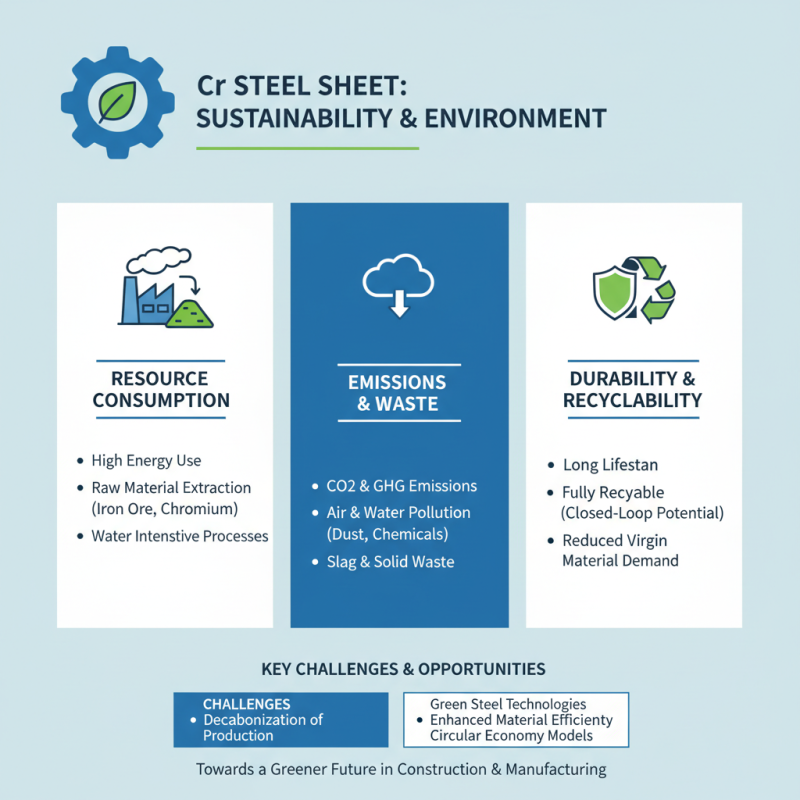
What is Cr Steel Sheet and Why is it Important?
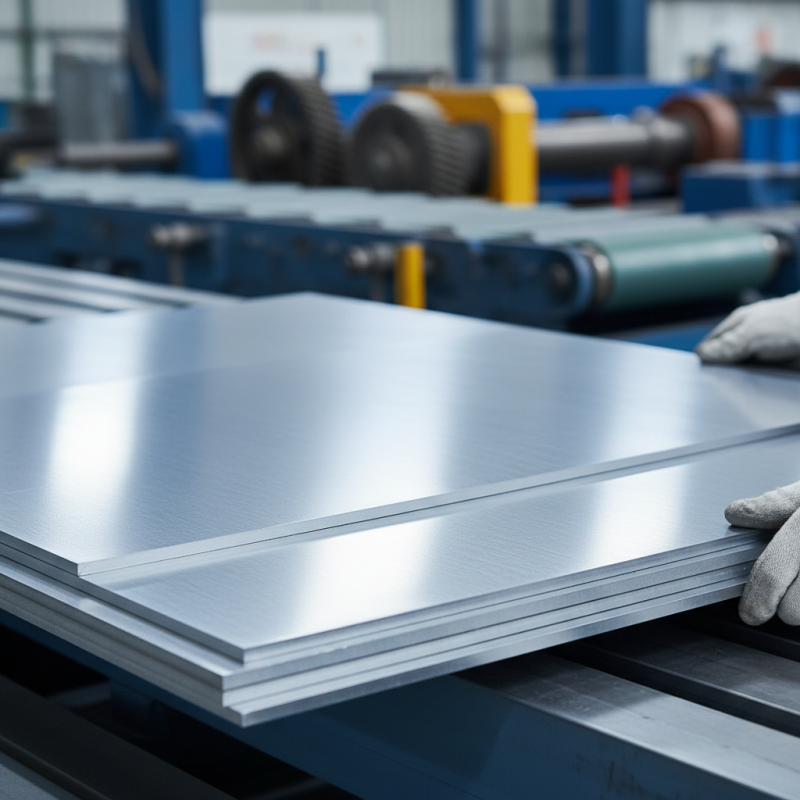
Cr Steel Sheet plays a crucial role in various industries. It is a type of steel that contains chromium, which enhances its properties. This material is essential for manufacturing strong and durable products.
The significance of Cr Steel Sheet lies in its corrosion resistance and strength. Many builders and manufacturers rely on it for their projects. Its unique properties help in producing long-lasting structures and components. For example, cars and appliances often use this sheet for added resilience.
However, not all applications deserve its use. Sometimes, cost-saving measures lead to compromises in quality. Using lower-grade materials can pose risks. Thus, assessing the need for Cr Steel Sheet is vital in decision-making. It is a blend of quality and cost-effectiveness, but the choice must be carefully considered.
What is Cr Steel Sheet?
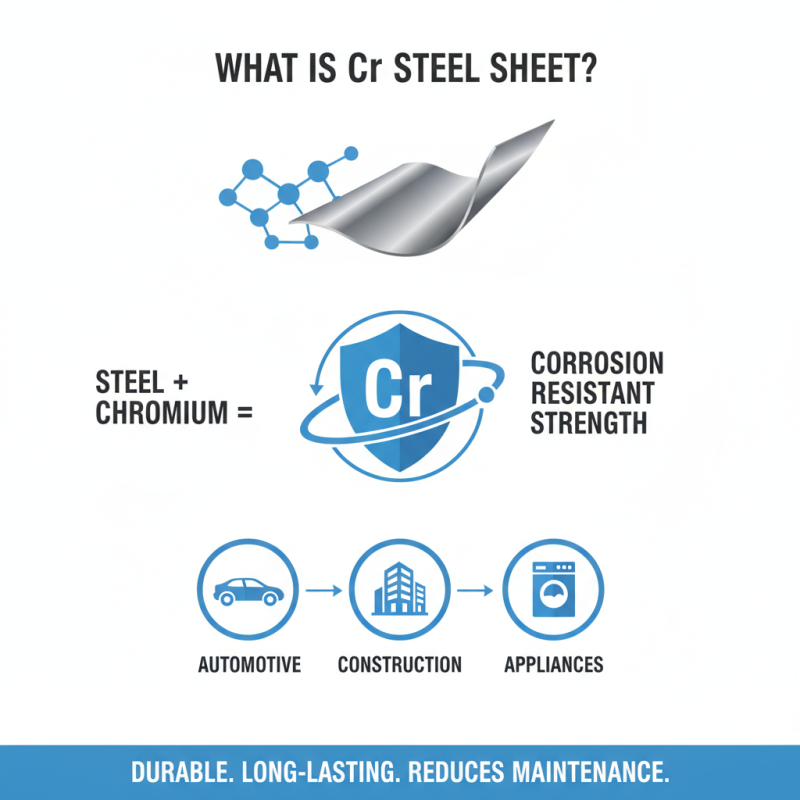
Cr steel sheet, or chromium steel sheet, is an essential material in various industries. It combines the strength of steel with the corrosion resistance provided by chromium. This combination makes it popular in applications like automotive parts, construction, and appliances. Its durability ensures that products last longer, reducing maintenance costs.
Tips: When choosing Cr steel sheet, consider the thickness. Thicker sheets offer greater strength but can be harder to work with. Balance your project's needs with available resources to make the best choice.
Cr steel sheet also has unique properties that can enhance design flexibility. It is easy to shape and form, allowing for complex designs without compromising strength. Some may find the manufacturing process challenging or costly. But innovation in production techniques is gradually addressing these issues.
Tips: Always ask suppliers about the sheet's specifications. Understanding the grades and types of Cr steel sheet can help avoid missteps. It’s vital to know the material's limits before starting a project.
Composition and Properties of Cr Steel Sheet
Cr steel sheet is an alloy of steel with chromium added. The chromium enhances its durability and resistance to corrosion. This makes Cr steel sheets vital in industries like automotive and construction. They are widely used for parts that experience high stress and exposure to moisture. The composition usually ranges from 0.5% to 2% chromium, which significantly improves hardness and tensile strength.
The properties of Cr steel sheets vary. They have excellent formability and can be easily welded, which adds to their versatility. In harsh environments, their corrosion resistance protects structures and vehicles over time. According to industry reports, the demand for Cr steel sheets is steadily increasing due to their essential roles in manufacturing processes.
Tips: When selecting Cr steel sheets, consider the intended use. Different chromium levels yield different characteristics. Testing is crucial to ensure suitability for applications. Regular maintenance can also prolong the life of products made from Cr steel sheets.
Composition and Properties of Cr Steel Sheet
Chromium steel sheet has a significant composition of various elements which contribute to its properties such as strength, corrosion resistance, and hardness. The above bar chart illustrates the typical composition of Chromium steel sheet, showcasing the important elements and their respective percentages by weight.
Applications of Cr Steel Sheet in Various Industries
Cr steel sheets, known for their corrosion resistance and high strength, play a vital role across various industries. The automotive sector heavily relies on these sheets. Reports by the International Organization of Motor Vehicle Manufacturers highlight that the use of advanced high-strength steel (AHSS), including Cr steel, can reduce vehicle weight by up to 25%. This reduction leads to better fuel efficiency and lower emissions, essential for modern environmental standards.
In construction, Cr steel sheets are increasingly popular due to their durability. According to the American Iron and Steel Institute, structures made from high-strength steel can withstand severe weather conditions. This durability is crucial in regions prone to natural disasters. However, the reliance on these materials can be problematic if manufacturers do not prioritize quality control. Variations in steel composition may lead to structural failures, emphasizing the importance of rigorous testing.
Food processing and chemical industries also utilize Cr steel sheets. They help maintain hygiene and safety standards. The use of stainless steel, a category that includes Cr sheets, has been linked to reduced contamination risks in food handling. However, sourcing responsible supply chains can be challenging for manufacturers. Ensuring that the materials meet health and safety guidelines is crucial but often overlooked.
Advantages of Using Cr Steel Sheet
Cr steel sheet is a type of steel that contains chromium. This alloy enhances durability and resistance to corrosion. Many industries prefer Cr steel sheets for their strength and longevity. They are often used in construction, automotive, and manufacturing sectors.
One main advantage of Cr steel sheets is their resistance to rust. This makes them suitable for outdoor applications where exposure to moisture is common. They can extend the lifespan of structures and vehicles. Another benefit is their ability to withstand extreme temperatures. This attribute is crucial in environments where heat and cold can vary drastically.
Tip: When using Cr steel sheets, consider the specific environment they'll face. The right thickness and treatment can improve performance. Some users may overlook this, leading to premature wear.
Moreover, Cr steel sheets are generally easy to work with. They can be cut, welded, and shaped as needed. However, this means there is often waste generated during these processes. Assessing cutting techniques can minimize material loss.
Tip: Always plan your cuts carefully to avoid excess scrap. This can enhance efficiency and reduce costs. Many forget this step, leading to regret later.