How to Choose the Right Steel Bar for Your Project?
Choosing the right steel bar for your project can significantly impact its success. Steel bars come in various types and grades, each serving specific purposes. Understanding these differences is essential for making an informed choice.
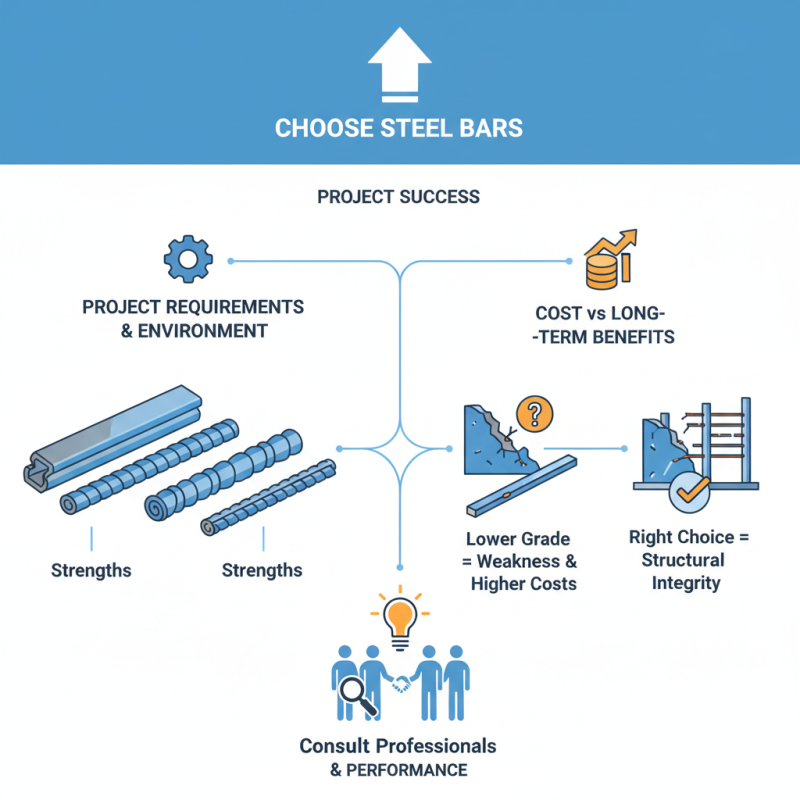
When selecting a steel bar, consider the project requirements and environmental factors. Different steel grades offer different strengths. The right choice can enhance structural integrity, while the wrong one may lead to weaknesses.
Moreover, weigh the costs against the long-term benefits. Substituting a lower-grade steel bar might seem economical initially, but it can result in higher costs down the line. Mistakes in selection can lead to failed projects and wasted resources. Always reflect on the performance needed for your specific application before deciding. Consider consulting professionals if you have doubts. They can provide insights based on experience and industry knowledge.
Types of Steel Bars and Their Applications
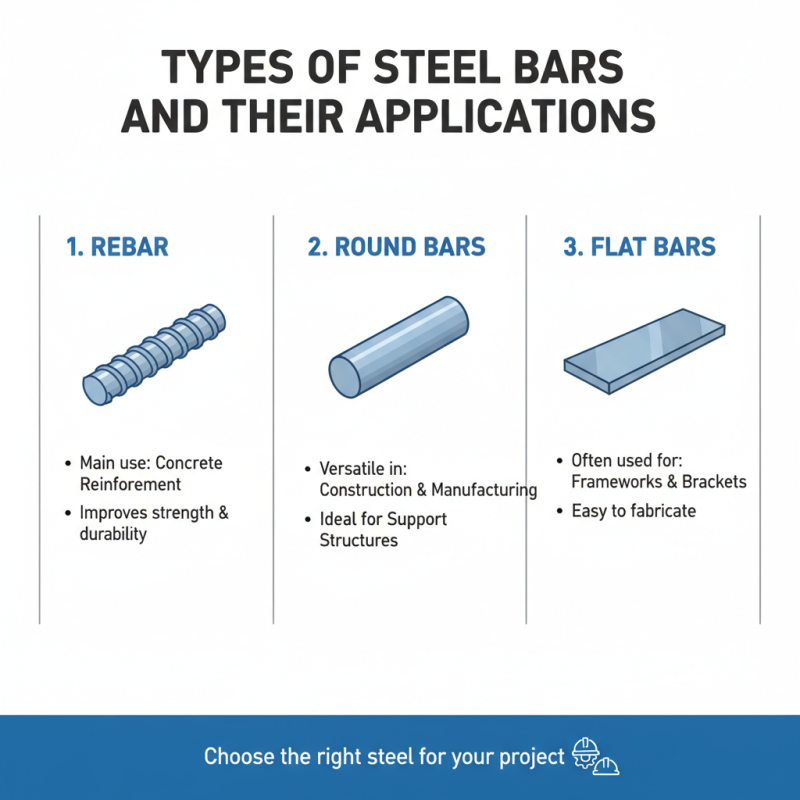
When choosing steel bars, understanding the types and their applications is crucial. Different projects require specific steel bars. Common types include rebar, round bars, and flat bars. Rebar is mainly used in concrete reinforcement. It improves strength and durability. Round bars are versatile, serving in construction and manufacturing. These bars excel in forming support structures.
Flat bars have their own niche. They're often used in fabrication and structural support. Their flat surface offers good grip for welding. Each type of bar has distinct properties, including tensile strength and malleability. Selecting the right bar ensures your project's success.
Yet, many overlook the importance of load capacity. An improper choice can lead to structural failures. It is worth spending time researching specifications. Consulting professionals with experience can provide better insights. Don’t rush the selection; it can save time and resources. Assess your project's specific needs carefully. This diligence can significantly impact overall outcomes.
Key Factors to Consider When Choosing Steel Bars
Choosing the right steel bar for your project requires careful consideration of several key factors. One essential element is the grade of steel. Different grades offer various mechanical properties. For example, high-strength steel is crucial for heavy-load applications. Conversely, lower grades may suffice for lighter tasks. Assess the specific needs of your project to ensure the appropriate grade is used.
Another factor is the bar's diameter and length. Steel bars come in various sizes. Larger diameters provide more strength but can be heavier and tougher to handle. Ensure that your project can accommodate the chosen dimensions comfortably. Additionally, think about the method of installation. Some projects may necessitate bending or cutting the bars, requiring specialized tools.
Finally, consider the environment. Steel bars can be affected by corrosion, especially in damp conditions. Treating the steel with protective coatings can enhance its durability. It's vital to weigh these factors carefully. A small oversight can lead to significant problems down the line. Take the time to reflect on each aspect to find the best option for your needs.
Steel Bar Selection Factors for Construction Projects
Understanding Steel Bar Grades and Specifications
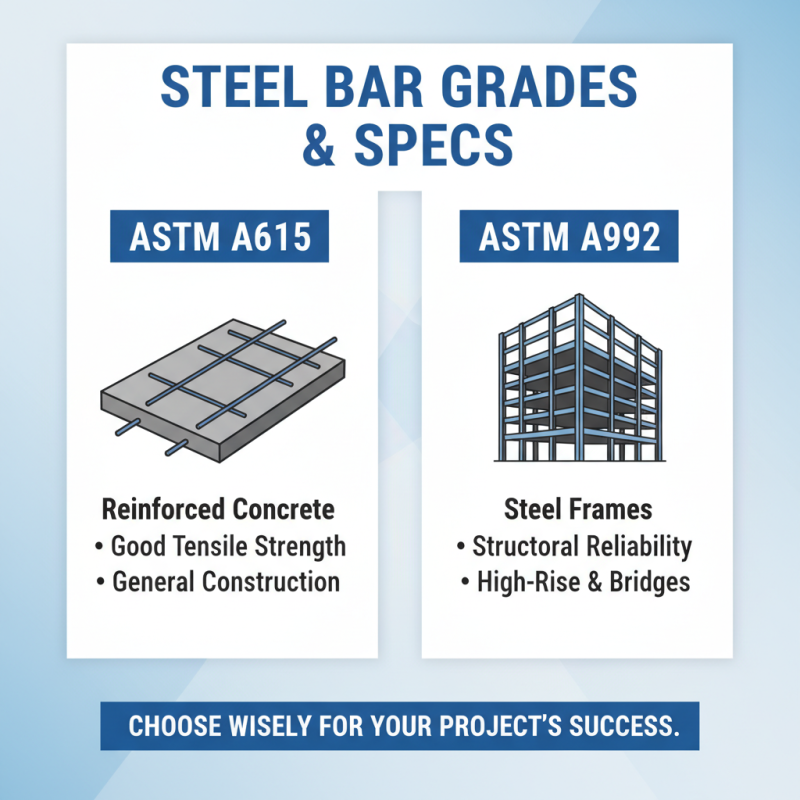
When selecting a steel bar for your construction project, understanding grades and specifications is crucial. Steel bars come in various grades, each designed for specific applications. For example, ASTM A615 is a common grade used in reinforced concrete. It offers good tensile strength and is suitable for most building projects. Meanwhile, ASTM A992 is used in steel frames and has distinct structural reliability.
Each grade has unique properties that affect its performance and durability. Higher grade steel generally exhibits better resistance to fatigue and corrosion. However, it can also be more challenging to work with. A careful assessment of your project's needs is vital. For instance, consider the environmental conditions the steel will face. Will it endure heavy loads? Will it be exposed to moisture? These factors will influence your choice.
It's essential to consult with professionals when in doubt about specifications. Relying solely on standard charts might not be sufficient. Projects often reveal unexpected challenges, even with the right materials. Take the time to gather insights and review specifications thoroughly. Remember, the best choice is one that aligns both with project requirements and environmental demands.
Common Mistakes to Avoid in Steel Bar Selection
Choosing the right steel bar can be overwhelming. A common mistake is not considering the intended use. Steel bars vary widely in strength, flexibility, and weight. Using the wrong type could compromise your project’s integrity. Always match the steel bar type to the specific demands of your project.
Another mistake is overlooking the environmental factors. For instance, corrosion resistance is vital in certain applications. If the steel bar will be exposed to moisture, consider selecting a stainless steel variant. Ignoring this can lead to premature failure and costly repairs.
Tips: Always consult an expert when in doubt. Their insights can save you time and resources. Also, take the time to research industry standards. This knowledge ensures you are not just following trends but making informed decisions. Quality matters, even if it comes at a higher cost. Prioritize durability and safety over short-term savings.
How to Choose the Right Steel Bar for Your Project? - Common Mistakes to Avoid in Steel Bar Selection
| Dimension |
Material Type |
Yield Strength (MPa) |
Common Uses |
| 10 mm |
Mild Steel |
250 |
General Construction |
| 12 mm |
High Strength Steel |
350 |
Structural Applications |
| 16 mm |
Carbon Steel |
400 |
Reinforcement |
| 20 mm |
Alloy Steel |
500 |
Heavy Duty Structures |
| 25 mm |
Stainless Steel |
600 |
Corrosion Resistance Applications |
Tips for Sourcing Quality Steel Bars for Your Project
When sourcing quality steel bars, expertise and reliability are paramount. Start by understanding material specifications. According to the American Society for Testing and Materials (ASTM), proper certification ensures steel's mechanical properties meet industry standards. Always request test reports. This confirms material quality, guaranteeing a strong foundation for your project.
Explore your local suppliers and online distributors. Be cautious, as pricing can vary significantly. A recent study from the Steel Market Development Institute indicates that fluctuating prices are impacted by global demand and raw material costs. Pay attention to suppliers’ delivery times and inventory levels. A reliable supplier should be transparent about their stock.
Do consider the steel grades required for specific applications. Different projects need varying levels of strength and durability. For instance, using low-carbon steel might suit fabrication projects, while high-strength bars may be necessary for construction.
Verify if the supplier adheres to quality assurance protocols. It's a red flag if they hesitate to share this information. Browsing reviews and seeking references can also reveal valuable insights.