How to Choose the Right GI Pipe for Your Plumbing Needs: A Complete Guide
When it comes to plumbing needs, the choice of materials is paramount to ensure durability, safety, and efficiency. Galvanized iron pipes, commonly referred to as GI pipes, have been widely used in plumbing systems due to their corrosion resistance and strength. According to a report by the U.S. Environmental Protection Agency (EPA), over 50% of water distribution systems in the United States utilize metal pipes, with a significant portion being GI pipes, especially in older infrastructures. This reliance on GI pipes highlights the importance of understanding their specifications, advantages, and potential limitations.
Furthermore, recent studies indicate that the global market for GI pipes is projected to grow at a compound annual growth rate (CAGR) of 6.5% from 2021 to 2026, driven by the increasing demand for infrastructure development and urbanization. As industries evolve and plumbing technologies advance, selecting the right GI pipe becomes critical for both residential and commercial applications. A comprehensive understanding of the various types of GI pipes, their appropriate uses, and how they compare to alternative materials is essential for making an informed decision. In this guide, we will explore the factors to consider when choosing GI pipes tailored to your specific plumbing needs.
Understanding GI Pipes: Types and Specifications
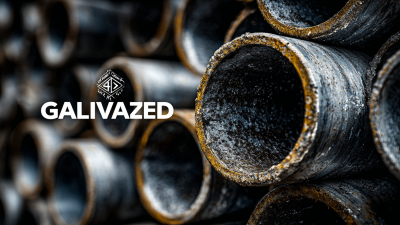
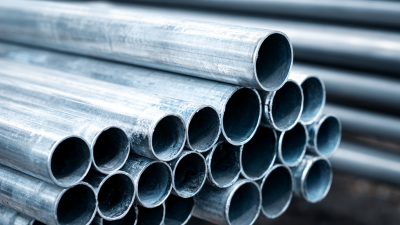
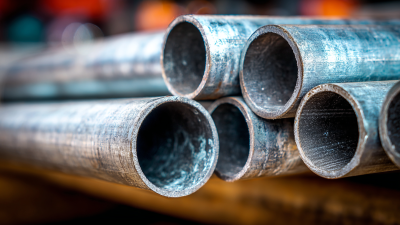
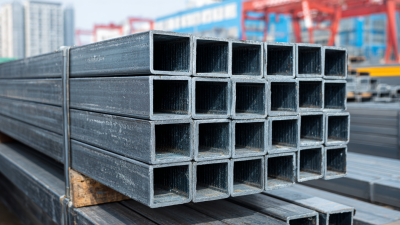
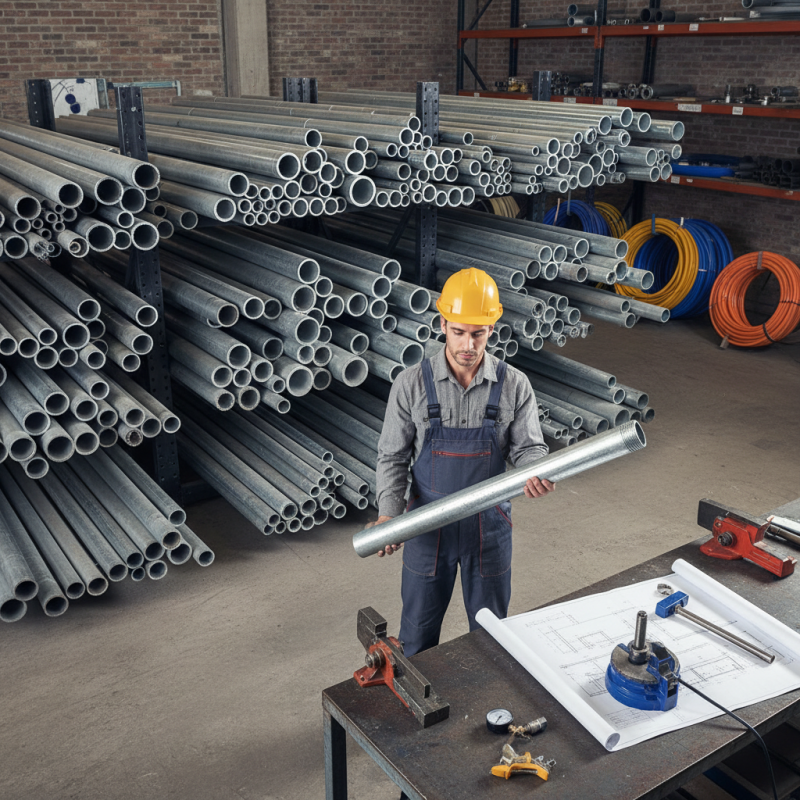
GI (Galvanized Iron) pipes are a popular choice in plumbing systems due to their durability and resistance to corrosion. Understanding the types and specifications of GI pipes is essential for selecting the right option for your plumbing needs. GI pipes are typically classified into two main categories: medium and heavy gauge pipes. The gauge refers to the thickness of the pipe, which directly affects its strength and adaptability to different plumbing applications. According to industry reports, medium gauge GI pipes are most common in residential applications, while heavy gauge pipes are often used in commercial and industrial settings where higher pressure and robustness are required.
In terms of specifications, GI pipes conform to various standards, with a common specification being IS 1239 in India, which outlines the requirements for the quality and dimensions of these pipes. The nominal sizes typically range from 15mm to 150mm in diameter, while the standard lengths are usually 6 meters. Additionally, the wall thickness, which can vary from 1.6 mm to 6.4 mm, is also a crucial factor to consider, as it influences the pipe's weight and ability to handle fluid flow. Research indicates that properly selected and installed GI pipes can have a lifespan of over 30 years, making them a reliable choice for both residential and commercial plumbing applications.
Assessing Your Plumbing Needs for GI Pipe Selection
When selecting the right GI pipe for your plumbing needs, it is essential to begin by assessing the specific requirements of your plumbing system. Start by evaluating the water pressure in your area, as this will influence the pipe diameter and wall thickness necessary to ensure optimal flow. Additionally, consider the temperature of the water that will flow through the pipes, as varying temperatures can impact the integrity of the material over time. A thorough understanding of these factors will guide you in making a more informed decision regarding the appropriate specifications for your GI pipes.
Next, assess the overall layout of your plumbing system. Identify the length of the piping required, as well as any bends or junctions that may need to be accommodated. The complexity of the design can affect the choice of pipe fittings and connections, which is crucial for ensuring a leak-free system. Be diligent in considering the environment in which the pipes will be installed, including moisture levels and potential exposure to corrosive elements. By carefully evaluating these aspects, you will be well-equipped to select the right GI pipe that meets both your functional needs and long-term performance expectations.
Factors to Consider When Choosing GI Pipes
When selecting the right GI (Galvanized Iron) pipe for your plumbing needs, several factors come into play that can significantly influence both functionality and durability. First, consider the intended application of the pipe. Is it for water supply, drainage, or construction purposes? Different applications may require varying pipe thicknesses and diameters to ensure efficient flow and structural integrity. Additionally, the local environment can affect your choice; for example, pipes used in corrosive environments may require a thicker galvanization to extend their lifespan.
Another crucial aspect to evaluate is the pipe's standard compliance and certifications. GI pipes must meet specific industry standards to ensure they are safe and effective for their intended use. Always check for relevant certifications that guarantee the quality and reliability of the materials.
Tips for Choosing GI Pipes:
- - Compare specifications: Pay attention to dimensions, wall thickness, and weight to ensure the pipe fits your specific plumbing requirements.
- - Consult with professionals: When in doubt, seek advice from plumbing experts to gain insights into the best options tailored to your project.
- - Consider future needs: Choose pipes that can accommodate potential future expansions or modifications to your plumbing system, thus saving time and resources in the long run.
Comparing GI Pipes with Alternative Plumbing Materials
When selecting the appropriate plumbing materials, it's essential to compare
GI (Galvanized Iron) pipes with alternative options such as
PVC, CPVC,
and PEX. GI pipes have been a traditional choice in plumbing
due to their durability and resistance to rust.
According to a report by the World Plumbing Council, GI pipes can last between
20 to 50 years, depending on the environment and maintenance,
making them a reliable option for many installations. However, they also carry significant weight
and can be more complicated to install compared to lighter alternatives.
 On the other hand, materials like PVC and CPVC have gained popularity for their
corrosion resistance, lower cost, and ease of installation. Research by the American Society of Plumbing Engineers
indicates that PVC pipes are about 40% lighter than GI
pipes, which reduces shipping costs and makes handling easier during installation. Additionally,
PEX pipes offer flexibility and a lifespan similar to GI, often exceeding 50 years,
which can significantly lower the chances of leaks and repairs over time. Each material has its unique
advantages and considerations, and understanding these can guide homeowners and builders in making
informed decisions tailored to their specific plumbing needs.
On the other hand, materials like PVC and CPVC have gained popularity for their
corrosion resistance, lower cost, and ease of installation. Research by the American Society of Plumbing Engineers
indicates that PVC pipes are about 40% lighter than GI
pipes, which reduces shipping costs and makes handling easier during installation. Additionally,
PEX pipes offer flexibility and a lifespan similar to GI, often exceeding 50 years,
which can significantly lower the chances of leaks and repairs over time. Each material has its unique
advantages and considerations, and understanding these can guide homeowners and builders in making
informed decisions tailored to their specific plumbing needs.
Installation and Maintenance Tips for GI Pipes
When it comes to the installation and maintenance of Galvanized Iron (GI) pipes, several key practices can ensure longevity and reliability in your plumbing system. First, it's crucial to prepare the installation area properly. This involves ensuring that the surfaces where the GI pipes will be installed are dry and free from contaminants. When joining pipes, using the correct fittings and ensuring tight seals are essential to prevent leaks. Additionally, proper alignment during installation helps avoid excessive stress on the joints, which can lead to premature failure.
After installation, regular maintenance is vital for maintaining the functionality of GI pipes. Inspecting for signs of rust or corrosion is one of the most important tasks. If corrosion is detected, addressing it promptly can extend the lifespan of the pipe. Cleaning the pipes periodically to remove any debris or buildup can help maintain water quality and flow efficiency. Moreover, monitoring water pressure within your plumbing system can alert you to potential issues with the GI pipes, such as blockages or leaks, allowing for timely repairs and ensuring a smooth-running plumbing system. Adhering to these installation and maintenance tips will help ensure that your GI pipes serve you effectively for years to come.