How to Choose the Right Galvanized Rectangular Pipe for Your Project?
Choosing the right Galvanized Rectangular Pipe for your project is crucial. These pipes are widely used in construction and industrial applications. According to a recent industry report by the National Metal Manufacturers Association, demand for galvanized pipes has increased by 15% in the last year. This growth reflects their durability and resistance to corrosion.
Expert James Anderson, a leading figure in metal fabrication, states, "Selecting the proper galvanized rectangular pipe can significantly impact structural integrity and cost-efficiency." His insight highlights the importance of understanding your project’s specifications. Factors like load-bearing capacity, environmental conditions, and pipe dimensions must be carefully assessed.
It's easy to overlook these details. However, making an informed decision based on reliable information is essential. Remember, the quality of a galvanized rectangular pipe directly affects its performance and longevity. Investing time in research upfront will pay off long-term.
Understanding Galvanized Rectangular Pipes and Their Applications
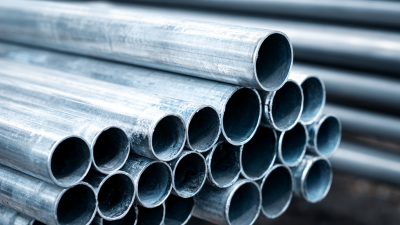
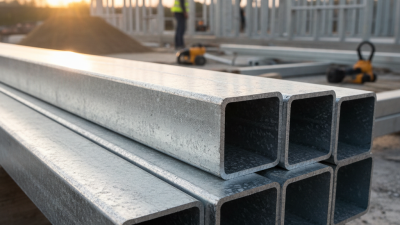
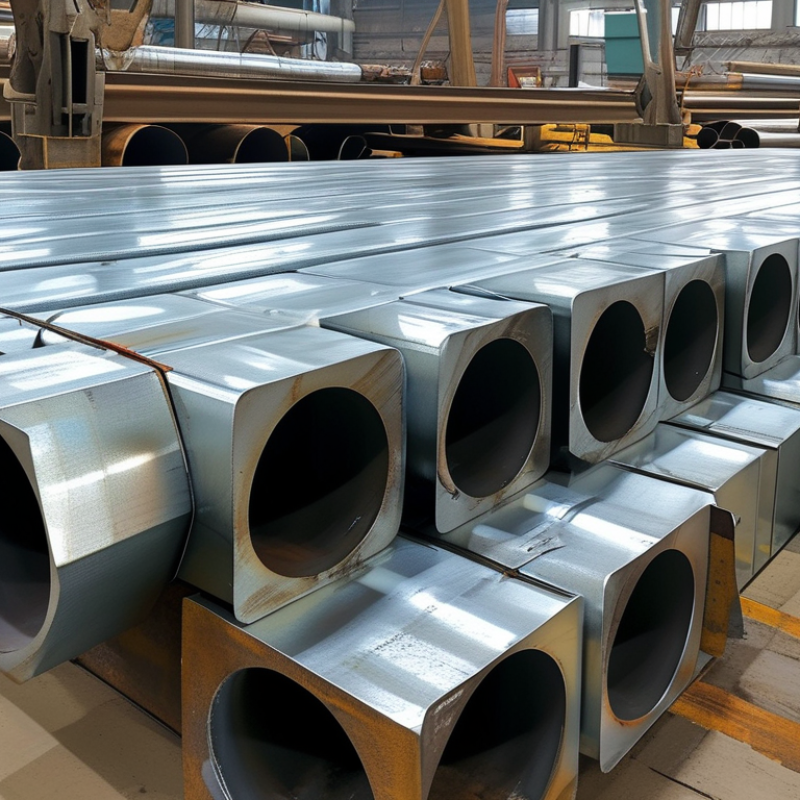
Galvanized rectangular pipes are popular in various industries, appreciated for their durability and resistance to corrosion. These pipes are coated with a layer of zinc to enhance their lifespan. As a result, they are ideal for both indoor and outdoor applications. Construction projects frequently utilize these pipes. They are excellent for structural supports, framework, and even fencing solutions.
Understanding the specific use of galvanized rectangular pipes is crucial. Their size and thickness can significantly impact a project's outcome. For example, a thicker pipe may be necessary for heavy loads in a construction framework. On the other hand, lighter pipes may suffice for decorative railings. Yet, one must avoid the common mistake of one-size-fits-all. Researching the load requirements and environmental factors ensures a reliable choice.
Moreover, not every galvanized pipe is created equal. The quality of zinc coating can vary, affecting corrosion resistance. Always consider the environment where the pipe will be installed. Humid or coastal areas may require higher-grade coatings to prevent rust over time. Choosing the right galvanized rectangular pipe requires careful attention to these details. A small oversight can lead to larger issues down the road.
Factors to Consider When Selecting Pipe Dimensions and Specifications
When selecting galvanized rectangular pipes, dimensions and specifications are crucial. The pipe’s size, including width, height, and thickness, significantly affects its applications. Research from industry reports indicates that improper sizing can lead to structural failures. Always consider the load requirements and environmental exposure when choosing pipe dimensions.
Another important factor is the pipe's coating thickness. A thicker zinc layer can provide better corrosion resistance, especially in harsh environments. Data shows that pipes with a coating thickness of 85 microns or more perform better in adverse conditions. However, thicker coatings can also increase the pipe's weight, which might complicate installation. Striking a balance between durability and manageability is key.
Additionally, evaluate the intended use. For structural applications, rectangular pipes must meet specific strength criteria. Industry standards, such as ASTM A500, set guidelines for structural steel pipes. Ensuring compliance with these standards can prevent issues during inspections and improve long-term reliability. Each project presents unique challenges, requiring thoughtful analysis of these specifications.
Evaluating Quality Standards and Coating Processes for Durability
Choosing the right galvanized rectangular pipe involves understanding its quality standards and coating processes. The durability of these pipes is heavily reliant on the thickness of the zinc coating. The American Galvanizers Association states that a coating thickness of 1.5 mils or greater is optimal for longevity in most applications. This thickness offers strong protection against corrosion, particularly in harsh environments.
Material choice also impacts quality. Hot-dip galvanized pipes generally outperform those treated with electro-galvanizing. According to the International Organization for Standardization (ISO), hot-dip coatings can offer double the lifespan due to their ability to bond more effectively with the base metal. This enhanced adhesion ensures that the protective layer remains intact throughout the pipe's service life.
Inspection and testing are crucial. Not all galvanized pipes meet the same standards. Visual inspections, as well as rigorous testing for zinc layer integrity, are essential. Poorly coated pipes might suffer early failure due to exposed metal. Adopting stringent quality control measures during manufacturing can mitigate this risk. It's important to evaluate pipes against recognized certifications, such as ASTM A123. These factors contribute significantly to achieving a reliable and durable product.
How to Choose the Right Galvanized Rectangular Pipe for Your Project?
| Dimension (inches) |
Wall Thickness (inches) |
Weight (lbs) |
Coating Process |
Durability Rating |
| 2 x 3 |
0.120 |
2.3 |
Hot-dip Galvanization |
High |
| 3 x 4 |
0.140 |
3.5 |
Electro-galvanization |
Medium |
| 4 x 6 |
0.150 |
5.0 |
Zinc Coating |
Very High |
| 2 x 2 |
0.100 |
1.5 |
Hot-dip Galvanization |
High |
Identifying the Right Supplier for Your Galvanized Rectangular Pipes
When selecting a supplier for galvanized rectangular pipes, several factors come into play. Start by assessing their experience in the industry. Suppliers with a long-standing reputation often have the expertise to meet specific project needs. Speak to other contractors about their experiences. Gathering insights can reveal which suppliers are reliable.
Considering the range of products is crucial. Ensure the supplier offers various sizes and specifications for your project. A good supplier should provide detailed product descriptions and quality certifications. This level of transparency builds trust and demonstrates reliability.
**Tip:** Check customer reviews and testimonials. They can guide you in choosing the best option. Unsatisfied customers often highlight issues that may affect your project.
Communication is also key. A responsive supplier can make your purchasing experience smoother. Discuss your project with them. Ask questions about their products and shipping times. Their willingness to engage can be an indicator of their reliability.
**Tip:** Visit the supplier's facility if possible. Seeing operations first-hand adds another layer of confidence in their capabilities. Suppliers should be proud of their standards and processes.
Selecting the right supplier requires diligence and careful thought. It’s essential to interact, inquire, and evaluate thoroughly. Always keep your project’s best interests at heart.
Galvanized Rectangular Pipe Usage by Industry
Cost Considerations and Budgeting for Your Pipe Project
When selecting galvanized rectangular pipes, budgeting is a crucial aspect that can significantly impact your project. The cost varies based on factors such as pipe size, thickness, and application. According to recent industry reports, the price of galvanized steel ranges from $0.70 to $1.50 per pound. Understanding these costs upfront helps you plan accordingly.
Additionally, consider the total lifecycle cost of the pipes, not just the purchase price. Installation expenses, maintenance, and potential corrosion risks can add to your budget. Research shows that 30% of project budgets often exceed initial estimates due to these overlooked factors. It’s essential to factor in these hidden costs to avoid budget overruns.
Quality should not be sacrificed for lower prices. Selecting a less expensive pipe may lead to higher long-term costs. In a recent survey, 70% of project managers reported issues with cheap materials, resulting in project delays and increased expenditures. Investing in quality galvanized pipes is vital for the project's success and should be budgeted for accordingly.