2026 How to Choose the Best Galvanized Tube for Your Needs?
When seeking the ideal Galvanized Tube for your projects, numerous factors must be taken into account. The global market for galvanized steel products is projected to grow significantly. According to a recent report by MarketsandMarkets, the market for steel pipes, tubes, and fittings is expected to reach USD 290 billion by 2026. This is primarily driven by a surge in investments in infrastructure and construction sectors.
Galvanized Tubes are widely recognized for their rust resistance and durability. These attributes make them a preferred choice in various applications, from construction to plumbing. However, the selection process can be daunting. Factors such as pipe thickness, size, and coating standards must not be overlooked. Small errors in selection can lead to long-term issues such as corrosion or structural failure. Understanding these elements is crucial.
Reflecting on the choice of a Galvanized Tube, decision-makers should prioritize quality. Not all galvanized products are created equal; variances in manufacturing processes can lead to significant performance gaps. It is essential to consult trusted industry resources and reports. This ensures informed decisions that can lead to effective outcomes while minimizing risks and unexpected costs.
Understanding Galvanized Tubes: Composition and Properties
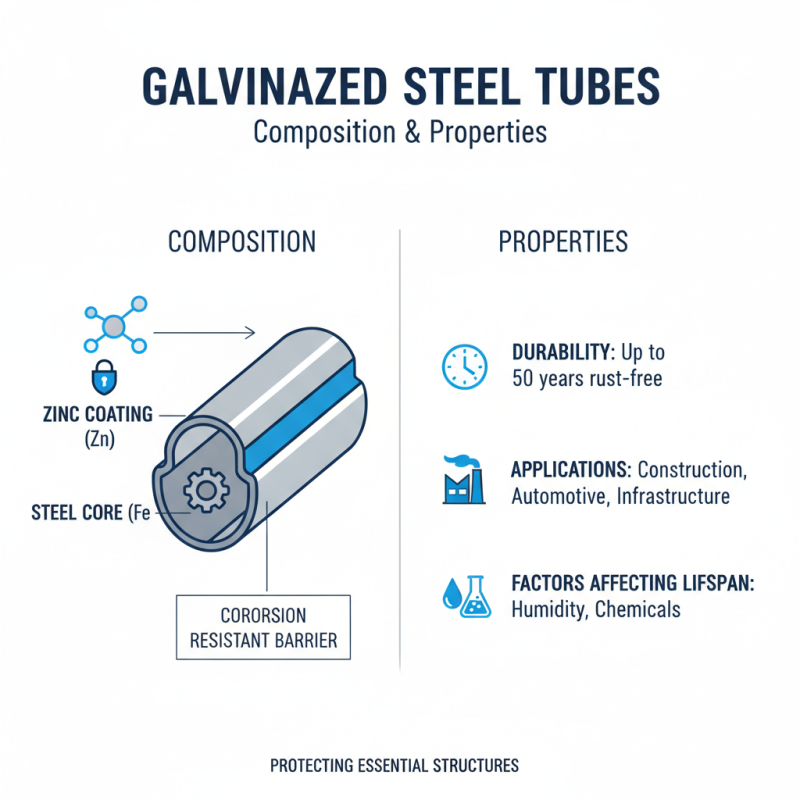
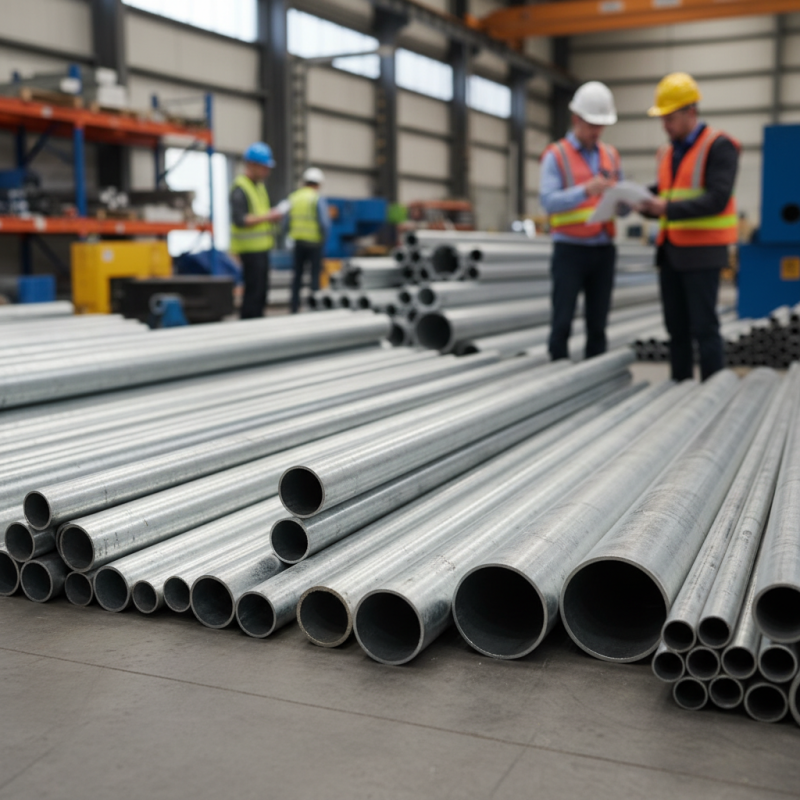
Galvanized tubes are essential in various applications, ranging from construction to automotive industries. Understanding their composition is vital. They are typically made of steel coated with zinc. This zinc layer protects against corrosion. According to industry data, galvanized steel can resist rust for up to 50 years in certain environments. Yet, factors like humidity and exposure to chemicals can affect this lifespan.
The properties of galvanized tubes vary. They offer high tensile strength and durability. However, not all galvanized tubes have the same thickness or coating quality. Some applications require thicker coatings for harsher environments. A report by the American Galvanizers Association suggests that tube thickness can range from 0.5 mm to 20 mm, depending on the requirements. The coating thickness is crucial; it can impact performance and longevity.
Despite their advantages, users often face challenges. Selecting the right type can be tricky. Not understanding the specific needs can lead to premature failure. Some regions may have stricter regulations on quality and standards. This highlights the importance of careful consideration when choosing galvanized tubes for projects.
Types of Galvanized Tubes: Selecting the Right One for Your Project
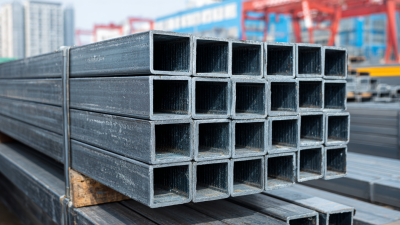
When selecting a galvanized tube for your project, understanding the different types is crucial. Galvanized tubes come in various shapes and sizes, each suited for specific purposes. Round tubes are popular for structural applications due to their strength. On the other hand, square and rectangular tubes are commonly used for framing and fencing. Knowing the requirements of your project can help you make a more informed decision.
Another important factor is the wall thickness. Thicker walls provide more durability but can be heavier and harder to handle. Conversely, thinner walls may be sufficient for lighter applications. It's essential to evaluate the expected load and environmental conditions as the coating can also vary in quality. A tube with a better galvanization process offers enhanced corrosion resistance. Considerations like these can be overwhelming and may lead to second-guessing your choices, but a little research can provide clarity.
When choosing, it helps to think practically. Visualize your project and how the tube will fit in. Will it bear weight? Will it be exposed to elements? Gathering advice from experienced individuals in the field can add valuable insights. Each project has unique demands. Reflecting on your needs will guide you to the right galvanized tube.
Key Factors to Consider When Choosing Galvanized Tubes
When selecting galvanized tubes, several key factors should guide your decision. The thickness of the galvanized coating can influence the tube's longevity. A higher zinc coating thickness often results in increased corrosion resistance. Industry standards suggest that a minimum thickness of 0.45 mm should be considered for outdoor applications, based on a 2020 report by the American Galvanizers Association.
Additionally, understanding the tube's purpose is critical. Are you using it for structural support or fluid transport? Tubes meant for heavy loads typically require a higher yield strength. According to a 2022 survey from Steel Construction Institute, nearly 30% of users reported issues with tube performance due to inadequate specifications. Matching the tube's properties with your needs is essential to avoid future regrets.
The length and diameter of galvanized tubes also matter. Custom sizes can lead to waste and increased costs. A well-researched report from Global Steel Analysis in 2023 highlighted that improper sizing was a significant cause of project overruns. Choosing the correct dimensions ensures better efficiency and less material waste. Remember, sometimes, the most economical option may not fit the job perfectly.
2026 How to Choose the Best Galvanized Tube for Your Needs? - Key Factors to Consider When Choosing Galvanized Tubes
| Dimension |
Weight per Meter (kg) |
Wall Thickness (mm) |
Application |
| 25mm x 2mm |
0.9 |
2 |
Fencing |
| 32mm x 3mm |
1.3 |
3 |
Scaffolding |
| 40mm x 4mm |
1.9 |
4 |
Structural Framework |
| 50mm x 5mm |
2.5 |
5 |
Heavy Duty Applications |
| 60mm x 6mm |
3.1 |
6 |
Building Constructions |
Applications of Galvanized Tubes in Various Industries
Galvanized tubes play a crucial role across various industries. In construction, they are widely used for scaffolding and structural supports. The protective zinc coating enhances durability, making them ideal for both indoor and outdoor applications. According to a report by the American Galvanizers Association, galvanized steel can last up to 50 years in certain environments.
In agriculture, galvanized tubes are often found in fencing and irrigation systems. Their corrosion resistance is vital in farm settings, where moisture is prevalent. A study published in the Journal of Agricultural Engineering highlighted that using galvanized materials can reduce maintenance costs by up to 30%. This data indicates that the initial investment in galvanized tubing could lead to significant savings over time.
However, selecting the right galvanized tube should not be taken lightly. Various factors influence performance, including wall thickness and diameter. It’s essential to analyze specific project requirements. Users may overlook the differences in zinc coating thickness, which can affect longevity. Seeking expert advice is advisable to ensure proper selection. A well-informed choice can lead to enhanced efficiency and reduce long-term expenses.
Applications of Galvanized Tubes in Various Industries