How to Choose the Right Cold Rolled Coils for Your Project?
Choosing the right Cold Rolled Coils for your project can seem challenging. As industry expert James Miller once stated, "The right material makes all the difference." Understanding your project's needs is critical in selecting the appropriate coils.
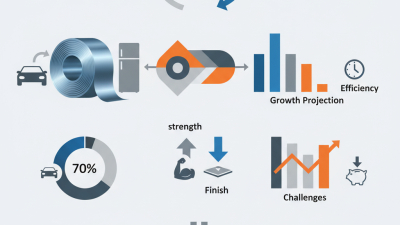
Cold Rolled Coils come in various grades and thicknesses, influencing their strength and formability. Each project demands specific characteristics. For instance, automotive applications require high strength. In contrast, appliances often prioritize surface finish and ductility. This necessity to align material properties with project requirements can complicate the selection process.
Often, decisions may feel rushed, and one might overlook crucial factors. The right Cold Rolled Coils can enhance durability and performance, while the wrong choice can lead to failures. Effective selection requires careful consideration of specifications, supplier reliability, and market trends. Balancing these elements demands attention and reflection.

Understanding Cold Rolled Coils: A Comprehensive Overview
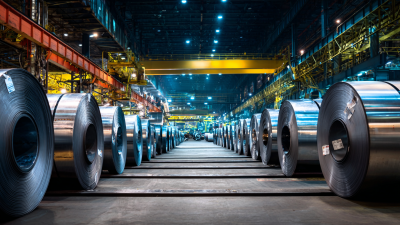
Cold rolled coils are essential materials in various industries. These coils are made through a process that enhances their strength and surface finish. The production involves rolling steel at room temperature, which decreases thickness and increases durability. The result is a smooth finish, making them ideal for applications like automotive parts and appliances.
Choosing the right cold rolled coil requires careful consideration. Material thickness, width, and mechanical properties are crucial factors. Knowing the specifications of your project is vital. It’s essential to match the coil's properties to your requirements. For instance, a coil that’s too thin may not support heavy loads. A thick coil could lead to unnecessary costs and weight.
Be aware that not all coils are created equal. Some may have defects, while others might not meet quality standards. Scratches and dents can appear during handling. Understanding these potential issues is as important as knowing the right specifications. Take the time to evaluate options. This decision has a lasting impact on your project's success.
Cold Rolled Coils Applications and Thickness Comparison
Key Factors to Consider When Selecting Cold Rolled Coils
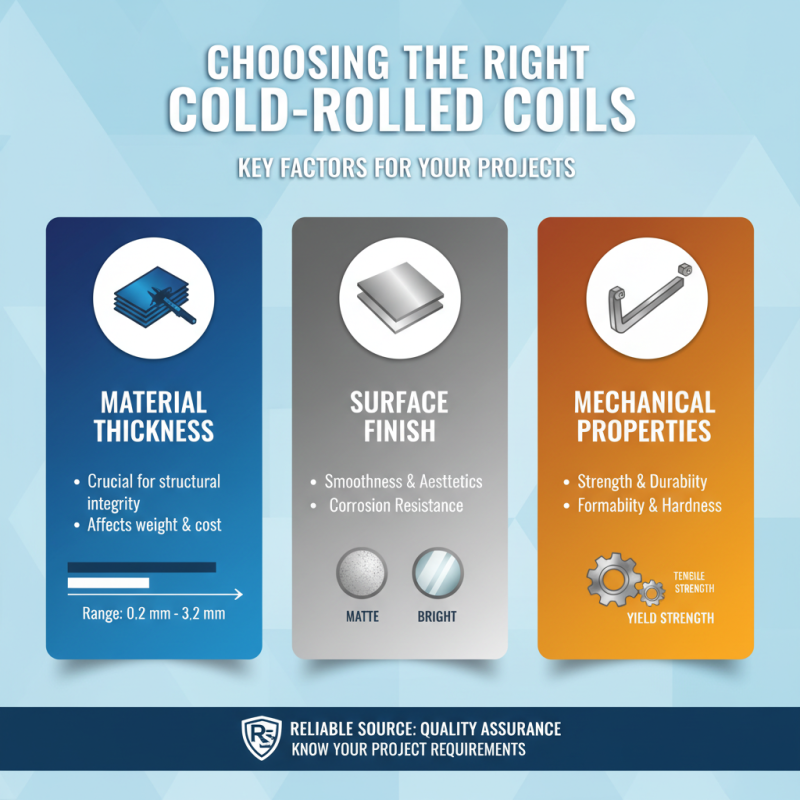
Choosing the right cold rolled coils is crucial for many projects. Key factors influence the decision-making process. Material thickness, surface finish, and mechanical properties are among the primary considerations. A reliable source indicates that cold rolled steel's thickness typically ranges from 0.2 mm to 3.2 mm. It’s essential to know the specific requirements of your project.
Tip: Always check the product specifications before making a decision.
Surface finish affects the aesthetics and functionality. Different finishes provide varied resistance to corrosion and wear. According to industry reports, coils with smoother surfaces can enhance the final product's appearance. However, they may be more expensive. Weighing costs against benefits is important during this selection.
Tip: Consider the trade-offs between price and quality.
Mechanical properties are another area to assess. Yield strength and tensile strength play vital roles in performance. Research suggests that properly selected coils can improve the durability of the finished product. Yet, selecting a coil with higher strength might result in increased brittleness, which could compromise performance.
Tip: Always think about the long-term implications of your material choices.
Material Specifications and Standards for Cold Rolled Coils
When selecting cold rolled coils for your project, understanding material specifications is crucial. Cold rolled coils are typically made from low or medium carbon steel. The thickness can vary widely, starting from less than 0.25 mm to over 6 mm. Different industries require specific grades of steel, which impacts strength, ductility, and corrosion resistance. Knowing these details helps you avoid pitfalls.
Standards like ASTM or EN provide guidelines for mechanical properties and surface quality. For instance, a certain industrial application might demand smooth surfaces to minimize friction. You'll also want to consider the yield strength and elongation percentages specific to your needs. It’s essential to review the tensile test results carefully. However, not every supplier provides this data, which could lead to poor decisions. If in doubt, do not hesitate to ask for further documentation.
In some cases, the intended application can be misjudged. You might think a high-carbon steel is suitable, but it may not be. A low-carbon option could be better for forming processes. Always reflect on how each specification aligns with your project requirements. This reflection could save time and resources in the long run.
Application Areas and Use Cases for Cold Rolled Coils
Cold rolled coils are widely used in various industries due to their
excellent surface quality and mechanical properties. They find applications in
automotive manufacturing, construction, and electronics. According to industry reports,
the global cold rolled steel market size was valued at approximately $400 billion
in 2022. This figure is expected to grow steadily, indicating a robust demand for cold rolled products.
In automotive applications, cold rolled coils are essential for producing components like body panels and chassis.
They offer superior formability and strength. For construction,
these coils are often transformed into beams and roof panels. The construction sector consumed nearly
40% of the total cold rolled steel in recent years,
highlighting its significance in structural applications.
However, selecting the right cold rolled coil can be challenging. Various specifications, such as thickness
and coating, can impact performance. Not all coils guarantee the same quality. Inefficient selection may
lead to defects in the final product. It’s crucial to understand the specific needs of each project before
making a decision. Consideration for compatibility with other materials is also important.
Evaluating Quality and Performance of Cold Rolled Coils
When evaluating the quality and performance of cold rolled coils, several key factors come into play. The thickness of the material is critical. According to industry reports, coils typically range from 0.2 mm to 3 mm. Thinner coils may offer flexibility but could lack strength. Conversely, thicker coils provide durability but can be heavier and harder to work with. Striking a balance is essential for project specifications.
Surface finish is another crucial consideration. Cold rolled coils can exhibit different surface qualities, affecting their application. The most common finishes include matte and polished. A polished finish, while aesthetically pleasing, often demands higher manufacturing precision. Missteps in choosing the right finish can affect welding or painting processes.
Mechanical properties are also vital in assessing cold rolled coils. Yield strength, tensile strength, and elongation determine how the material will behave under stress. For example, a coil with a yield strength of 250 MPa can withstand considerable force without deforming. However, using a material that’s too rigid might lead to unexpected failures in some applications. Understanding these performance metrics involves careful inspections and validation against industry standards.