| Product Specification |
Steel grade and standard |
Confirm the required grade and governing standard, such as ASTM, EN, JIS, or an agreed equivalent. The grade designation, chemical limits, and mechanical requirements must match the purchase contract. |
Technical data sheet, purchase specification, applicable standard, and material test certificate. |
Compare the certificate values with the exact standard edition and contract requirements before shipment. |
Non-conforming material may be rejected at customs, during production, or after independent inspection. |
| Product Specification |
Thickness, width, and coil weight |
Set dimensional tolerances in the contract. Common commercial requirements include mill-edge or trimmed-edge coils, defined inside diameter, outside diameter, and agreed coil-weight limits. |
Dimensional tolerance table, coil packing specification, and sample inspection report. |
Measure random coils with calibrated equipment and verify the supplier's tolerance system. |
Excessive dimensional variation can cause processing downtime, yield loss, or claims. |
| Product Specification |
Surface condition |
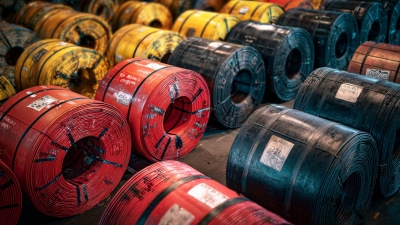
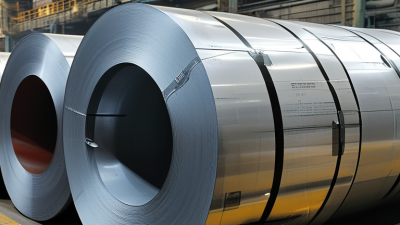
Define acceptable levels for scale, rust, edge cracking, dents, scratches, laminations, and telescoping. Hot rolled coils are normally supplied with a mill scale surface unless descaling or pickling is specified. |
Surface-quality standard, approved reference samples, inspection procedure, and photographs of actual coils. |
Use pre-shipment visual inspection and, where necessary, ultrasonic or other agreed testing for internal discontinuities. |
Surface defects may reduce usable yield and create additional pickling, grinding, or rework costs. |
| Product Specification |
Chemical composition |
Carbon, manganese, silicon, phosphorus, sulfur, and any specified alloying elements must remain within the limits of the selected grade. |
Heat analysis and product analysis recorded on the material test certificate. |
Check heat numbers, laboratory signatures, and random third-party sampling when order value or risk is high. |
Incorrect chemistry can affect weldability, forming performance, strength, and downstream compliance. |
| Product Specification |
Mechanical properties |
Verify yield strength, tensile strength, elongation, and any required bend or impact performance against the contractual standard. |
Product test results, testing method, specimen direction, and test temperature where applicable. |
Confirm that the reported test method is permitted by the referenced standard and covers the supplied heat or lot. |
Material may fail forming, structural, or fabrication requirements even when appearance is acceptable. |
| Supplier Capability |
Production capacity and continuity |
Assess whether the supplier can meet the required monthly volume, coil dimensions, delivery schedule, and repeat-order requirements without relying on unapproved sources. |
Capacity statement, production schedule, lead-time commitment, and previous shipment records with confidential information removed. |
Compare promised capacity with equipment capability, mill schedule, and historical on-time performance. |
Short shipments, split lots, or late delivery can interrupt inventory planning and customer commitments. |
| Supplier Capability |
Quality management system |
An ISO 9001-certified quality management system is a useful baseline, but certification does not replace product inspection or contract controls. |
Valid certificate, certification scope, issuing certification body, and latest audit status. |
Verify certificate validity directly through the certification body's public register where available. |
Weak process control increases the probability of mixed grades, incorrect labels, and repeated defects. |
| Supplier Capability |
Traceability |
Each coil should be traceable to a heat or cast number, production date, grade, dimensions, and inspection record. |
Heat number map, coil list, inspection records, and sample labels. |
Match physical coil markings with packing lists, certificates, invoices, and bills of lading. |
Lost traceability makes it difficult to isolate non-conforming material or support a claim. |
| Certifications |
Material test certificate |
The certificate should identify the producer, grade, standard, heat number, dimensions, chemical results, mechanical results, and inspection basis. |
Mill test certificate or product certificate issued for the actual shipment. |
Check that certificate data corresponds to the shipped coils rather than a generic product brochure. |
Generic or incomplete certificates may not satisfy customer, customs, or regulatory requirements. |
| Certifications |
Environmental and sustainability evidence |
For markets with carbon-reporting or customer sustainability requirements, request the applicable environmental product information, emissions data, or supply-chain declarations. |
Environmental declarations, emissions data, energy information, and origin documentation where applicable. |
Confirm the reporting boundary, calculation method, covered production period, and independent verification status. |
Incomplete data can create reporting delays, additional compliance costs, or loss of preferred-supplier status. |
| Export Standards |
Country-of-origin documentation |
Origin details must be consistent across the commercial invoice, packing list, certificate of origin, mill documents, and customs declaration. |
Certificate of origin, commercial invoice, packing list, and origin statement where required. |
Review origin rules for the destination market and confirm whether preferential tariff treatment is available. |
Incorrect origin information can lead to duty reassessment, customs holds, penalties, or shipment delays. |
| Export Standards |
Customs classification |
Use the correct Harmonized System classification for hot rolled flat-rolled steel, considering width, thickness, alloy status, coating, and processing condition. |
Proposed HS code, product description, technical specification, and customs broker review. |
Obtain an advance classification ruling or written confirmation from the destination customs authority when uncertainty is material. |
Misclassification may result in incorrect duties, import restrictions, or customs inspection. |
| Export Standards |
Trade-remedy and import controls |
Check whether the destination country applies anti-dumping duties, countervailing duties, safeguards, quotas, licensing, or product-specific import measures. |
Supplier origin information, customs classification, shipment value, and current destination-country trade notices. |
Review official customs and trade-authority sources before signing the contract and before shipment. |
Unexpected duties or quota restrictions can substantially change the landed cost. |
| Logistics |
Packaging and seaworthiness |
Packaging should protect coils from moisture, impact, deformation, and movement during multimodal transport. Eye-to-side or eye-to-sky orientation must be specified. |
Packing specification, loading photographs, lashing plan, and container or vessel loading record. |
Confirm use of suitable skids, straps, edge protection, waterproofing, and weight distribution. |
Water damage, coil shifting, or deformation may produce cargo claims and unusable material. |
| Logistics |
Incoterms and insurance |
State the agreed Incoterms rule and named place, such as FOB, CFR, CIF, FCA, or DAP. Clarify when risk transfers and who arranges insurance. |
Signed sales contract, pro forma invoice, insurance certificate, and freight quotation. |
Ensure the Incoterms rule matches the actual transport method and clearly allocates export clearance, freight, insurance, and unloading responsibilities. |
Ambiguous risk allocation can cause disputes over damage, freight charges, and customs responsibilities. |
| Commercial Control |
Inspection and acceptance terms |
Define inspection timing, sampling method, tolerance limits, claim period, independent inspection rights, and the remedy for non-conforming coils. |
Inspection and test plan, approved standards, claim procedure, and contract acceptance clause. |
Use a pre-shipment inspection for initial orders or high-value cargo and retain representative samples or records. |
Without clear acceptance terms, proving a quality claim after delivery becomes more difficult. |
| Commercial Control |
Total landed cost |
Evaluate the full cost: material price, inland transport, export fees, ocean freight, insurance, duties, taxes, inspection, port charges, financing, and possible demurrage. |
Itemized quotation, freight offer, duty estimate, insurance terms, and destination port charges. |
Compare suppliers using the same Incoterms, currency, payment basis, delivery point, specification, and shipment quantity. |
A low unit price may conceal higher duties, transport costs, quality losses, or delivery risks. |
| Commercial Control |
Payment security |
Match payment terms with supplier history and order risk. Common structures include advance payment, documentary collection, letter of credit, or payment after agreed inspection. |
Pro forma invoice, banking details, letter-of-credit requirements, and credit references where appropriate. |
Verify beneficiary information independently and use documented approval procedures for any bank-detail change. |
Weak payment controls increase exposure to fraud, non-delivery, and recovery difficulties. |
| Final Decision |
Supplier scorecard |
Use a weighted score covering specification compliance, certification, traceability, delivery performance, export readiness, landed cost, financial terms, and corrective-action capability. |
Completed supplier questionnaire, audit report, inspection results, and documented scorecard. |
Approve suppliers only after critical requirements are passed; treat missing certificates or unclear origin as unresolved risks. |
Choosing solely on price may increase total cost, compliance exposure, and supply interruption risk. |