Why Choose Steel Wire Rod for Your Construction Needs?
In the construction industry, the choice of materials is crucial. Steel Wire Rod stands out as a preferred option for many builders. Expert Samuel Tan, an industry leader, once said, "Steel Wire Rod offers unmatched strength and flexibility for modern structures." This statement captures the essence of why this material is favored.
Steel Wire Rod is not just strong; it is versatile. Its applications range from reinforced concrete to wire products. Builders appreciate its durability and resistance to corrosion. This reliability is vital in various environments. However, there can be challenges. Sourcing high-quality Steel Wire Rod can be difficult. Not all suppliers meet the same standards. Builders must research to ensure they use the best materials.
Construction projects require careful planning and material selection. Choosing Steel Wire Rod can enhance structural integrity while also being cost-effective. However, it’s important to reflect on the specific needs of each project. By understanding these elements, builders can make informed decisions that will lead to successful outcomes.
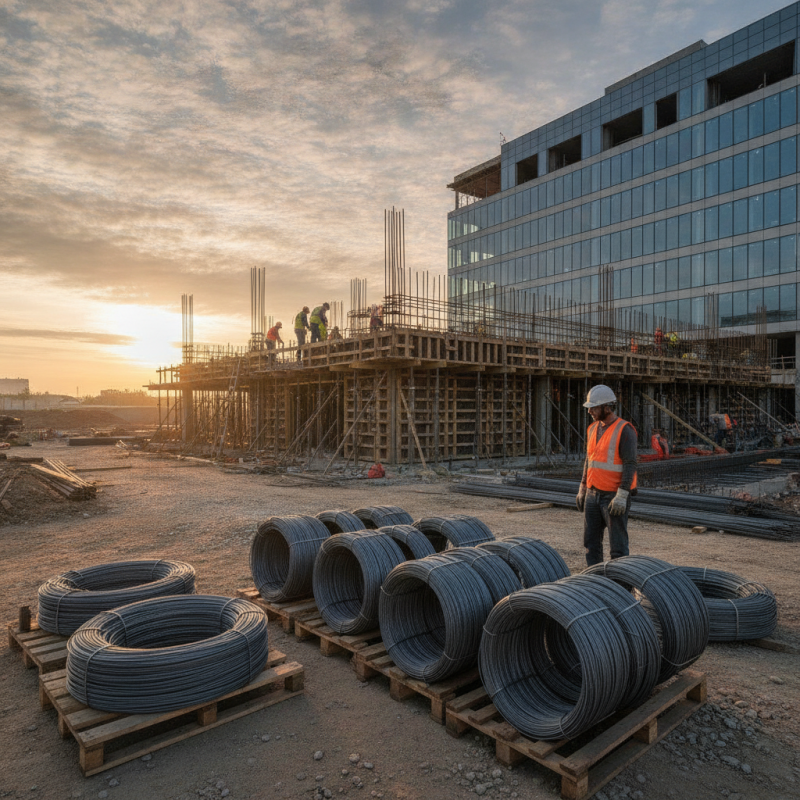
Understanding Steel Wire Rod: Definition and Composition
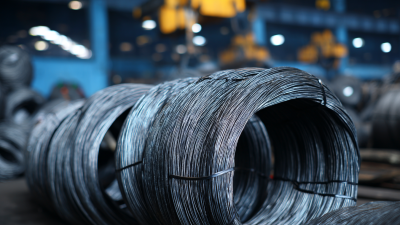
Steel wire rod is a crucial component in construction. It primarily consists of carbon steel, which provides strength and flexibility. The composition usually includes iron, carbon, and small amounts of other elements like manganese and silicon. These elements improve the rod's tensile strength and durability, making it suitable for various structural applications.
The manufacturing process involves drawing the steel through a series of dies, resulting in thinner wires from thicker rods. This process enhances the rod's properties, allowing it to withstand high levels of stress. However, not all steel wire rods are created equal. Variations in composition and manufacturing methods can lead to differences in performance. Buyers must consider these factors carefully.
When choosing steel wire rod, assessing the specific requirements of your project is vital. Consider environmental factors, load-bearing capacity, and corrosion resistance. Often, miscalculations or overlooking these details can lead to issues later. Ensuring quality and reliability in steel wire rod selection is an aspect that requires attention and expertise.
Key Advantages of Steel Wire Rod in Construction Projects
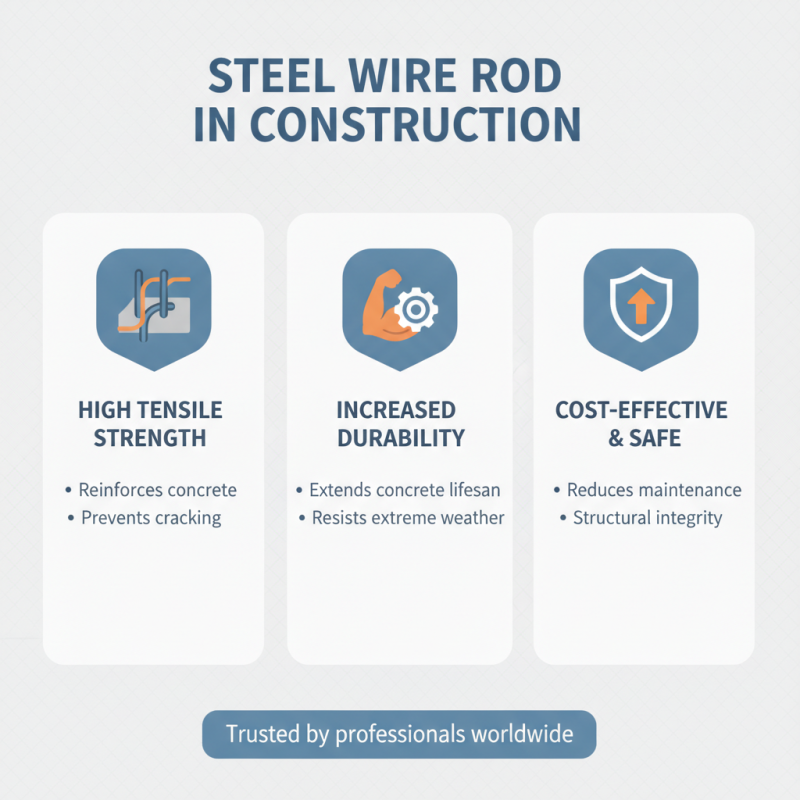
Steel wire rod is gaining popularity in construction projects for several reasons. One key advantage is its strength. Steel wire rod exhibits remarkable tensile strength, making it ideal for reinforcing concrete structures. This strength contributes to the overall integrity of buildings, ensuring they can withstand heavy loads and adverse conditions.
Durability is another significant benefit. Steel wire rod resists corrosion, especially when coated. This resistance extends the lifespan of construction materials, leading to decreased maintenance costs over time. However, it's essential to handle steel wire rod carefully during transport and storage. Improper storage could lead to rust, undermining its reliability.
Flexibility is also a notable feature. Steel wire rods can be easily shaped and adjusted to meet specific design requirements. This adaptability allows for innovative construction solutions but requires skilled labor to ensure proper installation. Reflecting on these advantages, it’s crucial to balance benefits with potential challenges in managing steel wire rod effectively. Responsible sourcing and quality checks can mitigate various risks, providing a strong foundation for any construction project.
Advantages of Steel Wire Rod in Construction Projects
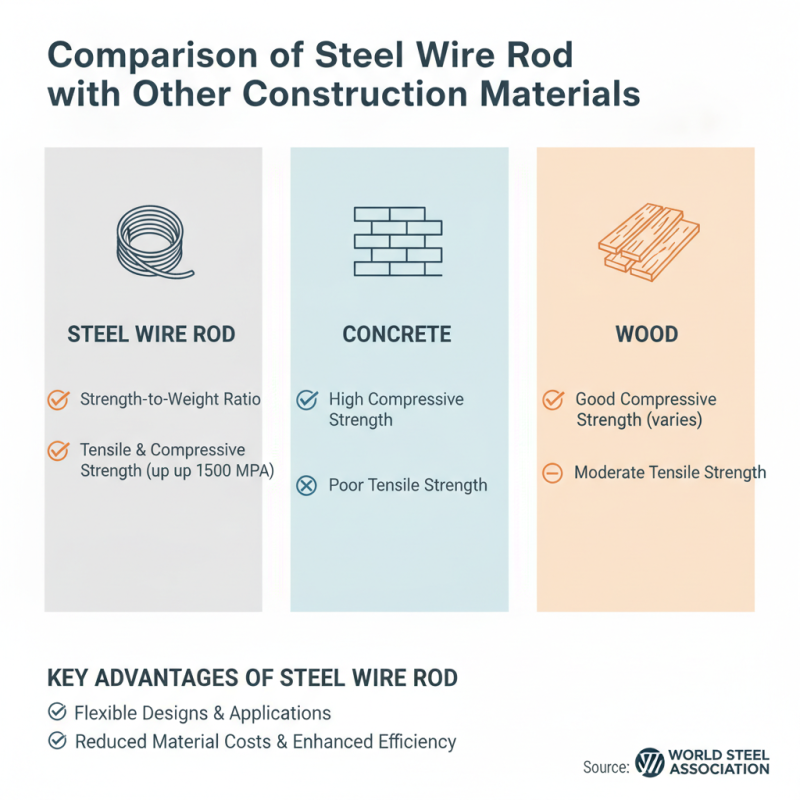
Comparison of Steel Wire Rod with Other Construction Materials
Steel wire rod stands out in construction due to its impressive strength-to-weight ratio. Unlike concrete, which has excellent compressive strength but poor tensile properties, steel wire rod offers both. This capability allows for more flexible designs in structures, reducing material costs and enhancing efficiency. According to the World Steel Association, steel's tensile strength can reach up to 1,500 MPa, which is significantly higher than that of traditional construction materials.
In contrast to aluminum, which can corrode easily, steel wire rod can be treated to resist environmental deterioration. Moreover, steel is recyclable, which aligns well with sustainable construction practices. A report from the American Institute of Steel Construction indicates that recycling steel can save up to 74% of the energy required to produce virgin steel. This makes steel a smart choice for eco-conscious builders.
**Tip:** Always check the local codes regarding materials used in construction. Compliance is crucial for safety and durability.
Another aspect to consider is the cost-effectiveness of using steel wire rod. In some regions, prices may fluctuate due to market demand and availability. It’s wise to conduct a thorough market analysis before procurement. Balancing costs with material performance can be challenging but necessary in project planning.
**Tip:** Engage with structural engineers early in the design phase. Their expertise can guide your material selection and save time later in the project.
Applications of Steel Wire Rod in Various Construction Domains
Steel wire rod is an essential component in various construction sectors. It offers strength and versatility, making it an ideal choice for a wide range of applications. For instance, in the construction of buildings, steel wire rods are used for reinforcing concrete structures. This significantly enhances durability and load-bearing capacity. According to industry reports, the global construction sector is expected to grow at a CAGR of 5.4% from 2021 to 2028, highlighting the increasing demand for reliable materials like steel wire rod.
Additionally, steel wire rods find applications in the manufacturing of wire products, such as mesh and fencing. These products are crucial for safety and security in construction sites. They also support structural integrity by distributing weight evenly. Industry data suggests that the use of steel wire in bridge constructions has reduced the overall maintenance costs by 30% over the lifespan of the structures.
Tip: When selecting steel wire rod, consider its tensile strength and ductility. These properties greatly influence performance in construction.
In the automotive sector, steel wire rods are used in suspension springs and other critical components. This highlights their versatility beyond traditional construction applications. However, sourcing quality steel wire rod is essential. Poor materials can lead to structural failures or safety hazards.
Tip: Always verify certifications and quality standards before purchasing steel wire products. This safeguards against inferior materials and ensures project success.