Best Galvanized Corrugated Steel Sheet Uses and Benefits?
Galvanized Corrugated Steel Sheets are pivotal in various industries today. As expert David Johnson, a construction materials engineer, highlighted, "These sheets offer unmatched durability and versatility." Their resistance to corrosion ensures longevity in different environments.
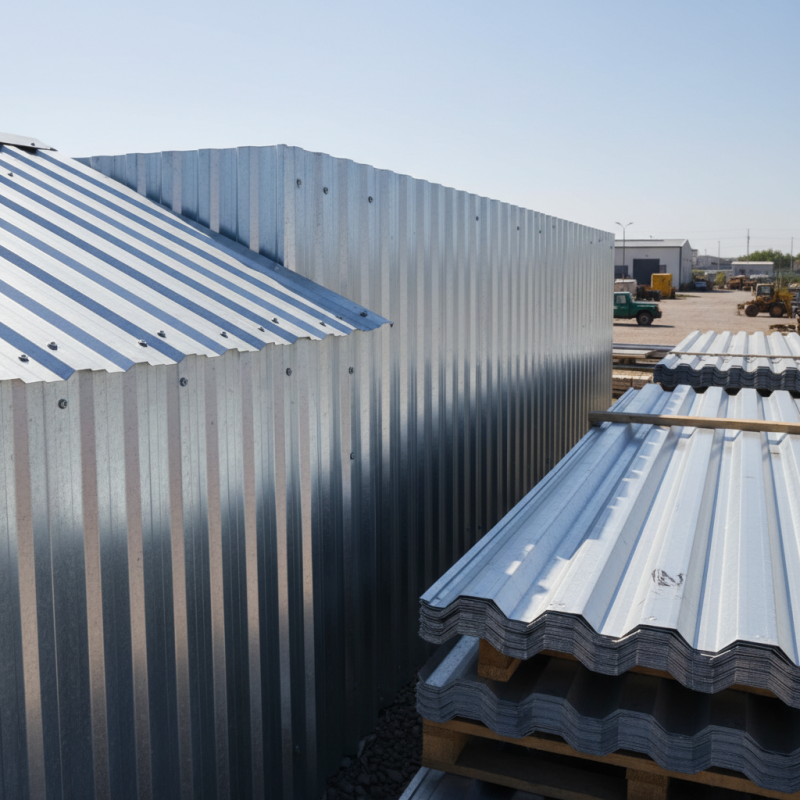
These sheets are widely used in roofing, siding, and fencing. Their lightweight nature makes installation easier. However, not all installations are perfect; it’s essential to ensure that the sheets are well-attached to prevent leaks and premature deterioration.
Beyond functionality, aesthetics matter too. The galvanized finish provides a sleek appearance, yet it can scratch easily if mishandled. Choosing the right gauge is also crucial because it affects both strength and cost. Ultimately, understanding the uses and benefits of Galvanized Corrugated Steel Sheets can influence project success positively.
Overview of Galvanized Corrugated Steel Sheets
Galvanized corrugated steel sheets are widely utilized in various industries. Their unique properties make them ideal for construction, roofing, and agricultural applications. These sheets are made from steel coated with zinc to prevent corrosion. According to industry reports, galvanized steel can last up to 50 years when properly maintained. This longevity makes it a cost-effective choice in the long run.
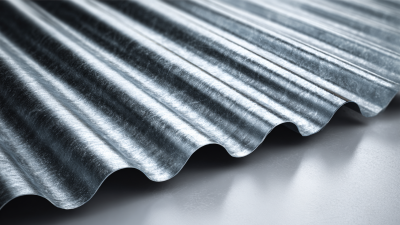
In terms of benefits, these sheets offer strength and durability. They are lightweight yet robust, which eases transport and installation. The corrugated design adds structural integrity without increasing weight. This means buildings can use less material while still being strong. Galvanized sheets are also fire-resistant, which provides additional safety in critical applications. However, not all environments suit them. For example, extreme coastal conditions may lead to faster deterioration.
Tips: Always consider the specific environment before choosing galvanized sheets. Regular inspections can help identify wear early. Maintenance is key to ensuring a long life. While their initial cost may seem high, think about the overall savings over time.
Key Benefits of Using Galvanized Corrugated Steel Sheets
Galvanized corrugated steel sheets have gained popularity for multiple reasons. One significant benefit is their resistance to rust and corrosion. Data from industry reports indicate that galvanized steel can last up to 50 years when properly maintained. This longevity makes it an excellent choice for outdoor structures, roofing, and cladding. However, installation can sometimes be tricky. Misalignment during placement can lead to gaps, affecting durability.
Another key advantage is the material's lightweight nature. Galvanized corrugated sheets are easy to transport and install. This can save both time and labor costs. Yet, the lightweight aspect also means they may not withstand extreme weather conditions without proper support.
Furthermore, these sheets provide excellent thermal insulation, making them energy-efficient. They can reflect sunlight, which helps keep buildings cooler during hot months. Nevertheless, it’s essential to consider that improper installation can lead to thermal bridging. This might compromise energy efficiency. Balancing these benefits and potential drawbacks is crucial for using galvanized corrugated steel sheets effectively.
Key Benefits of Using Galvanized Corrugated Steel Sheets
Common Applications of Galvanized Corrugated Steel Sheets
Galvanized corrugated steel sheets are widely used across various industries. Their durability and corrosion resistance make them ideal for roofing, siding, and fencing. According to a recent report by the World Steel Association, steel sheets can last up to 50 years when galvanized. This longevity reduces the need for frequent replacements, making them a cost-effective solution.
In agricultural settings, these sheets are frequently used in barns and storage facilities. The National Agronomy Association notes that galvanized steel can withstand harsh weather conditions, protecting livestock and equipment. Additionally, corrugated sheets offer better insulation compared to flat sheets, enhancing energy efficiency.
Manufacturing industries also favor these sheets for machinery housings and protective barriers. Their structural strength is notable; they can support significant weight without warping. However, one must consider the environmental impact of steel production. While galvanized sheets are recyclable, the energy consumed during production is substantial. Balancing these factors is crucial for sustainable practices in construction.
Comparison with Other Roofing and Cladding Materials
When comparing galvanized corrugated steel sheets to other roofing and cladding materials, notable differences emerge. Steel sheets offer excellent durability and resistance to harsh weather. They are less likely to succumb to rot or insect damage when compared to wood. Other materials, such as asphalt shingles, may require replacement every 15-30 years. In contrast, steel can last upwards of 50 years with proper maintenance.
However, galvanized steel sheets can have issues. They may be prone to rust if the protective coating is damaged. This is a critical point for users to consider. In areas with heavy rainfall, proper installation and regular inspections are essential. Another concern is the noise factor during rain or hail. Some may find it too loud for residential use. In such cases, insulation or a different material might be necessary.
When examining cost, galvanized steel may initially seem more expensive. Yet, its longevity and low maintenance needs often provide better value in the long run. In some climates, wood and vinyl may rot or fade quickly, leading to higher long-term costs. Each material has strengths and weaknesses. Careful evaluation based on specific needs is crucial.
Maintenance Tips for Galvanized Corrugated Steel Sheet Structures
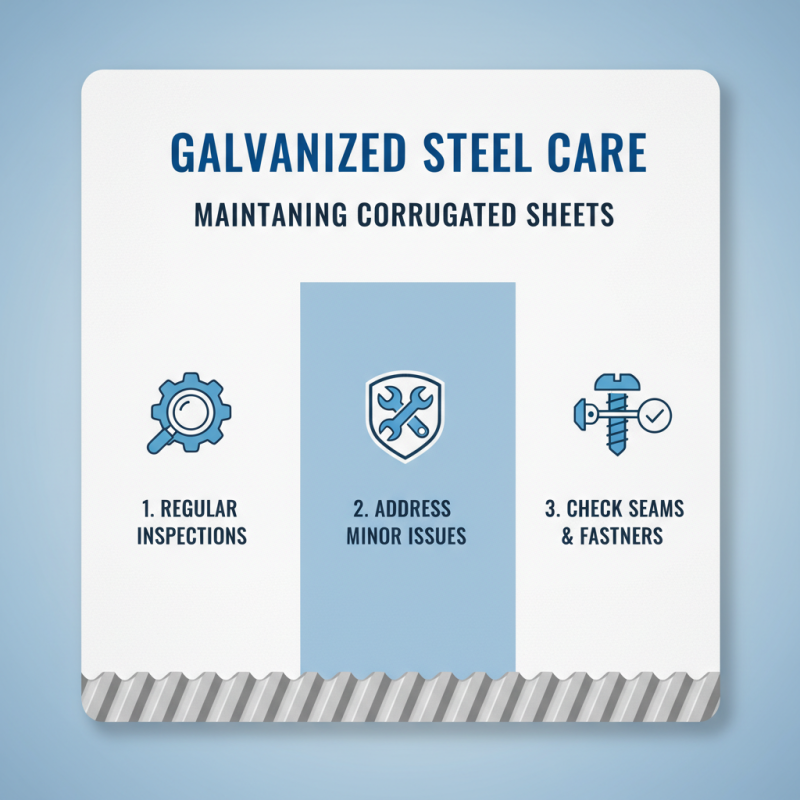
Galvanized corrugated steel sheets are widely used in various applications. However, to maintain their integrity, certain practices should be followed. Regular inspections can identify rust or damage, but they are often overlooked. It is crucial to address minor issues before they escalate. Check seams and joints for any signs of wear. Pay attention to the areas around fasteners, as these often show vulnerabilities.
Cleaning the surface is essential. Dust and debris can accumulate, leading to corrosion. A simple wash with water and a mild detergent can prolong the sheet's life. Avoid harsh chemicals that might cause harm. Moreover, remove any plant growth near the structure. This can trap moisture against the metal, which is detrimental over time.
Lastly, applying a protective coating is beneficial but often neglected. This can add an extra layer of defense against the elements. Additionally, the thickness of the coating matters. Some areas may require more frequent maintenance due to environmental conditions. Though these tasks seem tedious, dedicated care pays off. Regular upkeep and attention can extend the lifespan of galvanized corrugated structures significantly.