Best Steel Profile Types for Construction Projects?
In the construction industry, the choice of materials is crucial. Steel profiles play a significant role in structural integrity and efficiency. According to a recent report by the World Steel Association, the global steel demand is expected to reach 1.8 billion metric tons by 2025. This increasing demand highlights the importance of selecting the right steel profile types for construction projects.
Steel profile varieties such as I-beams, C-channels, and angle bars offer distinct advantages. For instance, I-beams provide high strength-to-weight ratios, making them ideal for skyscrapers and bridges. C-channels are versatile and are commonly used in frame structures. However, selecting the wrong profile can lead to construction flaws and increased costs. The industry often faces challenges in profile selection, resulting in structural inefficiencies.
Despite advances, some projects struggle with miscalculations and inadequate planning. Industry experts suggest that 30% of construction delays stem from material-related issues. Understanding the best steel profile types is essential for overcoming these challenges, ensuring projects are both cost-effective and durable.
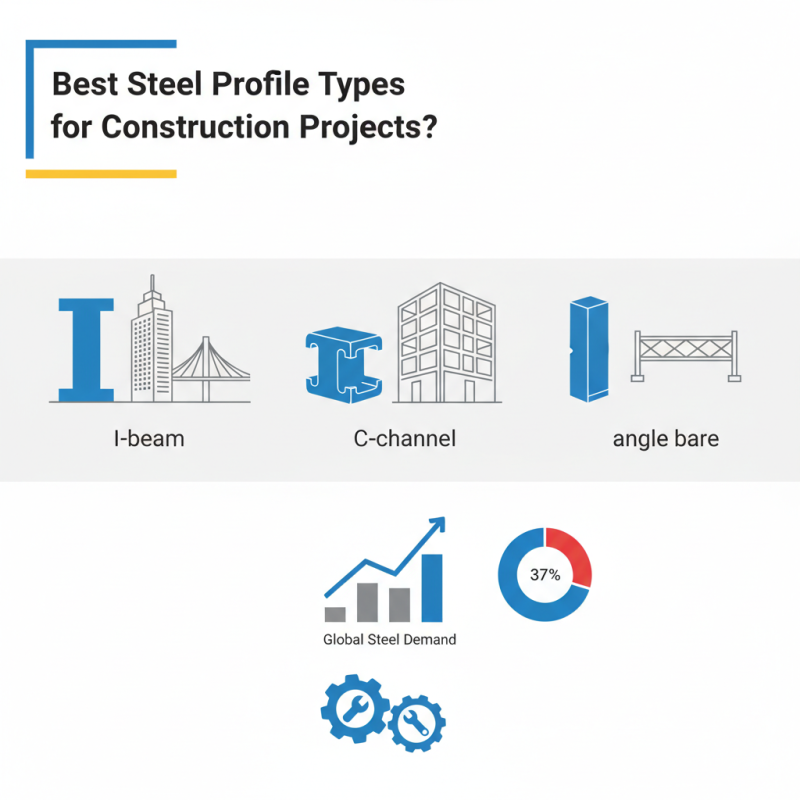
Overview of Steel Profile Types in Construction
Steel profiles play a crucial role in construction. They come in various shapes, each serving specific functions. Common types include I-beams, U-channels, and angles.
I-beams are widely used for their strength and stability. They're ideal for long spans. Meanwhile, U-channels are perfect for structural framing. Their shape makes them efficient in load-bearing.
Each profile type has its strengths but also some weaknesses. I-beams can be heavy, making transportation complicated. U-channels may lack stiffness without additional supports. Angles, while versatile, sometimes require careful calculations to ensure proper load distribution. Understanding these nuances is important for engineers and builders.
Choosing the right profile type can be challenging. The decision should not just rely on strength but also on cost and availability. Sometimes, a cheaper option may lead to future problems, like increased maintenance. It's crucial to reflect on the long-term implications when selecting steel profiles for any construction project.
Key Characteristics of Common Steel Profiles
Steel profiles play a crucial role in construction projects. They come in various shapes and sizes, each with unique characteristics. Common types include I-beams, C-channels, and square tubing. I-beams are known for their high strength-to-weight ratio, making them ideal for supporting heavy loads in buildings and bridges.
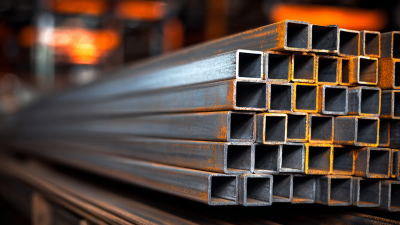
C-channels are versatile and often used for structural support. Their shape allows for easy connection to other components. Square tubing offers additional strength and stability, making it suitable for both structural and decorative applications. It’s important to analyze the project requirements before choosing a profile. Sometimes, the ideal choice may not be obvious, leading to reconsideration.
Consider the environmental factors as well. Corrosion can weaken any steel profile over time. Proper coatings and maintenance are essential but may often be overlooked. In some situations, a less robust profile might suffice, raising questions about the overall design approach. Balancing cost, strength, and aesthetics can be challenging yet rewarding.
Applications of Steel Profiles in Various Construction Projects
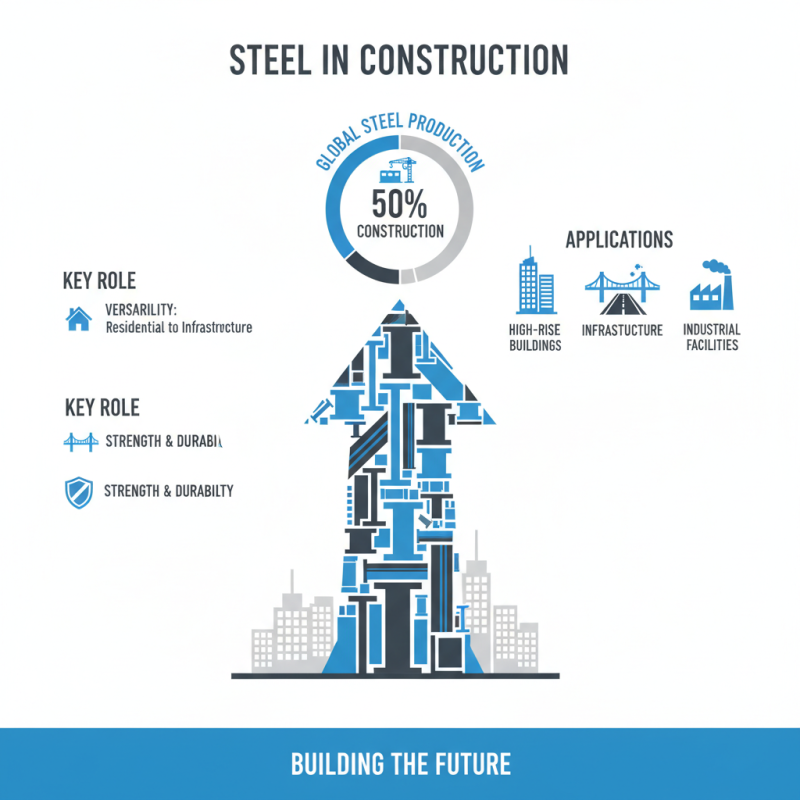
Steel profiles play a crucial role in construction projects. From residential buildings to infrastructural giants, steel shapes are everywhere. According to a report by the World Steel Association, steel consumption in construction accounts for approximately 50% of global production. This highlights its significance and varied applications.
In residential projects, steel profiles are vital for framing. They offer strength and resilience, ensuring structures withstand environmental impacts. For instance, I-beams are widely used in beam construction, providing support while minimizing material use. However, some builders overlook the proper sizing of these steel profiles, potentially compromising structural integrity.
Commercial buildings often use hollow sections for columns and beams. These profiles provide aesthetic appeal while maintaining strength. A study indicated that using hollow sections can reduce overall weight by up to 30%. In bridges, steel profiles need careful consideration. If not sized correctly, they may fail under stress. The challenges in selecting steel profiles show that while steel is durable, precision is essential to avoid costly mistakes.
Comparative Analysis of Steel Profiles by Strength and Cost
When it comes to construction projects, choosing the right steel profile is essential. Different profiles offer various strengths and costs. For instance, I-beams provide excellent load-bearing capacity. They are widely used in buildings and bridges. However, their cost can be higher than other options. C-channels are lighter and more affordable but may lack the same strength.
The choice often depends on project specifications. Sometimes, a cheaper profile might not perform well under stress. This could lead to structural issues later on. Research shows that projects using adequate profiles tend to have fewer construction delays. Though I-beams are robust, they may not be suitable for every building. Balancing strength with cost is crucial.
Ultimately, the decision should reflect the project’s needs. Engineers often face dilemmas when selecting profiles. It’s common to reconsider choices based on ongoing assessments. Sometimes, materials that seemed ideal initially may underperform during actual use. It's vital to analyze both immediate costs and long-term implications carefully.
Future Trends in Steel Profile Design and Usage in Construction
The landscape of steel profile design in construction is evolving rapidly. New technologies and innovative materials are shaping the future. Architects and engineers are exploring options that improve strength while reducing weight. These advancements lead to more efficient structures and lower costs.
Sustainability is becoming a key focus. Steel recycling is gaining traction in construction projects. Designers are incorporating recycled materials into new profiles, which is a positive shift. However, challenges remain. Balancing durability with eco-friendliness can be tricky. Teams need to address structural integrity alongside environmental concerns.
Modular design is another trend to watch. Prefabricated steel profiles can speed up construction. They also minimize waste on site. Yet, standardization can limit creativity. Designers must find ways to innovate within these constraints. This tension between standard and bespoke solutions requires careful thought.
The future of steel profile usage is promising, but it demands ongoing reflection and adaptation.