Understanding the Benefits of Hot Rolled Steel Sheet in Modern Construction
In modern construction, the significance of materials like Hot Rolled Steel Sheet cannot be overstated, as it serves as a cornerstone for structural integrity and design versatility.
According to a report by the World Steel Association, the global demand for hot-rolled products is projected to reach 1.5 billion tonnes by 2025, highlighting its critical role in diverse applications, from residential buildings to large-scale infrastructure projects.
Hot Rolled Steel Sheet offers advantages such as enhanced strength, improved weldability, and cost-effectiveness, making it a preferred choice among engineers and architects.
The adaptability of this material allows for various finishes and shapes, catering to the growing trend of sustainable construction practices.
As the construction industry continues to evolve, understanding the benefits and applications of Hot Rolled Steel Sheet is essential for stakeholders aiming to leverage its properties for innovative and durable building solutions.
Benefits of Hot Rolled Steel Sheet in Structural Integrity and Design Flexibility
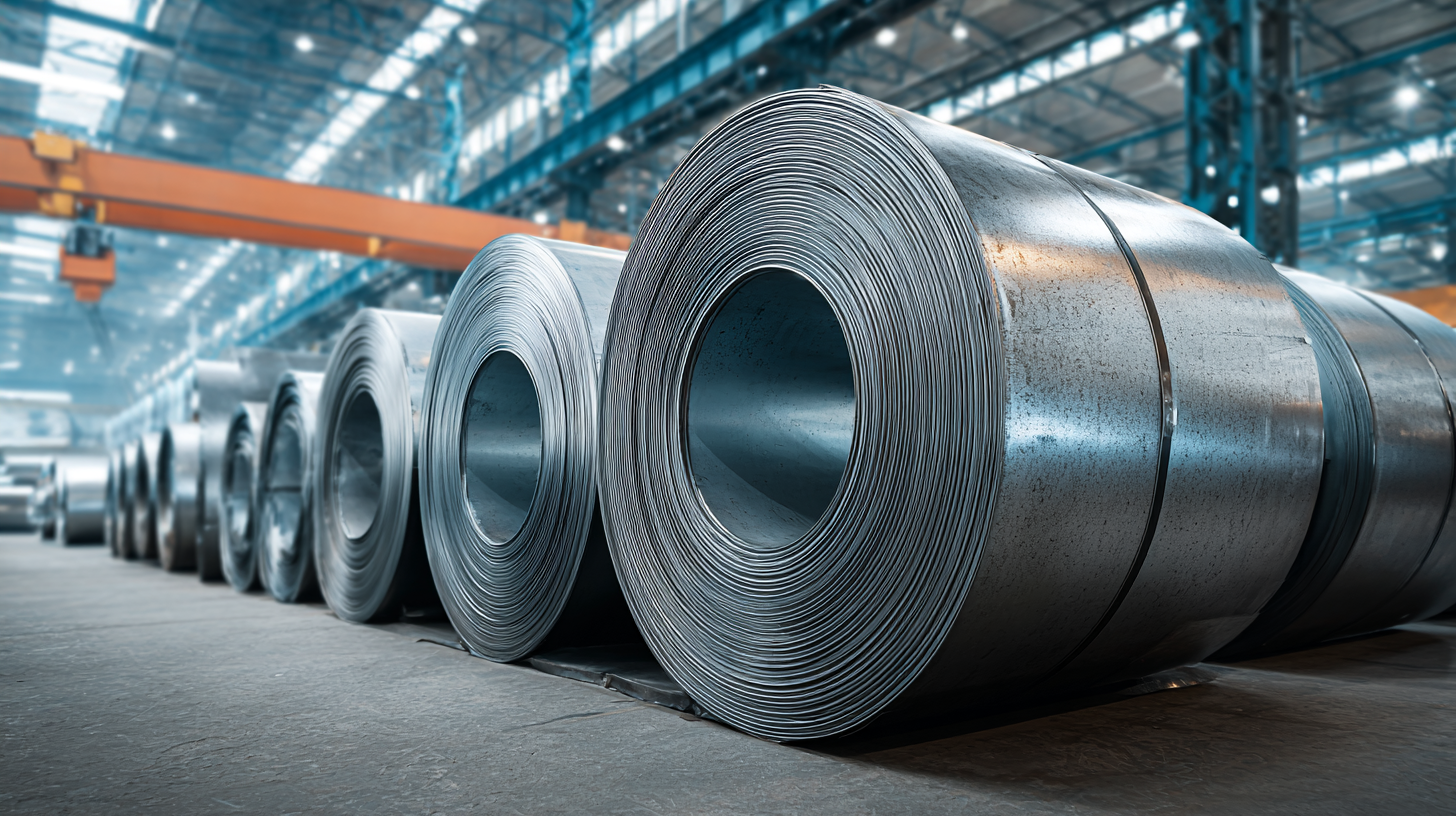 Hot rolled steel sheets play a crucial role in modern construction, particularly in enhancing structural integrity and design flexibility. The manufacturing process involves rolling the steel at high temperatures, which not only improves its workability but also results in a more uniform and robust material. This makes hot rolled steel sheets exceptionally strong, allowing them to withstand significant loads and stresses. As a result, they are often used in large-scale structures such as bridges, buildings, and industrial facilities, where reliability is paramount.
In addition to their strength, hot rolled steel sheets offer remarkable design flexibility. Architects and engineers appreciate the ability to easily shape and manipulate these sheets to create innovative structures that meet specific aesthetic and functional requirements. The malleability of hot rolled steel allows for the production of complex shapes and designs without compromising the material's structural integrity. This adaptability opens up a world of possibilities for contemporary architecture, enabling the creation of unique and dynamic spaces that reflect modern design trends while maintaining the necessary safety and durability standards.
Key Advantages of Hot Rolled Steel Sheets in Cost-Effective Construction Solutions
Hot rolled steel sheets are increasingly becoming a key material in modern construction due to their cost-effectiveness and versatility. According to a recent report by the Steel Construction Institute, hot rolled steel offers a lower unit cost compared to alternative materials, often resulting in savings of up to 20% in construction budgets. These sheets are produced at high temperatures, allowing for easy molding and shaping, making them ideal for a variety of structural applications, from beams to bridge components.
One of the primary advantages of hot rolled steel sheets is their structural integrity. When used in construction, they provide excellent strength-to-weight ratios, enabling builders to design safer and more efficient structures. Additionally, these sheets are readily available and can be customized to meet specific project requirements, which reduces lead times significantly. The American Iron and Steel Institute reports that using hot rolled steel can shorten construction schedules by as much as 30%.
**Tips:** Always consider the finishing process of hot rolled steel before purchasing; opting for a protective coating can enhance longevity and reduce maintenance costs. Additionally, collaborating with a supplier experienced in structural steel can optimize your design and further decrease overall expenses.
Understanding the Benefits of Hot Rolled Steel Sheet in Modern Construction
This chart illustrates the key advantages of using hot rolled steel sheets in construction, particularly focusing on cost-effectiveness, durability, and versatility.
Impact of Hot Rolled Steel Sheets on Sustainability and Environmental Considerations
Hot rolled steel sheets have gained significant attention in modern construction, particularly for their impact on sustainability and environmental considerations. The manufacturing process of hot rolled steel is designed to minimize waste, using energy-efficient techniques that reduce the overall carbon footprint. By procuring raw materials through recycled steel, manufacturers can contribute to a circular economy, ensuring that valuable resources are utilized efficiently and responsibly. This practice not only conserves energy but also significantly decreases greenhouse gas emissions associated with steel production.
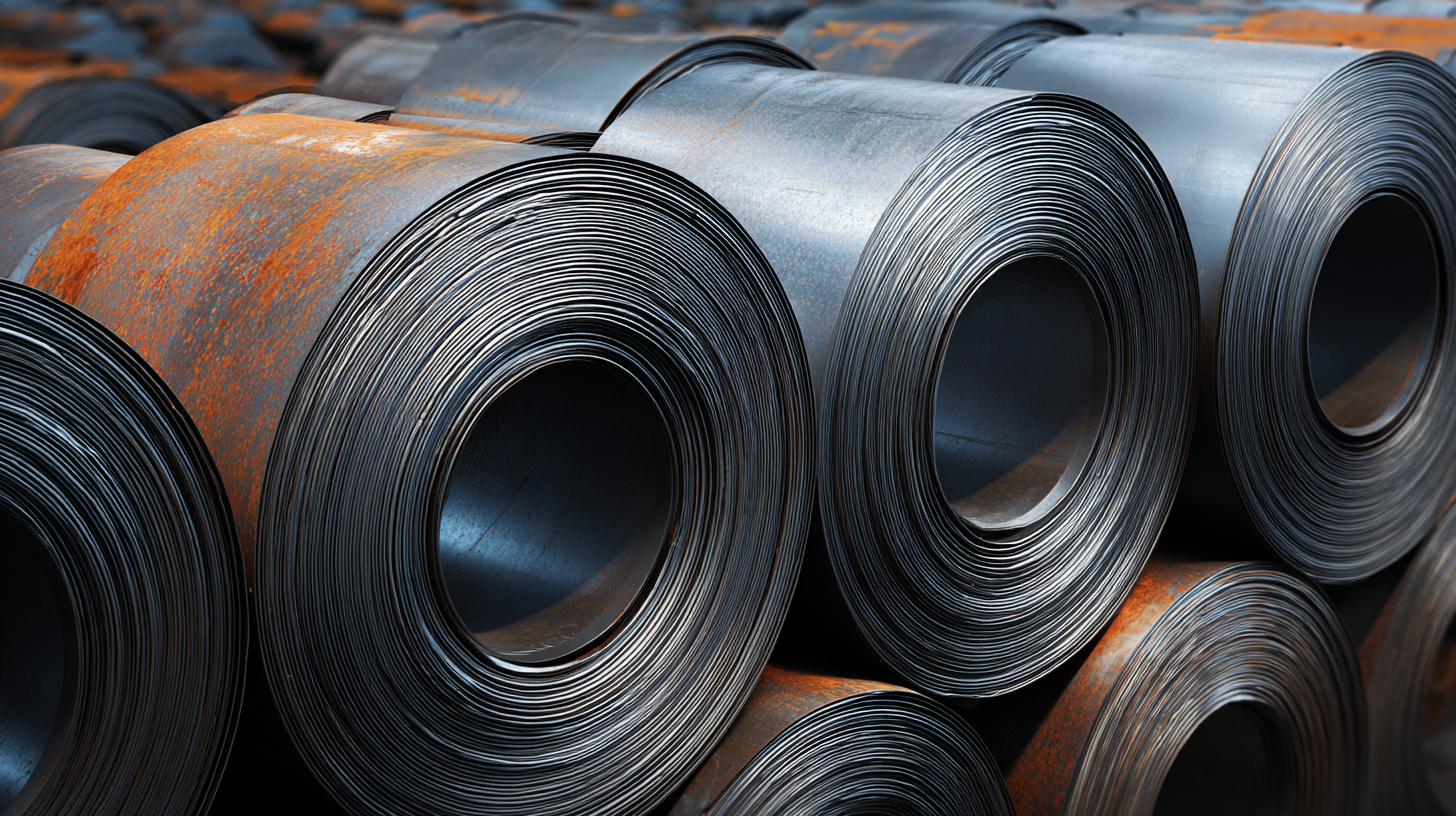
Furthermore, the durability of hot rolled steel sheets enhances their appeal in sustainable construction. As a robust material, it requires less frequent replacement and maintenance over time, resulting in lower resource consumption in the long run. Additionally, when buildings are constructed with hot rolled steel, they can integrate innovative designs that maximize energy efficiency, such as improved insulation and ventilation. This capability helps in reducing operational energy demands, ultimately leading to a decreased environmental impact throughout the lifespan of the building. By choosing hot rolled steel sheets, builders and architects can align their projects with new standards of sustainability and demonstrate a commitment to environmentally responsible construction practices.
Comparative Analysis of Hot Rolled vs. Cold Rolled Steel Sheets in Modern Applications
Hot rolled steel sheets and cold rolled steel sheets are both essential materials in modern construction, each offering unique advantages that cater to various applications. Hot rolled steel is processed at high temperatures, which allows for greater shaping and flexibility during manufacturing. This results in thicker and heavier sections that are often used in structural applications such as steel beams, columns, and plates. On the other hand, cold rolled steel is worked at room temperature, leading to a smoother finish and tighter tolerances, making it ideal for precision components, automotive parts, and appliances.
When deciding between hot rolled and cold rolled steel, consider the specific needs of your project. Hot rolled steel generally comes at a lower cost, making it an economical choice for structural applications where surface finish is not critical. However, for projects that demand higher precision and a superior surface finish, cold rolled steel may be the better option despite its higher price point.
**Tips**: If you're working on a large construction project, opt for hot rolled sheets for bulk structures to save costs. For finishing touches or components where appearance matters, choose cold rolled sheets for their smooth surface. Always assess the mechanical properties and manufacturing process of the steel sheets to ensure they meet your project requirements.
Understanding the Benefits of Hot Rolled Steel Sheet in Modern Construction
| Property |
Hot Rolled Steel Sheet |
Cold Rolled Steel Sheet |
| Manufacturing Process |
Processed at high temperatures above recrystallization point. |
Processed at room temperature. |
| Surface Finish |
Rough, scaled surface. |
Smooth, finished surface. |
| Strength |
Generally lower yield strength. |
Higher yield strength and hardness. |
| Cost |
Typically lower cost due to simpler manufacturing. |
Higher cost due to more complex processes. |
| Applications |
Heavy construction, structural beams. |
Automotive components, appliances. |
| Welding |
Easier to weld due to lower carbon content. |
Welding more challenging due to hardening tendency. |
Industry Trends: Increasing Adoption of Hot Rolled Steel Sheets in Major Construction Projects
The construction industry is witnessing a significant trend towards the increased adoption of hot rolled steel sheets, particularly in major projects. This surge can be attributed to the material's exceptional structural strength, versatility, and cost-effectiveness. Hot rolled steel sheets have proven to be a reliable choice for builders looking to enhance the durability and longevity of their structures. As more developers recognize these advantages, the integration of hot rolled steel is becoming a standard in modern construction practices.
Tips: When selecting hot rolled steel sheets for your next project, consider the specific load requirements and environmental factors that may affect performance. It's also advisable to collaborate with suppliers who can offer insights on the latest advancements in steel technology, ensuring that your choice aligns with industry standards and regulations.
Moreover, as the industry shifts towards sustainability, hot rolled steel sheets stand out for their recyclability and lower energy consumption during production compared to other materials. This makes them not only a practical choice but also an environmentally friendly one. By embracing this material, construction projects can meet both functional and ecological goals, paving the way for a more sustainable future.
Tips: Always seek certifications and compliance reports from your materials provider to guarantee that your hot rolled steel sheets meet current environmental and safety standards. Engaging in continuous education on new material innovations can further enhance project outcomes.