Top 5 Benefits of Using Gi Pipe in Construction with Industry Insights and Trends
The construction industry is increasingly recognizing the value of using
Gi Pipe (galvanized iron pipe) for its versatile applications
and robust performance characteristics. According to a recent report by
MarketsandMarkets, the global
galvanized steel pipes market is projected to reach $5.7 billion by 2024, exhibiting a
CAGR of 6.2% from 2019 to 2024. This growth is fueled by the rising
demand for durable and corrosion-resistant materials that can enhance the longevity of construction projects.
As urban infrastructure continues to expand, the importance of materials like Gi Pipe, known for their strength
and durability, cannot be overstated.
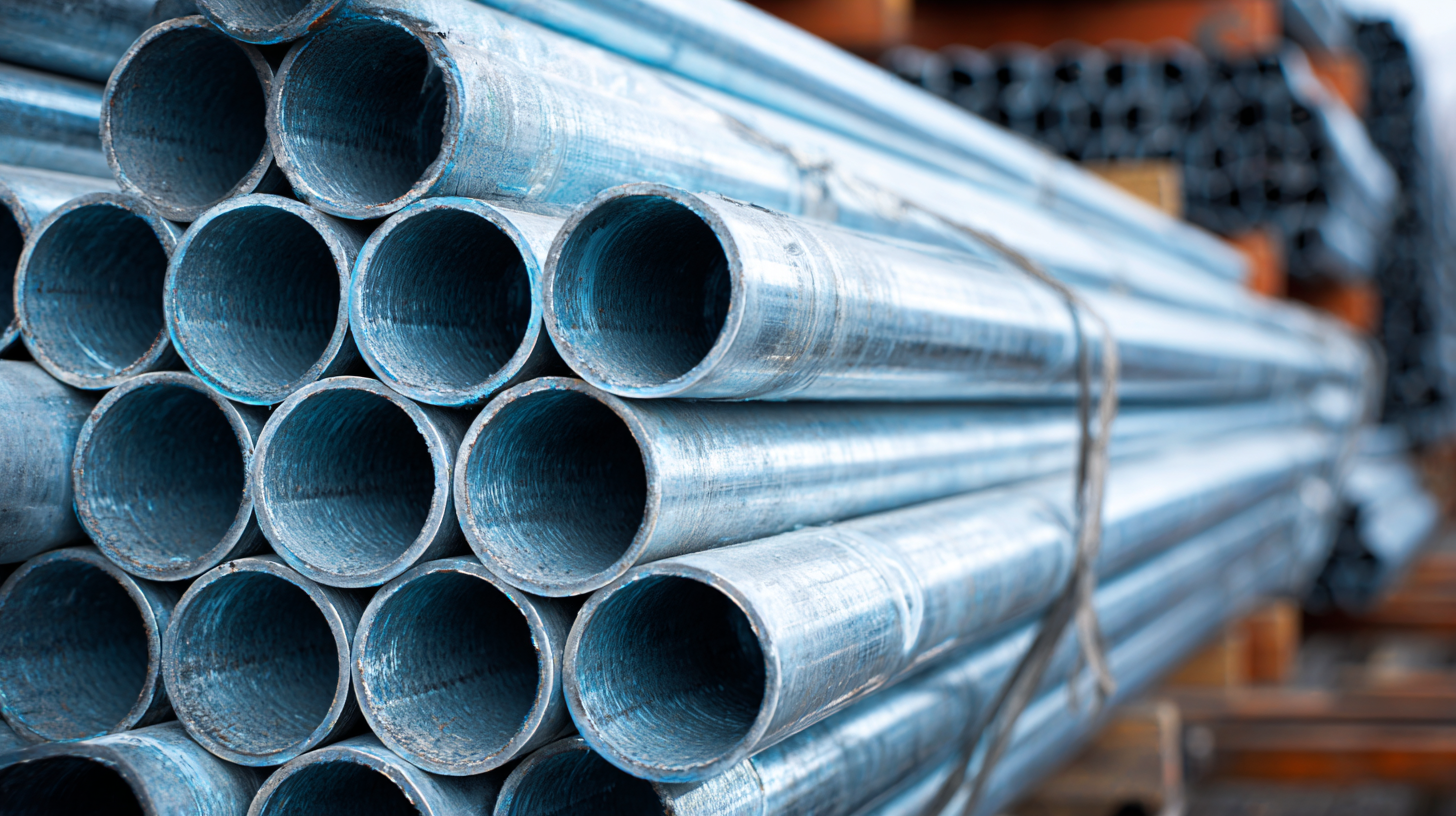
In addition to their physical properties, Gi Pipes also offer economic
advantages. A report by Technavio highlights
that the construction sector's growing focus on sustainable practices and cost-effective solutions prominently
features Gi Pipe due to its recyclability and lower maintenance costs over time. As a result, many construction
professionals are now advocating for the integration of Gi Pipe into their projects to capitalize on these
benefits, ensuring compliance with industry standards while optimizing performance metrics.
In this article, we will delve into the top five benefits of using Gi Pipe in construction, supported by
the latest industry insights and trends.
Benefits of Corrosion Resistance: Why GI Pipes Stand Out in Construction Projects
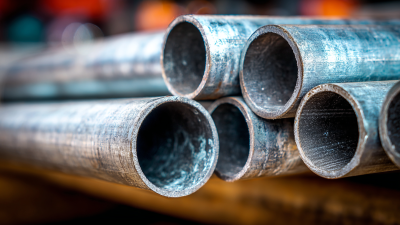
Galvanized Iron (GI) pipes have become a preferred choice in construction projects, largely due to their remarkable corrosion resistance. This characteristic ensures that the pipes can withstand harsh environmental conditions, making them ideal for various applications, including plumbing, drainage, and structural supports. The zinc coating on GI pipes acts as a protective barrier, preventing rust and corrosion, thereby extending the lifespan of the infrastructure they support.
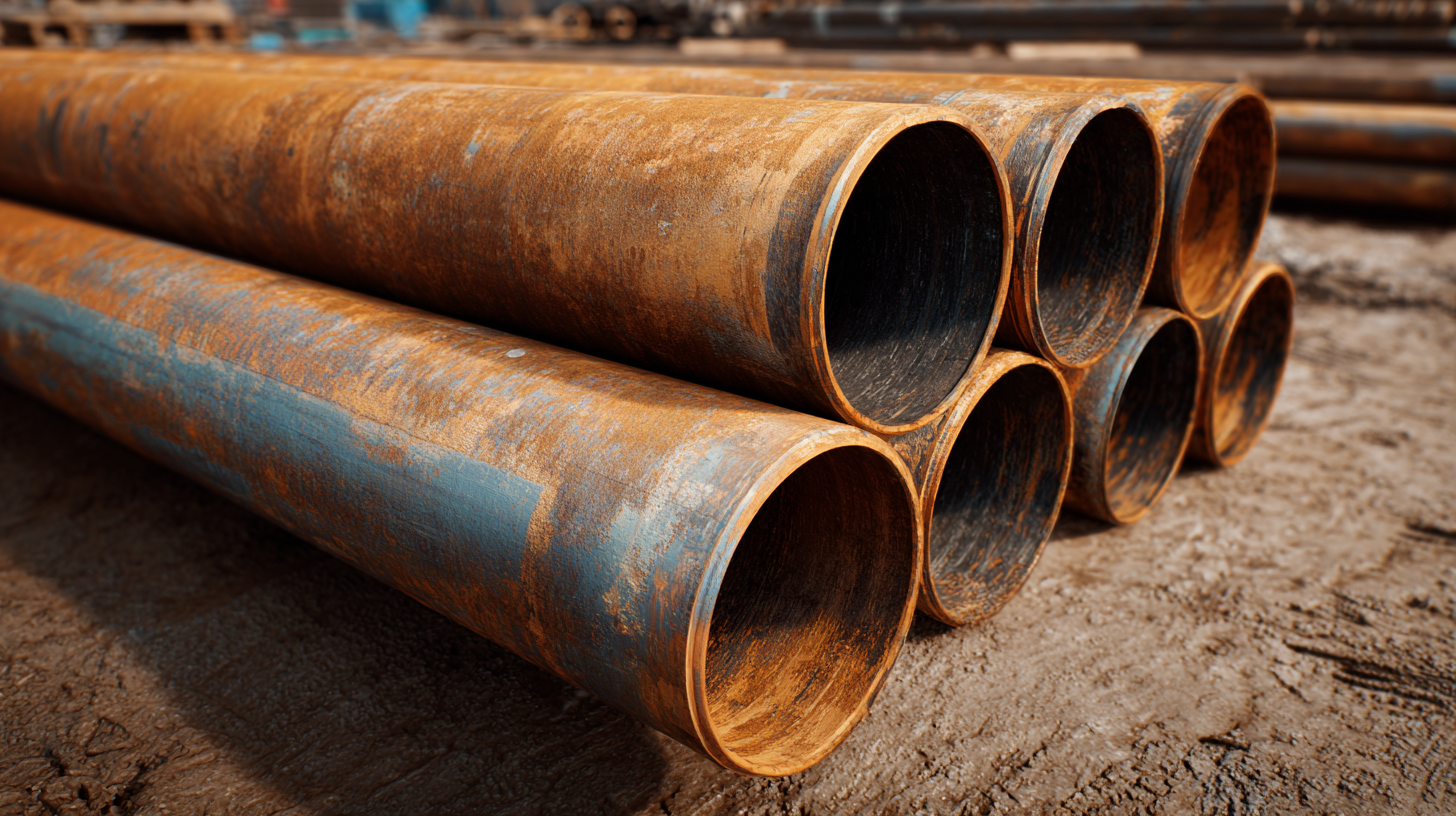
In addition to their durability, the corrosion resistance of GI pipes contributes to reduced maintenance costs over time. Project managers and builders can save significantly on repairs and replacements, making GI pipes an economically advantageous option in the long run. Furthermore, as sustainability gains traction in the construction industry, the longevity of GI pipes aligns with modern trends that prioritize eco-friendly practices. Their ability to resist deterioration not only meets immediate project needs but also promotes sustainable development by minimizing waste associated with frequent replacements.
Cost-Effectiveness of GI Pipes: Long-Term Savings in Construction and Maintenance
Galvanized iron (GI) pipes have gained significant popularity in construction due to their cost-effectiveness and durability. One of the main financial advantages of using GI pipes is their long-term savings in both construction and maintenance. While the initial investment may seem higher compared to other materials, the longevity and resistance to corrosion of GI pipes lead to fewer replacements and repairs over time. This not only reduces the overall expenses associated with piping systems but also minimizes disruptions during construction.
Tip: When considering GI pipes for your project, conduct a life-cycle cost analysis. This approach will help you evaluate the long-term benefits of reduced maintenance and replacement costs against the upfront investment.
Moreover, GI pipes are lightweight and easy to install, which can further lower labor costs during the construction phase. Their ability to withstand various environmental conditions makes them ideal for diverse applications, from residential plumbing to industrial frameworks. As the industry trend moves towards sustainable materials, utilizing GI pipes aligns with both cost-saving measures and environmentally responsible practices.
Tip: Ensure proper sealing and installation techniques to maximize the lifespan of GI pipes. This precaution will reduce potential leaks and the associated costs of repairs down the line.
Sustainability and Environmental Impact: Choosing GI Pipes for a Greener Future
Galvanized iron (GI) pipes are gaining traction in the construction industry, particularly due to their sustainability and low environmental impact. According to a report by the Global Institute for Sustainable Infrastructure, over 30% of global greenhouse gas emissions are attributed to construction activities. This emphasizes the need for materials that are not only durable but also environmentally responsible. GI pipes, due to their long lifespan—often exceeding 50 years—reduce the necessity for frequent replacements, thereby minimizing waste and resource extraction.
Furthermore, the manufacturing process of GI pipes involves recycling scrap steel, which mitigates the demand for new raw materials. The World Steel Association noted that steel recycling conserves up to 74% of the energy required to produce new steel from raw materials. As the industry shifts towards more sustainable practices, utilizing GI pipes can significantly contribute to lowering the overall carbon footprint of construction projects. By choosing GI pipes, builders and contractors can play a crucial role in advancing eco-friendly initiatives, ultimately fostering a greener future.
Top 5 Benefits of Using GI Pipe in Construction - Sustainability and Environmental Impact
| Benefit |
Description |
Sustainability Impact |
Industry Trend |
| Durability |
GI pipes are resistant to corrosion and can last for decades. |
Reduced waste due to long lifespan. |
Increasing demand for durable materials in construction. |
| Cost-effectiveness |
Lower initial costs compared to alternative materials. |
Lower lifetime costs due to reduced maintenance. |
Growth in budget-conscious construction projects. |
| Recyclability |
GI pipes can be recycled at the end of their lifecycle. |
Supports circular economy principles. |
Emphasis on materials with recycling potential. |
| Low Environmental Impact |
Manufacturing processes have lower emissions compared to plastics. |
Reduced carbon footprint in production. |
Shift towards environmentally friendly materials. |
| Versatility |
Suitable for various applications in construction. |
Optimizes resource utilization. |
Increased use of multi-functional materials. |
Ease of Installation: How GI Pipes Enhance Efficiency in Construction Sites
GI pipes, or Galvanized Iron pipes, are increasingly becoming a preferred choice in the construction industry due to their ease of installation, which significantly enhances efficiency on construction sites. According to a report from the International Journal of Advanced Research in Engineering and Technology, the lightweight nature of GI pipes allows for quicker handling and less labor time, which can reduce overall project timelines by up to 20%. This efficiency is critical as construction companies strive to complete projects on time and within budget.
Moreover, the versatility of GI pipes enables them to be used in various applications, including water supply and drainage systems. The report highlights that their corrosion-resistant properties extend their lifespan, thereby minimizing the need for replacements and maintenance. This durability is particularly beneficial in regions with fluctuating climates, as it provides added insulation against heat flow, similar to the benefits seen in properly insulated structures that reduce heating and cooling costs. As trends indicate a growing demand for sustainable and cost-effective building materials, GI pipes are poised to play a vital role in modern construction methodologies, making them a smart choice for both builders and homeowners.
Industry Trends: The Future of GI Pipe Usage in Modern Construction Practices
As the construction industry evolves, the use of Galvanized Iron (GI) pipes continues to gain momentum due to their durability and resistance to corrosion. Industry trends indicate a growing preference for GI pipes in both residential and commercial projects. This shift is driven by environmental considerations and the need for sustainable building materials. With rising awareness of the long-term cost savings associated with GI pipes, more architects and builders are specifying them in their designs to enhance structural integrity.
When considering GI pipes for your construction projects, keep in mind the importance of proper installation. Misalignment or inadequate jointing can lead to leaks, compromising the overall effectiveness of the system. Additionally, ensure that the pipes are sourced from reputable suppliers to guarantee quality and compliance with industry standards.
As we look to the future, innovations in coating technologies and pipe manufacturing processes are expected to further boost the appeal of GI pipes. This will not only enhance their longevity but also improve their performance in diverse environmental conditions. Adopting these advancements will position projects for success in an ever-competitive market, allowing construction professionals to meet the increasing demand for efficient and reliable plumbing systems.